
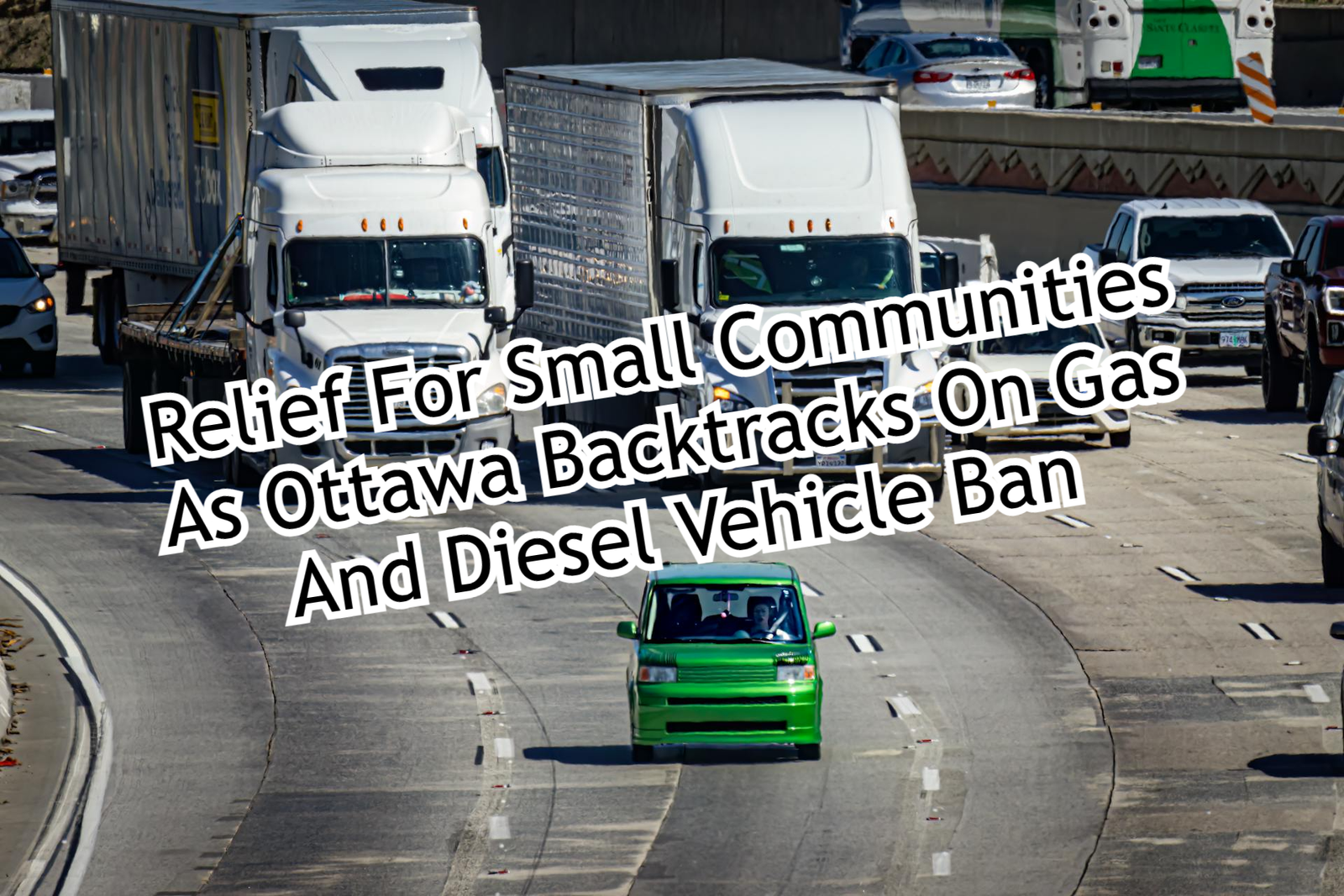
The federal government has backed away from its plan to ban the sale of new gas and diesel vehicles by 2035, a reversal that advocates say is a win for everyday Canadians — including families and drivers in communities like Sayward. But critics caution that the shift may be more cosmetic than substantive, with new regulations and taxpayer costs still looming.
Until recently, Ottawa intended to phase out all new gasoline and diesel vehicle sales within the next decade and a half as part of its broader emissions‑reduction strategy. The policy relied on steadily increasing electric‑vehicle sales targets for automakers. However, growing concerns about affordability, vehicle choice, and the realities of rural life prompted the government to reconsider.
Federal officials now say the outright ban is off the table. Instead, the government will pursue a different regulatory approach that still pushes for higher electric‑vehicle adoption but stops short of prohibiting new gas‑powered vehicles. Automakers will be required to gradually increase the share of zero‑emission vehicles in their overall sales.
For residents of Sayward — where dependable gas‑powered trucks and SUVs are essential for work, travel, and daily life — the change has been welcomed. Unlike major cities with dense charging networks, rural Vancouver Island and coastal communities often lack the infrastructure needed to support widespread EV use. Long distances between services, steep terrain, and limited charging options make electric vehicles impractical for many families, tradespeople, and small businesses.
Critics of the original ban also highlight the significant taxpayer costs tied to the EV transition. Ottawa has already committed billions to EV purchase subsidies and incentives for battery and automotive manufacturing. Opponents argue that these subsidies — along with the cost of new charging stations and electrical‑grid upgrades — could lead to higher taxes or divert funding away from priorities that matter to rural communities, such as health care, schools, and local roads.
While dropping the ban is seen as a response to public pressure, some Sayward residents worry the new regulatory framework still nudges Canadians toward electric vehicles without addressing the affordability and infrastructure challenges many households face. They argue Canadians should be free to choose vehicles that meet their needs without being steered toward expensive alternatives that may not suit rural conditions.
Local voices also stress that federal policy must reflect the realities of small and remote communities, where access to affordable, reliable transportation remains essential. Without realistic timelines and support for a range of technologies, they warn, well‑intentioned climate policies could unintentionally burden families already coping with high living costs, rising interest rates, and limited local services.
As debates continue in Ottawa over how to balance environmental goals with economic realities, residents in Sayward and across rural British Columbia will be watching closely to see whether future policies truly reflect the needs of all Canadians — not just those living in major urban centres.