
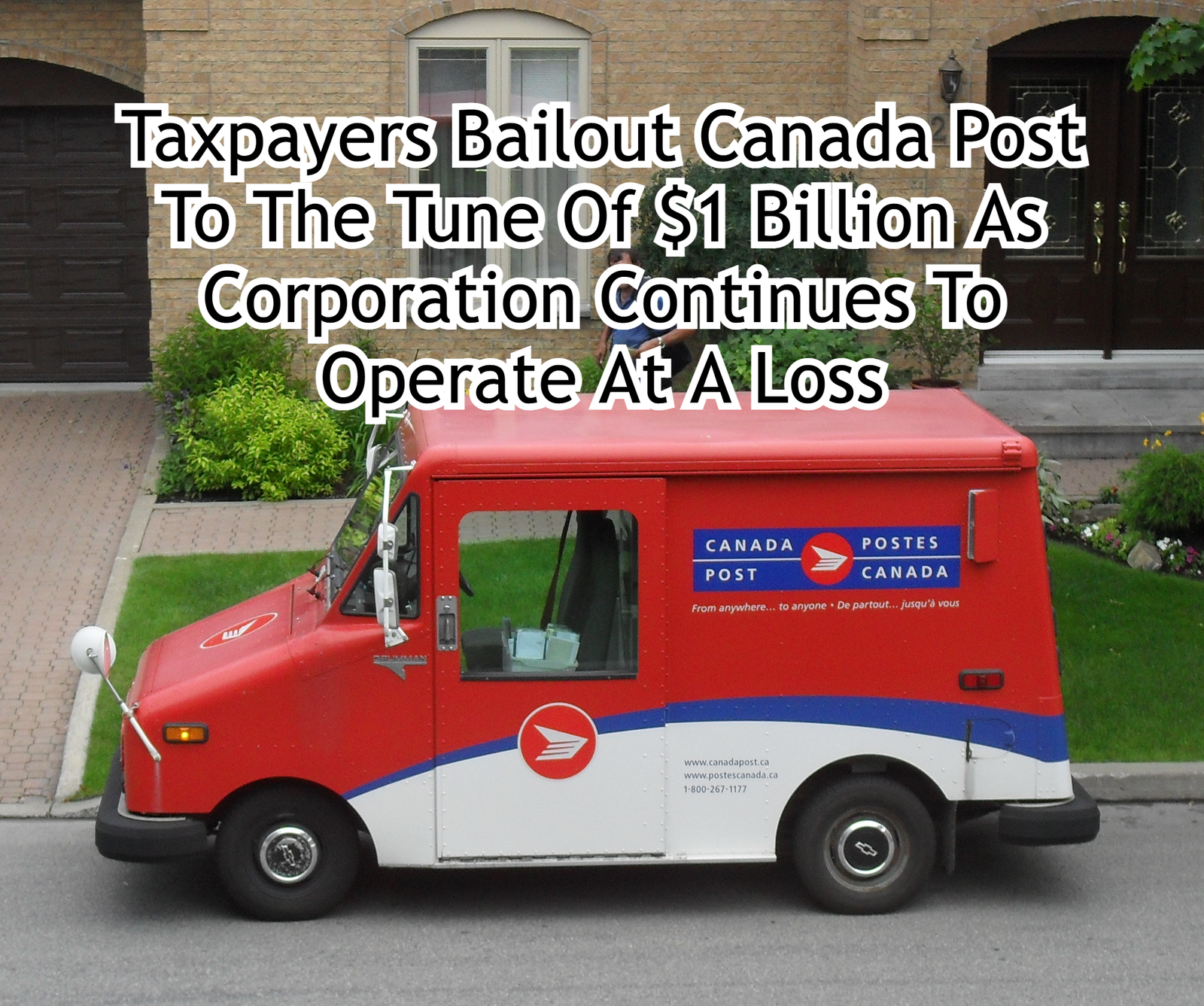
The federal government has approved another $1 billion in financial support for Canada Post, raising fresh concerns among taxpayers about the long‑term sustainability of the Crown corporation and the future of mail service in rural communities.
The new funding comes as Canada Post continues to post significant operating losses, driven by declining letter‑mail volumes, rising labour costs, and growing competition in the parcel‑delivery market. Despite repeated injections of public money, critics argue the corporation remains effectively insolvent and still lacks a credible plan to return to financial stability.
For communities like Sayward, the issue goes beyond balance sheets. Canada Post remains an essential service, especially for seniors, small businesses, and residents who rely on the mail. Some worry that continued financial losses could eventually lead to reduced service, higher postage rates, or fewer delivery days — changes that would disproportionately affect rural communities.
Growing Concerns Among Taxpayers
Taxpayer advocates say repeated bailouts place an unfair burden on Canadians already facing drastically rising living costs. They note that Ottawa has committed billions to Canada Post in recent years, with little sign that structural reforms are being made to address the corporation’s underlying profitability challenges.
Critics argue that while private couriers have adapted to changing consumer habits, Canada Post remains constrained by outdated delivery models, rigid labour agreements, and a mandate to provide uniform service across a vast country — even as traditional letter mail continues to decline.
“Throwing more money at the problem doesn’t fix it,” is a sentiment increasingly echoed by taxpayers who question how long Ottawa can continue funding losses without demanding meaningful change.
What This Means for Sayward
In Sayward, where there is only one alternative courier and delivery service, residents still expect reliable mail service.
At the same time, residents question why billions in federal funding are being directed to a struggling Crown corporation while other rural infrastructure needs — such as roads, health services, and emergency response — remain underfunded.
Calls for Reform, Not Just More Funding
Many critics argue the latest bailout should come with firm conditions. Proposed reforms include modernizing delivery schedules, rethinking door‑to‑door service in urban areas, renegotiating labour agreements, and giving Canada Post more flexibility to compete in the parcel market.
Others say Ottawa must clearly define Canada Post’s role: is it a commercial operation expected to break even, or a public service that should be transparently funded as such — without pretending it can operate profitably under current conditions?
Looking Ahead
For Sayward residents, the concern is straightforward: continued bailouts without reform risk leaving both taxpayers and rural communities worse off. If Canada Post’s finances keep deteriorating, future governments may be forced to make abrupt decisions that could disrupt service in the places that rely on it most.
As Ottawa signs off on yet another billion dollars, taxpayers will be watching closely to see whether this funding sparks real reform — or simply delays the tough choices needed to secure the future of Canada Post.