
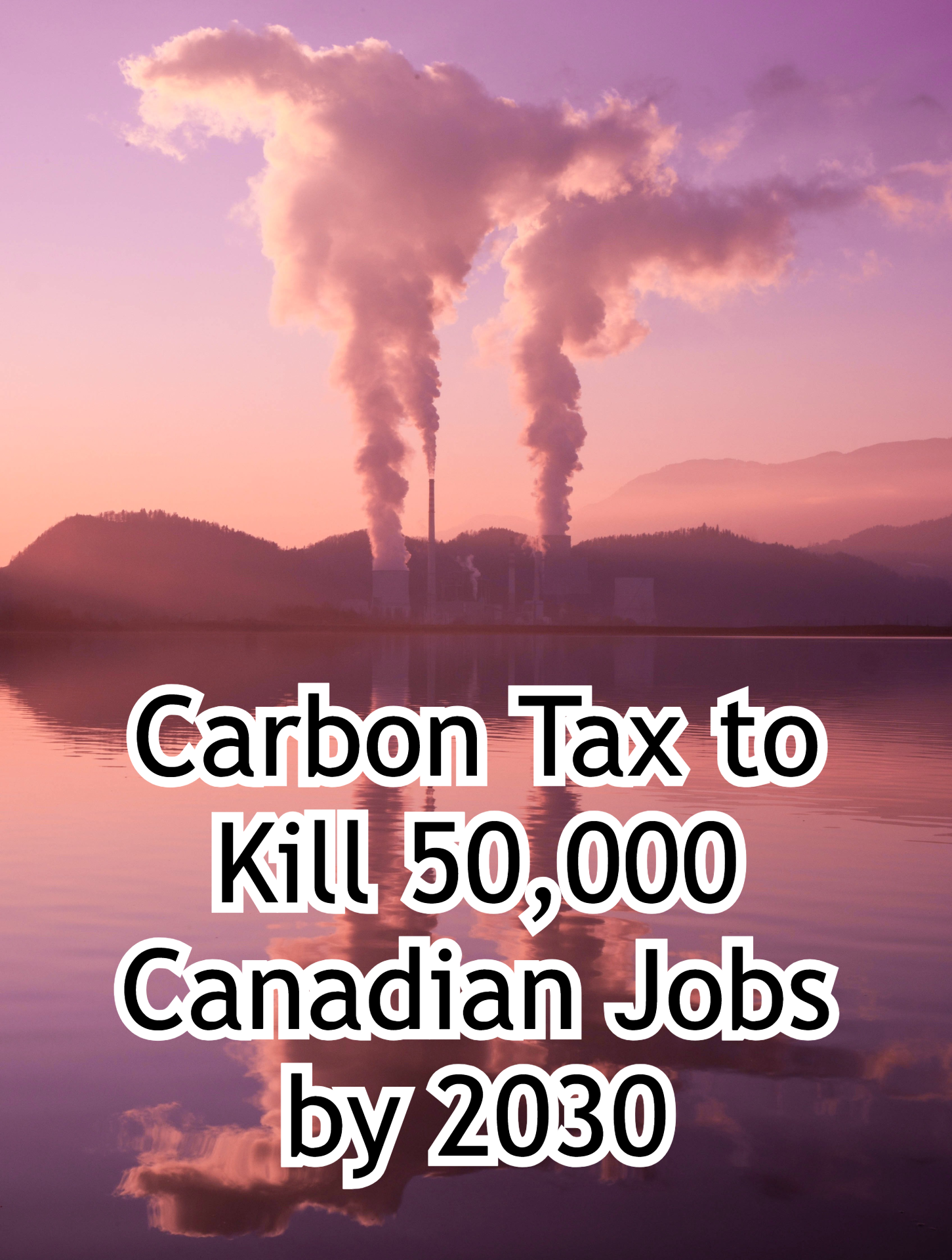
According to estimates from the Fraser Institute, a planned increase to industrial carbon pricing — reaching $170 per tonne by 2030 — could result in an average loss of about $1,160 in annual income per Canadian and a reduction of roughly 50,000 jobs nationwide.
These projections reflect potential economic impacts such as lower wages, reduced employment, and higher production costs across key industries.
While the federal government has moved away from the consumer-facing carbon tax — the version that appeared directly on household energy bills — carbon pricing still applies at the industrial level. This means sectors like manufacturing, transportation, and agriculture continue to face rising costs tied to emissions.
Critics argue that these costs are ultimately passed down to consumers through higher prices for goods and services, including food, housing, and energy. Without a visible line item on bills, they say, it becomes more difficult for Canadians to directly link price increases to carbon pricing policies.
Prime Minister Mark Carney and the Liberal government have defended carbon pricing as a key tool for reducing emissions and addressing climate change. However, opponents contend that shifting the tax “upstream” makes its economic effects less transparent.
Some also argue that when rising costs are attributed to factors like global supply chain disruptions, corporate pricing, or international trade pressures, the role of domestic policy can be overlooked.
For example, Liberal figures such as Nathalie Provost have pointed to external pressures like tariffs when discussing higher grocery prices, which critics see as downplaying the impact of carbon pricing embedded throughout the supply chain.
Supporters of the current system maintain that carbon pricing is necessary to incentivize emissions reductions and that broader economic factors also contribute to inflation. Critics, on the other hand, believe the policy places an undue burden on Canadians by increasing costs in less visible ways.
At the center of the debate is a key question: how much of the rising cost of living can be attributed to carbon pricing — and how transparent should those costs be to the public?