
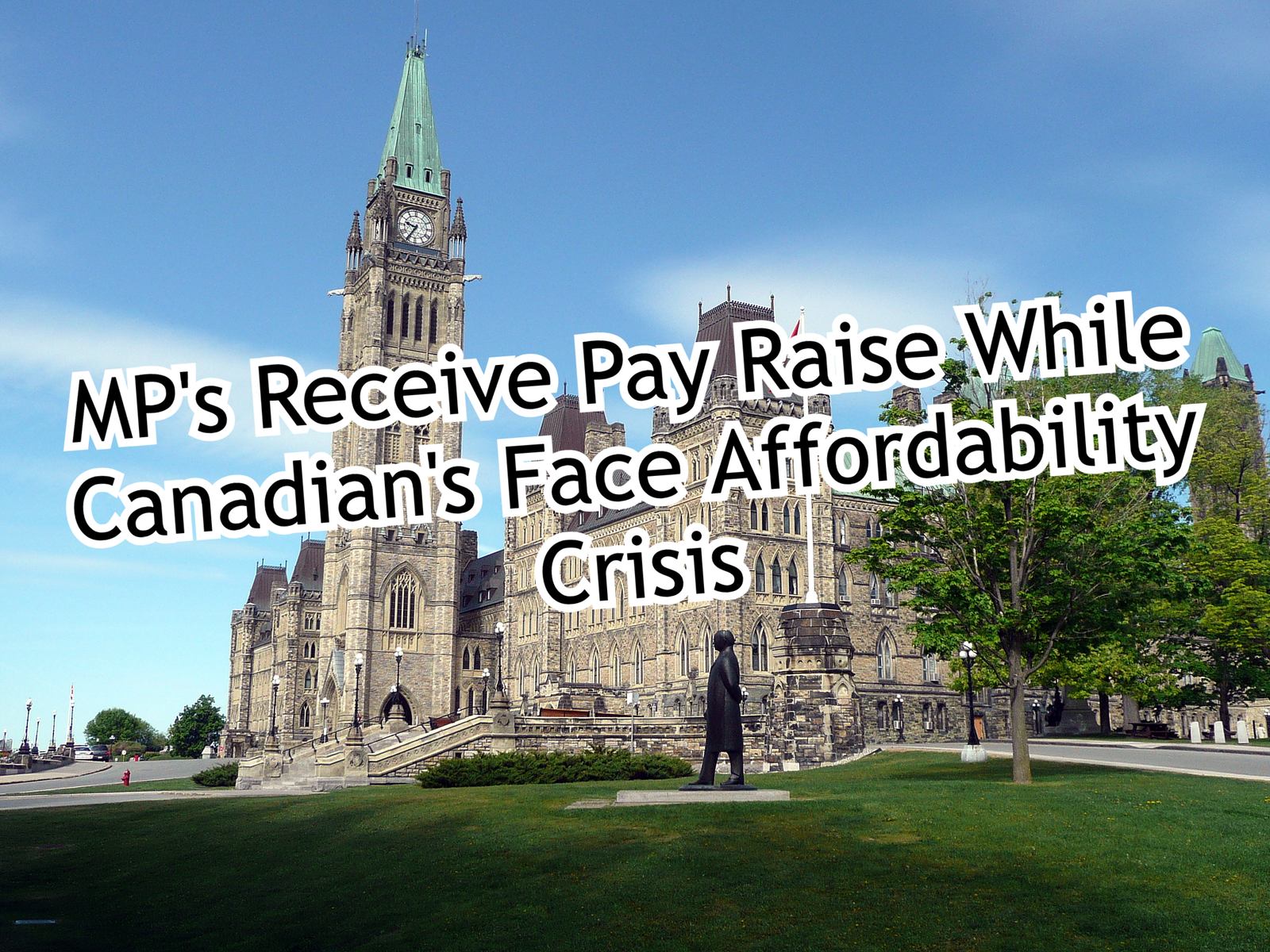
Federal Members of Parliament are poised to receive another significant pay increase this year, a move drawing renewed criticism as many Canadians continue to grapple with soaring living costs, housing pressures, and rising taxes.
Under an automatic formula that links parliamentary salaries to private‑sector wage growth, MPs are set to receive a raise on April 1. The increase—expected to be just over four per cent—will add thousands of dollars to incomes that already sit well above the national average.
If implemented, the adjustment would boost a backbench MP’s annual salary by nearly $9,000, bringing total compensation to more than $218,000. Cabinet ministers would see an increase of roughly $13,000, raising their pay to about $323,000. The prime minister’s salary would climb by approximately $17,600, surpassing $437,000.
Critics argue that the automatic nature of these raises shields politicians from accountability at a time when many workers have watched their wages stagnate or fall behind inflation. While MPs receive guaranteed increases, millions of Canadians are cutting back on essentials, facing higher grocery prices, escalating rent or mortgage payments, and increased taxes and fees.
Advocacy groups are urging MPs to reject the raise, saying elected officials should show leadership and restraint. They note that MPs already earn far more than the typical Canadian household and enjoy generous pensions and benefits unavailable to most workers.
Public opposition to parliamentary pay hikes has remained strong. Polls consistently show that a large majority of Canadians oppose raises for MPs, especially during periods of economic uncertainty. Critics warn that the disconnect between political compensation and public sentiment fuels cynicism and erodes trust in federal institutions.
Although MPs have the power to vote to freeze their salaries, few have supported doing so in recent years. Parliament did suspend automatic increases between 2010 and 2013 during a period of fiscal restraint, demonstrating that a freeze is possible when economic conditions warrant it.
With the April 1 adjustment approaching, pressure is mounting on MPs to clarify whether they will accept the raise or act to block it. For many Canadians, the debate is about more than pay—it’s about whether their elected representatives understand the financial realities facing the people they serve.