
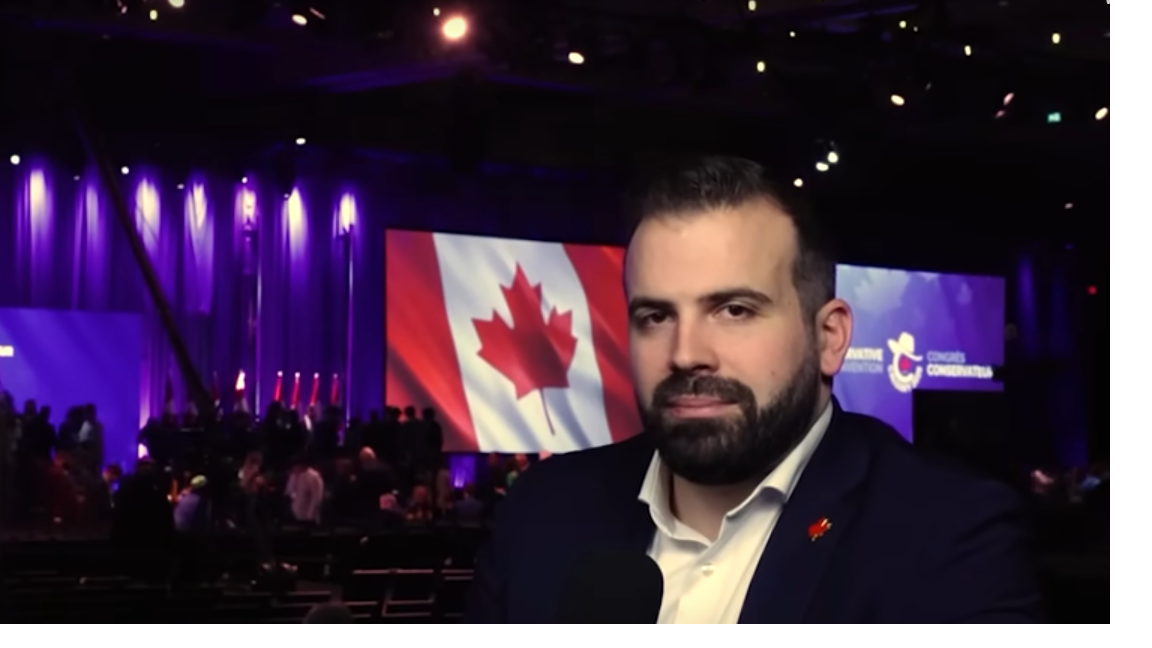
Private property rights have become a major point of debate in British Columbia, and North Island–Powell River MP Aaron Gunn has taken a firm stance, arguing that Canadians should never compromise on the fundamental right to own and use land.
Speaking at a political convention, Gunn pointed to growing concerns among homeowners, farmers, and rural residents — including those in and around Sayward — about uncertainty surrounding land ownership and legal title following recent disputes and court rulings in the province.
Gunn warned that weakening private property protections would undermine confidence for both Canadians and investors. “If you start compromising private property rights, who in their right mind is going to invest a cent in Canada?” he said, adding that landowner protections should be non‑negotiable and, if necessary, explicitly entrenched in the Constitution.
His comments come in the wake of a landmark B.C. Supreme Court decision last year recognizing Aboriginal title over a parcel of land in Richmond — the first time a Canadian court has made such a declaration over urban land traditionally held by Indigenous peoples. The ruling affirmed that Aboriginal title can co‑exist with private land ownership, but it has also sparked legal appeals and widespread debate. Critics say the decision introduces uncertainty into the land title system and could influence future property transactions. The ripple effects have been felt far beyond Richmond, with homeowners, industry groups, and governments seeking clarity on how private property rights intersect with Aboriginal title.
For many residents in Sayward and other rural communities, the issue resonates deeply. Land — whether a family farm, a forest lot, or a home — is more than an asset; it represents livelihood, security, and heritage. Concerns about legal ambiguity have prompted calls from some locals and political leaders to strengthen protections so families can feel confident in their investments and long‑term plans.
Not everyone views the legal developments as a threat. Some argue the ruling does not strip private landowners of their rights but instead requires thoughtful negotiation and reconciliation where different rights overlap. Others note that Indigenous title claims are complex and that fair, durable solutions can respect both historic rights and modern property ownership.
By publicly defending stronger property protections, MP Gunn has aligned himself with those seeking firmer legal assurances for landowners across British Columbia — a message likely to resonate with homeowners, small business operators, and rural residents who see secure property rights as essential to economic stability and community growth.
As legal challenges and political debates continue in Victoria and Ottawa, the issue of land rights and property security is expected to remain front and centre, shaping discussions from the Fraser Valley to Vancouver Island.