
10 Things To Consider Before Starting A Category 2 Open Fire

As fall approaches, residents of rural areas might consider using fire to clear woody debris from their properties. This practice is known as Category 2 open burning. While it can be an effective method, it’s essential to burn responsibly. Here are some safety tips:

  1. Check Fire Bans
    Visit the Fire Bans and Restrictions website to ensure there are no prohibitions in your area.
  2. Local Regulations
    Confirm with your local government that this type of burning is permitted.
  3. Weather Considerations
    If it’s windy on the day you plan to burn, postpone the activity.
  4. Create a Fuel Break
    Clear all combustible material around the burn area to establish a safe fuel break.
  5. Have Safety Tools Ready:
    Keep at least one fire suppression tool and sufficient water nearby to control any potential spread.
  6. Never Leave Unattended
    Always monitor the fire; never leave it unattended, even for a moment.
  7. Report Escapes
    If the fire goes beyond your control, report it immediately.
  8. Extinguish Completely
    Before leaving the area, ensure the fire is fully out and the ashes are cool to the touch.
  9. Fire Size Limits
    You can have up to two fires burning at the same time, with each fire not exceeding 2 meters high by 3 meters wide.
  10. Field Clearing
    If burning stubble or grass, the area must not exceed 2,000 square meters (0.2 hectares).

Remember, if your fire escapes and leads to a wildfire, you could face fines up to $1 million, a potential jail sentence of up to 3 year and be liable for all firefighting costs.

Find more information on open burning here.
Tips To Keep Safe During A Power Outage

We’ve all experienced power outages, and they can be incredibly frustrating. Even a brief five-minute blackout can feel like an eternity, especially without internet or lights, not to mention the worry about food spoiling in the fridge.

Since outages can occur at any time of year, it’s wise to prepare ahead. Creating an emergency plan and having a kit ready ensures you know how to communicate with loved ones and provides essentials like a flashlight to navigate in the dark.

Given the frequency of power outages and our reliance on electricity, let’s build on your emergency plan by addressing some common safety questions.


If You See a Downed Power Line

Stay clear and call 9-1-1 immediately. Downed power lines are extremely dangerous and should be treated as emergencies. Keep a distance of at least 10 meters (about the length of a city bus) until help arrives, and never attempt to touch or move a fallen line.


Keep Your Fridge and Freezer Closed

Resist the urge to open the fridge for midnight snacks! Keeping the doors closed can keep food in a full fridge cold for about four hours, while a full freezer can preserve frozen food for up to 48 hours. If you anticipate a prolonged outage, consider asking a friend if they can store your food safely until power is restored.


Be Aware of Carbon Monoxide Poisoning

Carbon monoxide (CO) is a colorless, odorless gas that can be dangerous. Never use a gas stovetop or oven for heating during an outage, and avoid using camp stoves, barbecues, or propane/kerosene heaters indoors. Gas-powered generators and grills should always be used outdoors, away from windows. To stay warm, layer your clothing or seek shelter with a friend or family member who has power.


How Long Will the Power Be Out?

The big question! For the most accurate and up-to-date information about outages in your area, check the BC Hydro outage map.

High Streamflow Advisory For North Vancouver Island

A high streamflow advisory is in effect for the North Vancouver Island region due to forecasted rainfall over the coming week. Elevated river levels are expected to persist during this time.

Be aware of increased river flow. Hazardous conditions may be encountered during recreational activities near rivers and streams.
Watch out for potential debris flows during recreational use.

Visit the BC River Forecast Centre for up to date info.

Possible Hepatitis A Exposure At Dairy Queen In Courtenay BC

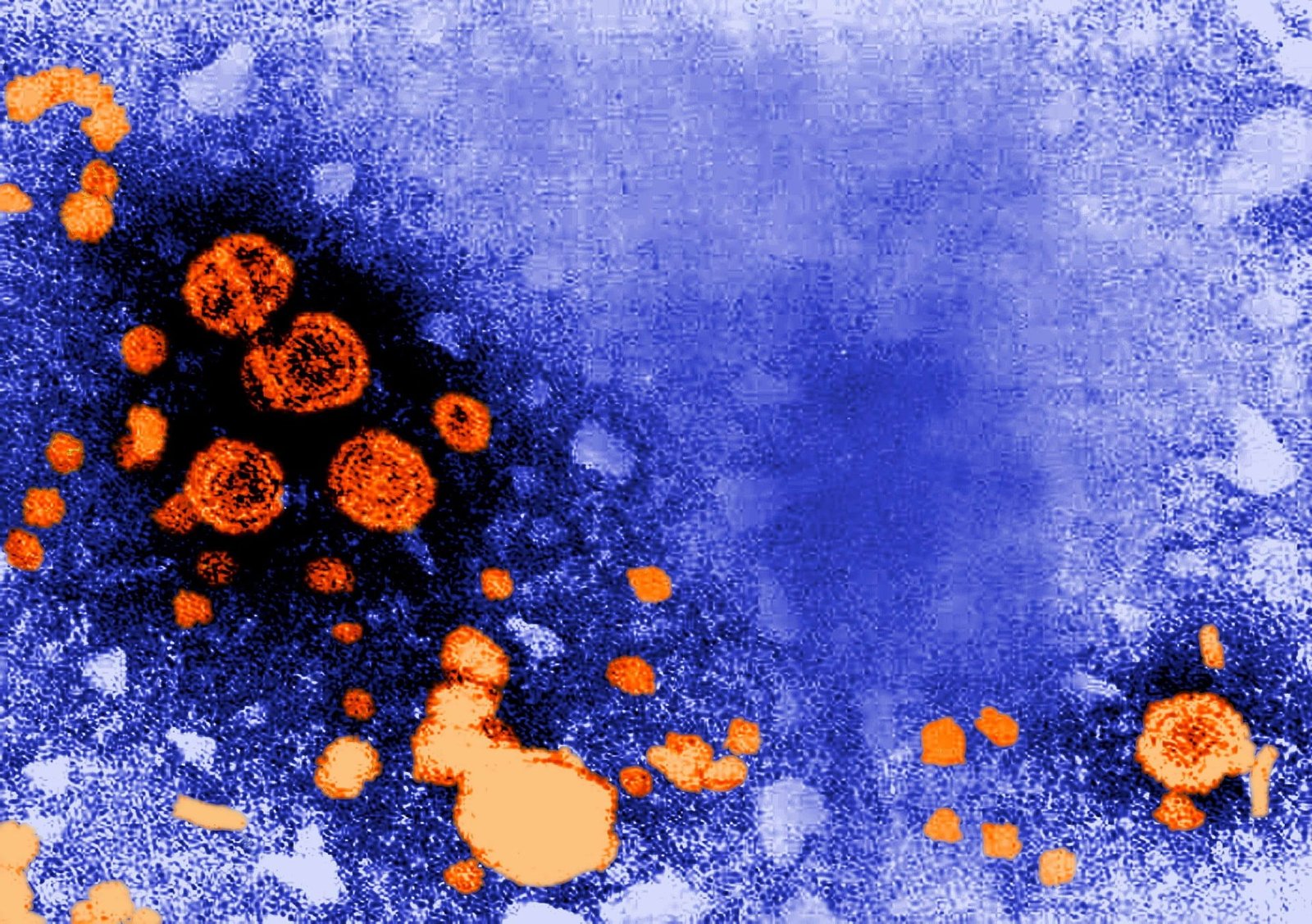
Island Health is alerting patrons who dined at the Dairy Queen Grill and Chill in Courtenay (1030 Cliffe Ave) about a potential exposure to hepatitis A. While the risk of transmission to the public is considered low, Island Health Public Health advises anyone who ate at the restaurant between 5 p.m. and 9 p.m. on September 10, 12, 13, or 14 to get a free hepatitis A vaccine within 14 days of their last visit. Individuals who have previously been infected with hepatitis A or who received two doses of the vaccine before the potential exposure do not need additional immunization.

Hepatitis A

Island Health

“The Risk of Transmission To The Public Is Considered Low”

More information is available here.

MAYA’XALA – Respectful Visitation of Nanwakolas Member Nation Territories

Every square inch of the Nanwakolas member First Nations’ territories is culturally significant, both in terms of their contemporary connections to their lands and waters, and the deep, ancient history embedded within them. Learn more about the importance of cultural and archaeological sites, and best practice in how to show maya’xala – respect – when spending time in the territories.

Sayward Electric Car Charging Station Impacted By New Higher Fees

The electric car charging stations at the Sayward Junction are impacted by new higher fees for electric car users. Operated by BC Hydro, the units have started charging idle fees for cars that remain plugged in after they are fully charged. Users of the BC Hydro app can receive notifications of a full charge, and there is a 5 minute grace period to unplug before accruing additional fees.

For Sayward electric car charger users that do not remain on the property during charging may be shocked to find unexpected fees due to the lack of cell coverage preventing app notifications from getting through.

Learn more at BC Hydro.