Getting To Know The Pacific Blue Whale

A True Ocean Titan

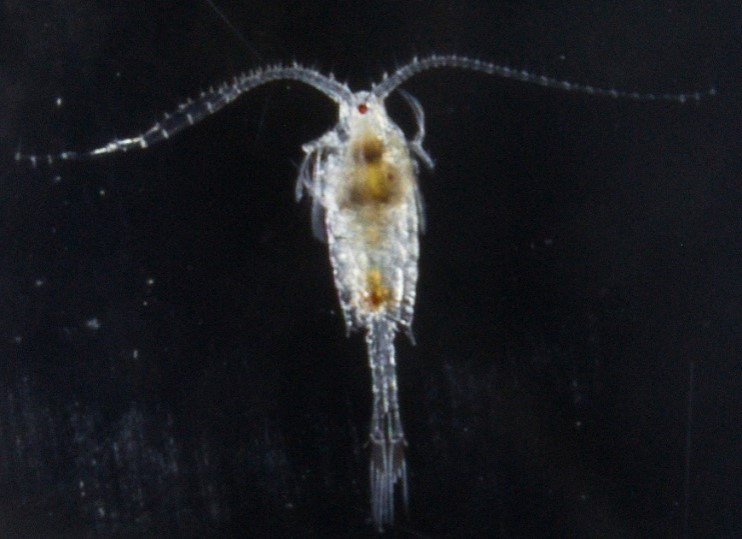
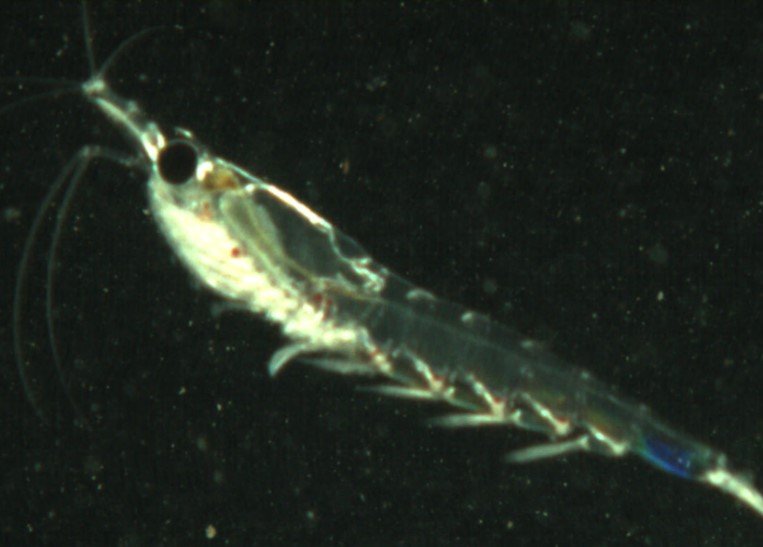
Pacific blue whales can reach an astonishing 30 metres (100 feet) in length and weigh up to 180 tonnes. Their heart is the size of a small car, and their tongue can weigh as much as an elephant. Yet despite their immense size, blue whales survive almost entirely on tiny, shrimp‑like krill.

During feeding season, a single whale can devour up to four tonnes of krill a day using a technique called lunge feeding. The whale surges toward a dense swarm of krill, opens its enormous mouth, and engulfs a massive volume of water and prey before straining the water out through baleen plates.

Life in the Pacific

Pacific blue whales roam widely across the ocean, migrating between cold, nutrient‑rich feeding grounds and warm breeding areas. Along the Pacific coast of North America, they are most commonly seen in summer and fall, following krill blooms created by powerful upwelling currents.

Although they spend most of their lives far offshore, blue whales occasionally pass close to coastal waters — offering rare, unforgettable encounters for mariners and coastal communities.

Built for the Deep

Blue whales are remarkable divers, capable of plunging more than 500 metres in search of food and holding their breath for up to 20 minutes. Their long, streamlined bodies, powerful flukes, and thick blubber make them perfectly adapted for life in the open ocean.

Their voices are equally extraordinary. Blue whales produce some of the loudest, lowest‑frequency sounds of any animal on Earth — calls that can travel hundreds of kilometres underwater. Scientists believe these deep, resonant sounds help whales communicate, navigate, and locate feeding grounds across vast distances.

A Species Once Nearly Lost

Industrial whaling in the 20th century devastated blue whale populations. By the time commercial whaling was banned in the 1960s, their numbers had plummeted by more than 90 percent.

Today, Pacific blue whales are slowly recovering, but they remain endangered. Their population is estimated in the low thousands — still only a fraction of their historic abundance.

Modern Threats

Although whaling has ended, blue whales face new challenges. Ship strikes are a major threat, especially in busy shipping corridors. Entanglement in fishing gear, underwater noise, climate change, and shifting prey availability all pose risks.

Warming oceans may also affect krill populations, potentially altering where and when blue whales can feed. Scientists continue to study these changes to understand how the species will adapt in a rapidly changing ocean.

Why Blue Whales Matter

Blue whales play a vital role in ocean ecosystems. By feeding at depth and releasing nutrients near the surface, they help stimulate plankton growth — supporting the entire marine food web and contributing to carbon cycling.

Their presence signals a healthy ocean. Protecting blue whales means protecting the ecosystems that sustain countless other species, including humans.

A Rare Privilege

Seeing a Pacific blue whale in the wild is an experience that stays with you — the towering blow, the immense blue‑grey back rising from the water, the slow, powerful dive. These moments remind us of the ocean’s vastness and the extraordinary life it holds.

Learning about the Pacific blue whale is more than a lesson in biology. It’s a reminder of our connection to the ocean — and our responsibility to safeguard its greatest giants for generations to come.
Plankton Are Small Aquatic Drifters With A Big Impact

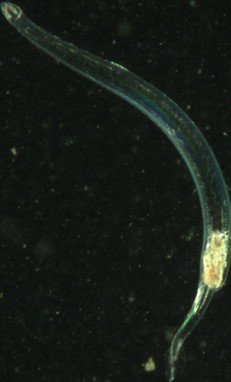
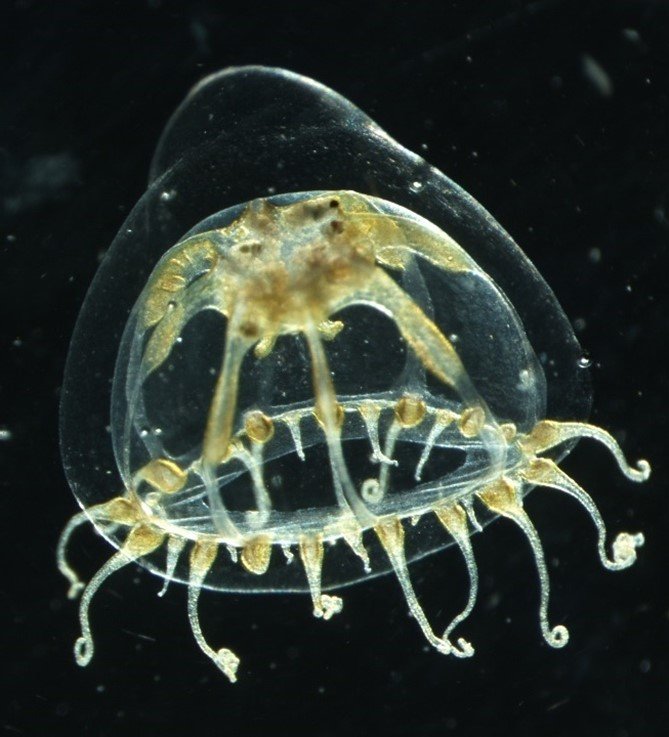
Plankton are an incredibly diverse group of organisms that inhabit oceans, lakes, and rivers. They range from microscopic bacteria and algae to small animals like crustaceans and gelatinous creatures. What unites them is their limited ability to swim against currents, leaving them to drift wherever the water carries them. Some species remain plankton for their entire lives, while others — including many fish and shellfish — are plankton only during their earliest developmental stages.

Despite their minuscule size, plankton are fundamental to life in the Pacific Ocean and the health of aquatic ecosystems.

Keeping Earth Habitable

Phytoplankton, the plant-like members of the plankton community, use sunlight to convert carbon dioxide and water into organic matter and oxygen through photosynthesis. Remarkably, they generate roughly half of the oxygen in Earth’s atmosphere.

They also play a major role in climate regulation. Through the biological pump, phytoplankton help transfer carbon from the atmosphere into the deep ocean, reducing atmospheric carbon dioxide and helping stabilize global temperatures over long timescales.

The Base of Aquatic Food Webs

Plankton sit at the foundation of nearly every aquatic food web. Phytoplankton produce the organic material that nourishes zooplankton, which in turn feed fish, seabirds, and marine mammals.

Countless species — from small fish and shellfish to the largest whales — depend directly or indirectly on plankton for survival. Plankton also support water quality by filtering particles and breaking down organic matter.

Economic Value

Because they underpin aquatic food webs, plankton are vital to pacific fisheries and the coastal communities that depend on them. Some species, such as krill and certain jellyfish, are harvested directly for food, aquaculture, and nutritional supplements.

Over geological time, plankton have even contributed to modern energy resources. The remains of ancient plankton that settled on the seafloor millions of years ago helped form today’s oil and natural gas deposits.

Cultural and Social Importance

Healthy plankton populations enhance recreation, tourism, and cultural experiences. Plankton blooms can influence activities like swimming and boating, while bioluminescent plankton create glowing waters that captivate visitors. Their intricate shapes and patterns have also inspired art, design, and scientific illustration across cultures.

Why Plankton Matter

Often overlooked, plankton are essential to life. They generate oxygen, regulate climate, support marine food webs, sustain economies, and enrich human culture. Protecting aquatic environments means safeguarding plankton — and the countless systems that rely on them.

New Study Points To Cooperation Between Orcas And Dolphins While Feeding

Researchers have documented what appears to be cooperative hunting between northern resident killer whales and Pacific white-sided dolphins off the coast of British Columbia—an interaction not previously confirmed between these two species.

The discovery comes from drone footage, underwater video, and tracking data collected near Vancouver Island. Scientists recorded hundreds of encounters where dolphins and orcas foraged side by side, often diving and moving in unison while searching for Chinook salmon.

During these events, killer whales were seen orienting toward nearby dolphins and following them into deeper waters. Researchers suggest the whales may be taking advantage of the dolphins’ echolocation skills to locate salmon—a prey species too large for dolphins to capture themselves.

Once an orca secured a salmon and tore it into smaller pieces, dolphins frequently fed on the remains. Remarkably, no aggression was observed between the species, despite killer whales being known to prey on dolphins in other regions.

The synchronized movements and repeated interactions point to more than coincidence, hinting at a level of coordination that challenges long-held assumptions about how marine predators interact while feeding.

Scientists propose that the relationship may be mutually beneficial: orcas conserve energy by leveraging dolphin echolocation, while dolphins gain access to a valuable food source and possible protection from being near a top predator.

Still, some experts urge caution, noting that further study is needed to determine whether this represents true cooperation or simply opportunistic feeding by dolphins.

This finding adds to a growing body of evidence that marine mammals display complex, adaptable social behaviours, offering fresh insight into how species may respond to shifting ocean conditions and food availability.

Watch the video here.