Brewster Wind Project Update
Brewster Wind Project Renamed Yəyus Energy As Wei Wai Kai Nation Obtains Majority Stake In Project
A major renewable energy initiative on Vancouver Island is advancing with a new name and a strengthened emphasis on Indigenous leadership and clean power production.
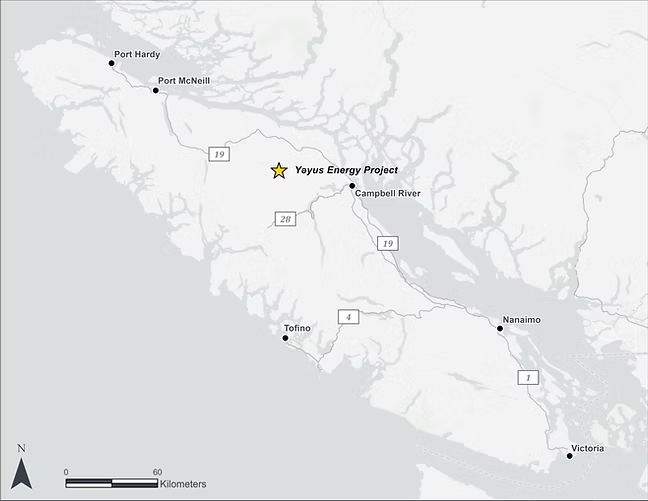
Yəyus Energy—a 197.2‑megawatt wind project—is being jointly developed by Capstone Infrastructure Corporation and the Wei Wai Kum First Nation. Formerly known as the Brewster Wind Project, it sits within the traditional territory of the Ligʷiłdaxʷ peoples and is positioned to help meet the island’s growing electricity needs.
The project secured a 30‑year Electricity Purchase Agreement in December 2024 through BC Hydro’s Call for Power, ensuring long-term stability for both construction and future operations. Once operational, Yəyus Energy is projected to supply enough renewable electricity to power more than 50,000 homes across British Columbia each year.
Its new name, adopted in fall 2025, means “Always Windy” in Liq’wala, the language of the Ligʷiłdaxʷ peoples. The name reflects both the site’s natural wind conditions and the cultural importance of the region. The project’s logo was designed by Indigenous artist James Kwaksistala, selected through a community-led competition.
Wei Wai Kum First Nation leaders have called the renaming an important milestone that honours Indigenous language, culture, and stewardship in the clean energy sector. The partnership is being recognized as a strong example of how Indigenous communities and private developers can work together on major infrastructure projects.
Construction is expected to generate hundreds of jobs at peak activity, with additional long-term roles in operations and maintenance once the facility is running. The project is also anticipated to support the regional economy through local contracting and supply chain participation.
Capstone Infrastructure, a minority owner, says Yəyus Energy reflects its broader mission to expand renewable energy while advancing community‑focused development. The company operates a diverse portfolio of wind, solar, hydro, and biomass facilities across North America.
As regulatory and planning work continues, project representatives emphasize that community engagement and regular updates will remain central as Yəyus Energy moves toward the construction phase.
More About BC Hydro's 2024 Call for Power
BC Hydro’s 2024 Call for Power was a competitive procurement initiative launched in April 2024 to bring new electricity onto the grid and meet British Columbia’s growing energy needs. It is the utility’s first major call for new power in more than 15 years and signals a substantial expansion of the province’s energy portfolio.
Key Objectives and Details
- Target supply: About 3,000 gigawatt-hours (GWh) of new electricity annually.
- Eligible technologies: Wind, solar, hydroelectric, biomass, and other renewable projects that satisfy provincial clean energy standards.
- Timeline: Proposals were reviewed throughout 2024, with long-term electricity purchase agreements awarded near year‑end. The first projects could be operational as early as 2028.
Industry Response
- Developer interest was strong, with proposals amounting to nearly three times the electricity BC Hydro aimed to procure.
- Submissions came from regions across the province, including the Interior, North Coast, Peace Region, and Vancouver Island.
Purpose and Context
The 2024 Call for Power is designed to ensure B.C. has enough electricity to support population growth, electrification of buildings and transportation, industrial expansion, and climate commitments. It reflects rising demand as the province shifts away from fossil fuels.