
Members of Parliament received another round of salary increases this year, with raises ranging from approximately $7,900 for backbench MPs to as much as $15,800 for those in senior positions.
These increases took effect on April 1 and are part of an automatic annual adjustment tied to average wage growth in the private sector. As a result, a standard MP salary has risen to about $217,700. MPs serving in additional roles earn significantly more, with cabinet ministers making roughly $321,300 and the prime minister earning about $435,400.
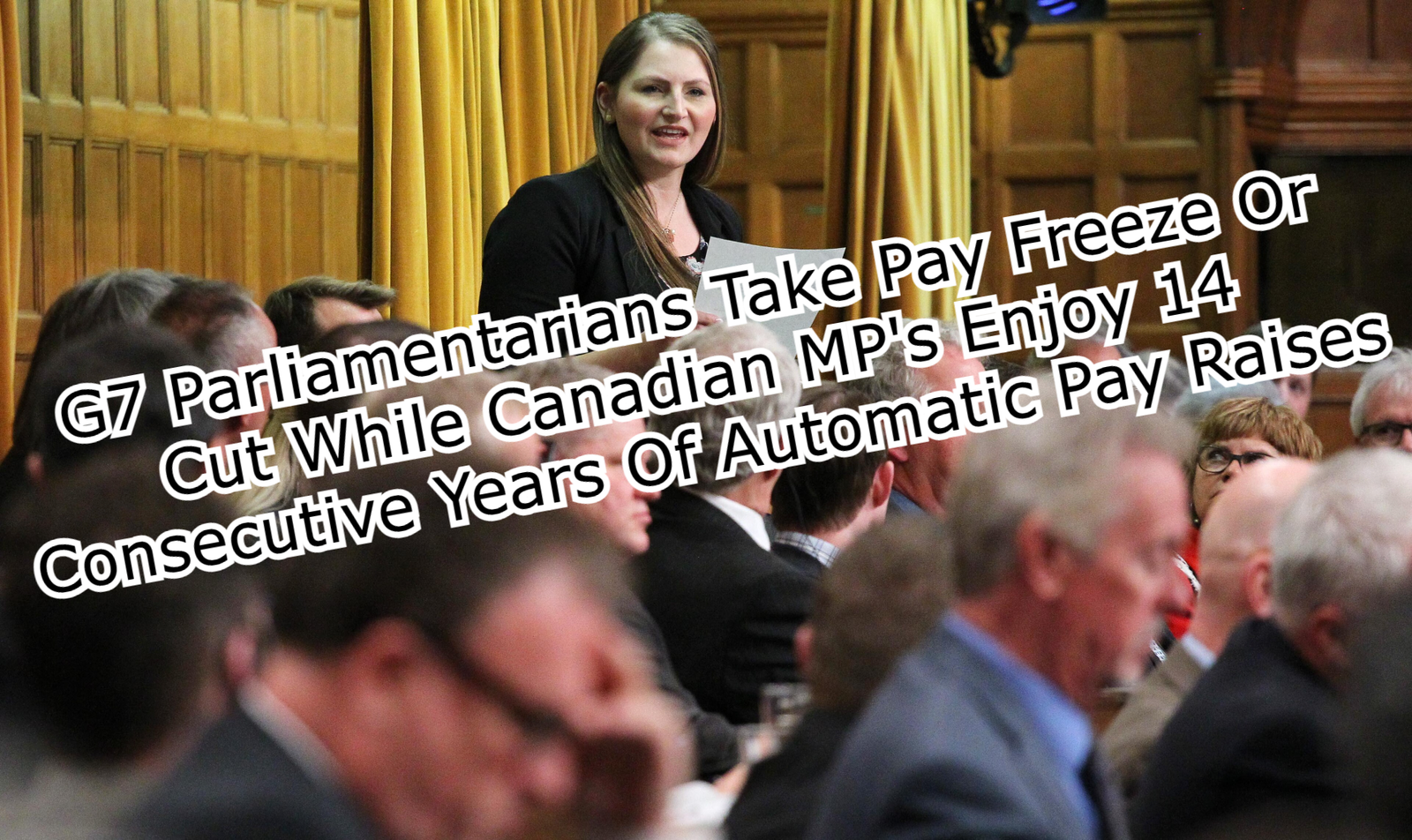
The Canadian Taxpayers Federation is criticizing the continued pay hikes, pointing out that MPs have received increases every year since 2015 without a vote in Parliament. The group argues that this automatic system removes accountability and allows politicians to benefit from raises without directly approving them.
The federation also highlights the broader economic context, noting that many Canadians are dealing with high living costs, including rising prices for housing, food, and fuel. In that environment, they argue, ongoing pay increases for elected officials risk appearing out of touch with the financial pressures facing the public.
In addition, the group raises concerns about the compounding effect of these annual increases over time, which steadily push salaries higher each year. They say this trend contrasts with the experience of many workers whose wages have not kept pace with inflation.
The organization is calling on MPs to reject the automatic pay raise system and instead freeze their salaries. It argues that any future changes to MP compensation should require a transparent vote in Parliament, ensuring elected officials are directly accountable to taxpayers for decisions affecting their own pay.
Overall, the debate reflects a broader tension between maintaining competitive compensation for public officials and demonstrating fiscal restraint during periods of economic strain.










.jpg)