
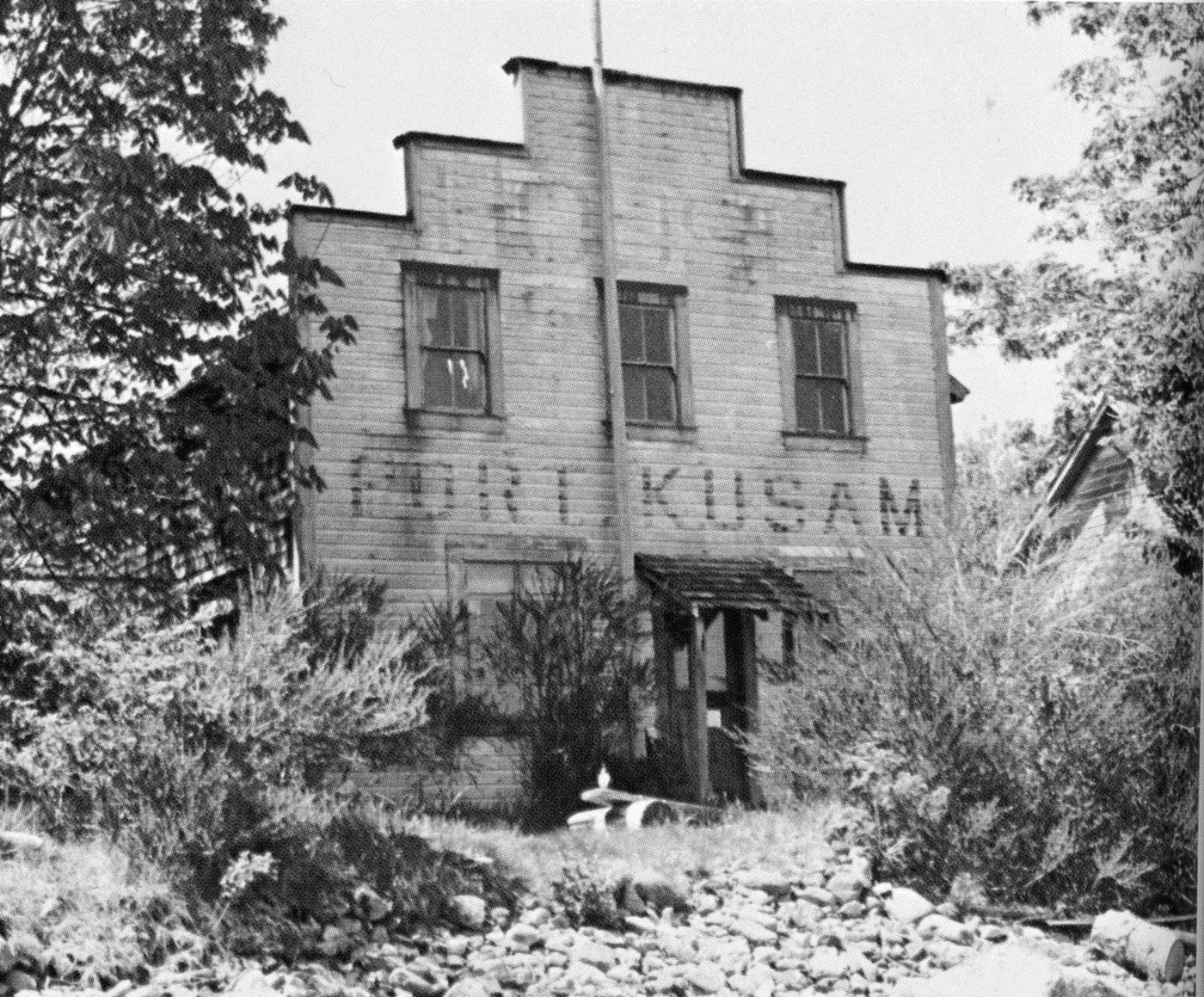
Hidden along the rugged coastline of northern Vancouver Island lies the historical site of Port Kusam, a little-known coastal community located near Sayward. Today, it is quiet and largely reclaimed by forest and shoreline, but in earlier decades it played a small yet meaningful role in the broader network of logging, marine transport, and settlement that shaped the region.
Though not widely documented compared to larger hubs like Kelsey Bay, Port Kusam remains part of the layered industrial and cultural history of the Sayward Valley.
A Remote Coastal Setting
Port Kusam sits in a landscape typical of the outer Sayward coast—steep forested slopes dropping sharply into sheltered inlets, with dense temperate rainforest meeting tidal waters. Like many small coastal locations on northern Vancouver Island, it was never a large settlement, but rather a place shaped by resource use and temporary occupation.
Its sheltered waters made it suitable for:
Small marine landings
Log handling and booming activities
Short-term work camps or industrial staging areas
In many ways, Port Kusam was less a town and more a working place tied to the land and sea.
Logging and Coastal Industry
The history of Port Kusam is closely tied to British Columbia’s coastal logging economy. As logging expanded through the Sayward region in the 20th century, remote inlets like Kusam were often used for:
Temporary logging camps
Log sorting and booming grounds
Transfer points for timber moving by barge or tug
Before extensive road networks reached every cutblock, the coast itself was a transportation system. Logs could be moved efficiently by water, making small protected inlets valuable operational sites.
Port Kusam fit naturally into this system.
Connection to Sayward’s Industrial Network
Port Kusam was part of a wider coastal-industrial landscape that included logging operations in the Sayward Valley and marine transport hubs like Kelsey Bay.
Timber harvested inland would often make its way:
From forest cutblocks down rough logging roads
To shoreline staging or booming areas
Out to larger sorting or shipping points such as Kelsey Bay
In this system, small coastal sites like Port Kusam acted as supporting nodes—quiet but functional parts of a much larger industrial chain.
Life in a Temporary Landscape
Unlike permanent towns, places like Port Kusam rarely developed long-standing infrastructure or large residential populations. Instead, they were characterized by:
Temporary camps rather than established communities
Seasonal or project-based occupation
Minimal permanent buildings
Constant movement of workers and equipment
Life in such places was shaped by work schedules, weather conditions, and the demands of the logging industry rather than traditional civic life.
Nature Reclaims the Coast
As logging practices modernized and transportation shifted toward improved road systems and centralized marine facilities, many small coastal sites like Port Kusam gradually fell out of regular use.
Over time:
Temporary structures were removed or decayed
Industrial activity shifted elsewhere
Forest growth reclaimed old clearings and access points
Today, little remains on the surface to indicate the site’s former role, aside from subtle traces in the landscape and archival references.
A Quiet Part of a Larger Story
Although Port Kusam was never a major settlement, its history reflects a broader truth about coastal British Columbia: much of the region’s development was built on small, temporary, and often unnamed industrial sites.
Together with places like Sayward and Kelsey Bay, it formed part of a network that supported:
The coastal logging industry
Marine transport routes
Resource-based settlement patterns
These places were small individually, but collectively they shaped the economic and social history of the region.
Remembering Port Kusam
Today, Port Kusam stands as a quiet reminder of how deeply industry and geography were intertwined along the Sayward coast. It represents a time when the shoreline itself was an active workspace—where inlets, bays, and forest edges served as vital infrastructure for moving timber and sustaining communities.
Though largely forgotten in everyday conversation, its legacy remains embedded in the landscape of northern Vancouver Island—alongside the forests, waterways, and working histories that continue to define the region.