
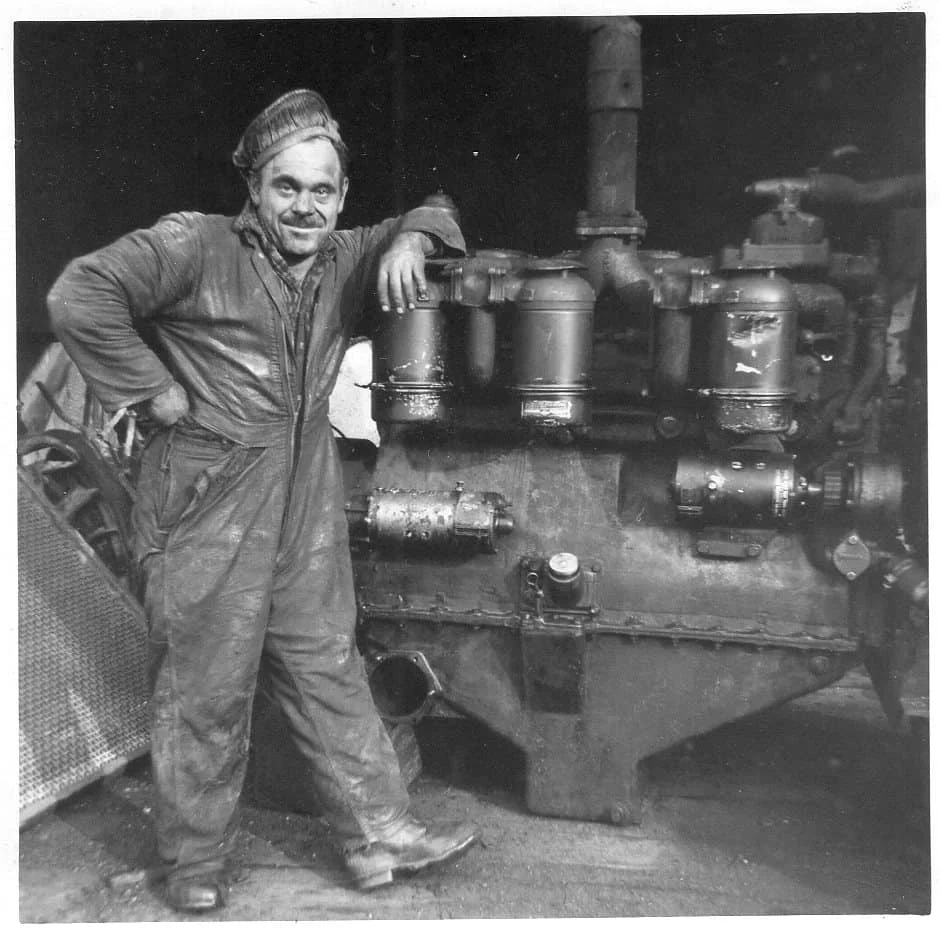
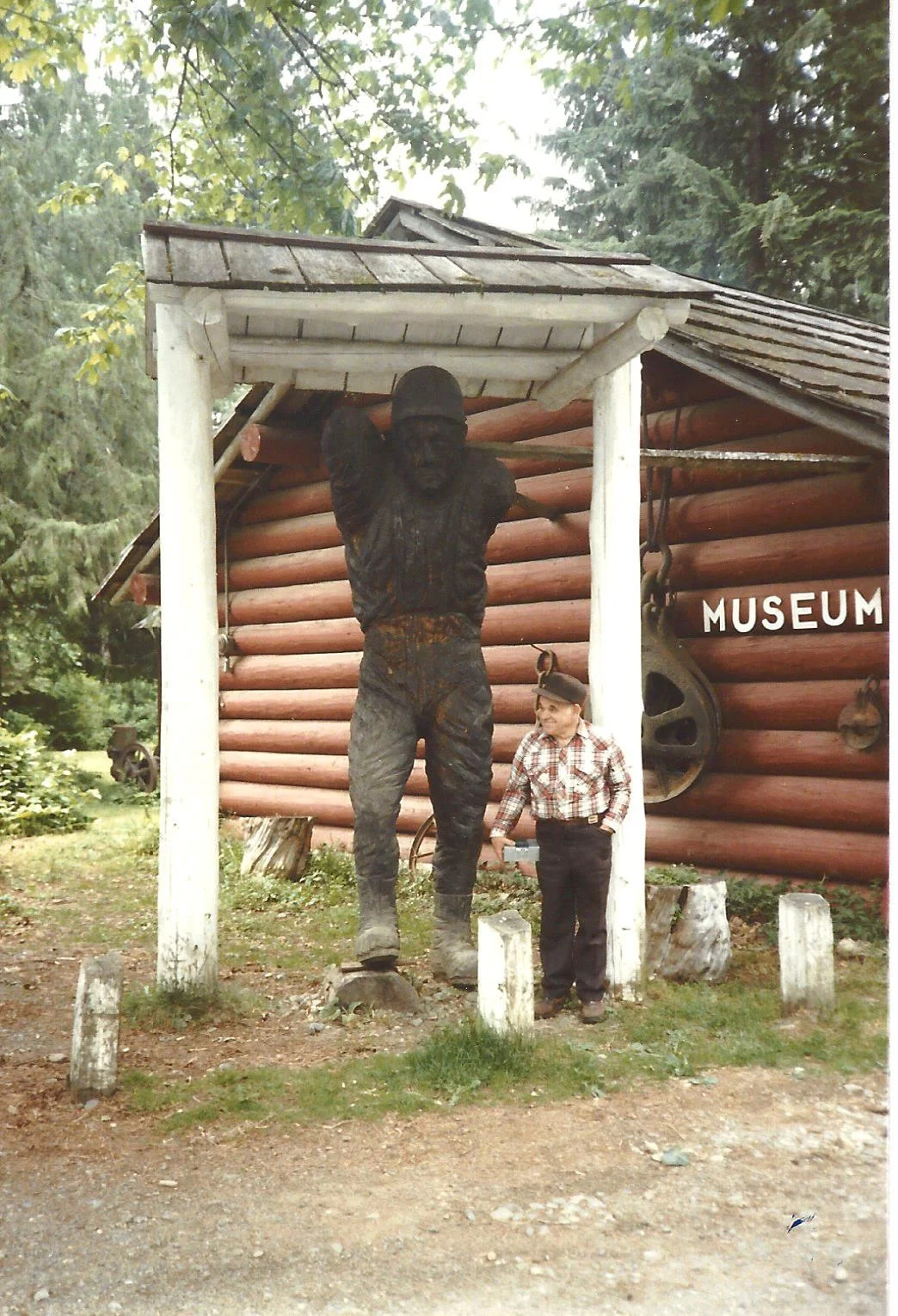
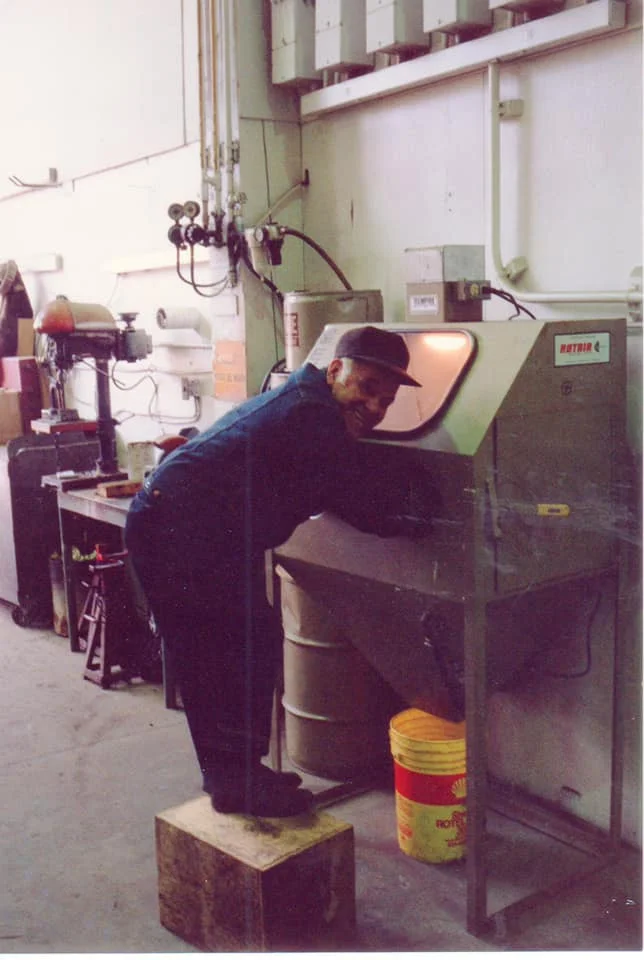
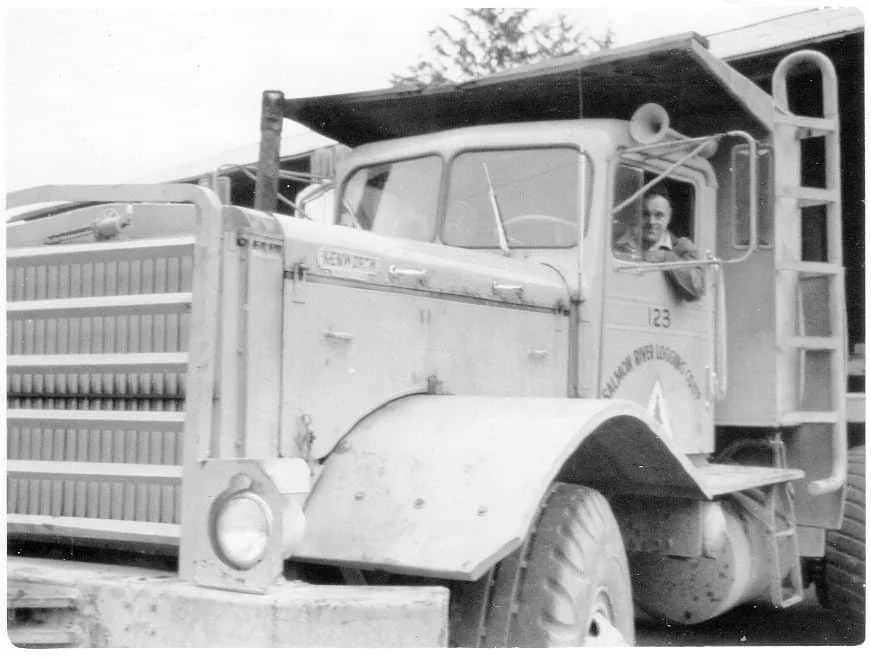
In small coastal communities, legends aren’t made in headlines—they’re built over coffee at the café, in the bush, on the docks, and around stories that get better every time they’re told. In the village of Sayward, one such figure still lives on in memory and local lore: “Shorty” McKinlay.
Nobody needed to ask who you meant when you said “Shorty.” In a place where everyone knows everyone, a nickname like that doesn’t just stick—it becomes a badge of identity. And like many nicknames on Vancouver Island, it likely had a story behind it that only got funnier (or more exaggerated) with time.
A Man of the Bush
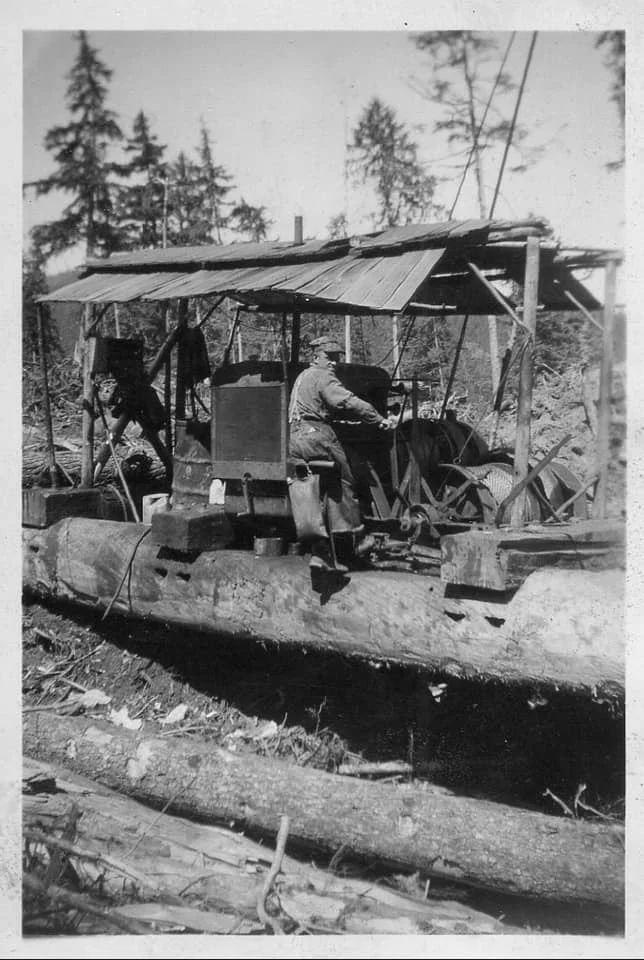
To understand Shorty McKinlay, you have to understand Sayward in its working years. This was a community built on logging, fishing, and grit. The forests surrounding the valley weren’t just scenery—they were livelihoods.
Men like Shorty were part of that world. Whether he spent his days falling timber, running equipment, or working the rough edges of camp life, he would have been shaped by the same forces that defined generations of coastal workers: hard labor, unpredictable conditions, and a deep respect for the land.
Logging culture in mid-century Vancouver Island wasn’t polished—it was practical, tough, and often laced with humor. And that’s where personalities like Shorty stood out.
Larger Than Life
Ironically, nicknames like “Shorty” often belonged to men who were anything but small in presence. In communities like Sayward, reputation traveled fast, and being known usually meant you had a story—or a dozen—attached to your name.
Maybe it was his work ethic. Maybe it was his sense of humor. Maybe it was the way he handled himself in a tight spot. Whatever it was, Shorty McKinlay became one of those people others remembered, talked about, and pointed to as part of what made the town what it was.
These weren’t celebrities in the traditional sense—but in a place like Sayward, they didn’t need to be.
The Social Fabric of a Small Town
Beyond the work itself, life in Sayward revolved around community. Evenings might mean gathering at a local hall, sharing stories after a long shift, or catching up with neighbors who were often also coworkers.
People like Shorty were part of that fabric. They helped define the tone of the place—the jokes, the stories, the sense of belonging. In small towns, personality matters. It shapes how people remember their home.
Memory and Legacy
There may not be official records or plaques dedicated to “Shorty” McKinlay, but that’s not how legacy works in places like this. It lives in stories passed down through families, in offhand mentions that spark laughter, and in the quiet recognition of a name that still means something decades later.
In many ways, figures like Shorty represent a broader truth about communities like Vancouver Island: their history isn’t just built by companies or milestones, but by individuals whose lives—ordinary on paper—were anything but in practice.
A Name That Sticks
Today, Sayward is quieter than it was during its peak logging years, but its character remains. And woven into that character are the people who helped shape it—people like “Shorty” McKinlay.
You might not find his name in history books, but in Sayward, that hardly matters.
Because sometimes, the most enduring legacies aren’t written down—they’re remembered.