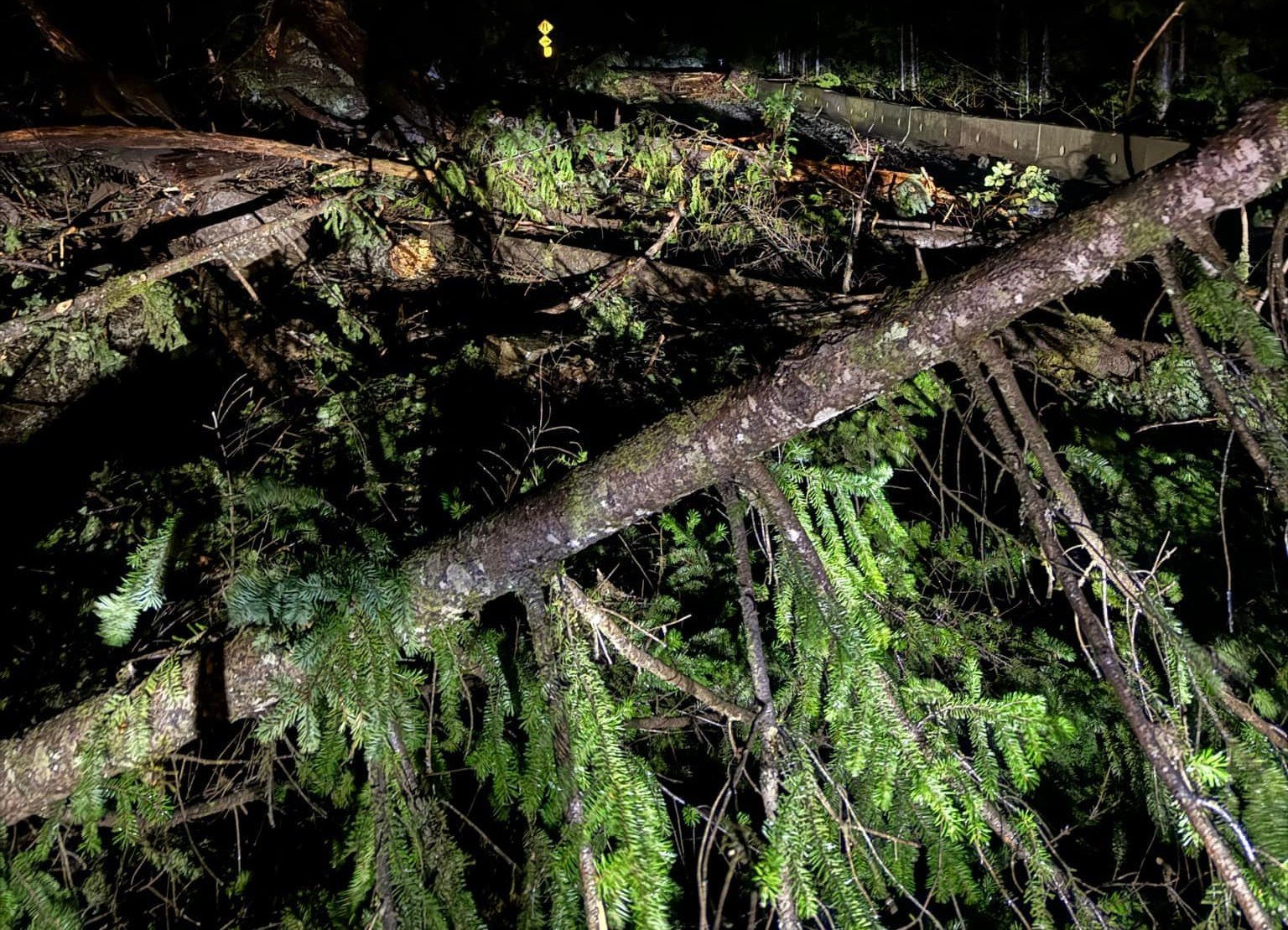
The Hidden Dangers of Walking or Driving Through Flooded Areas

Floods are one of the most common and deadly natural hazards, yet they are often underestimated. When roads or paths become flooded, the situation can change from inconvenient to life-threatening in seconds. Whether walking or driving, entering flooded areas presents serious risks that are often overlooked. Here’s a closer look at the dangers involved and why you should avoid flooded areas altogether.

Water Depth and Force Are Deceptive

Why It’s Dangerous to Walk Through Floodwater

Even shallow floodwater can have surprising force. It only takes six inches of fast-moving water to knock over an adult. This depth, which may seem minor, is often enough to cause people to lose their footing, leading to falls, injury, and even drowning in severe cases. Additionally, floodwaters can mask the uneven terrain, open manholes, or sudden drops, further increasing the risk of injury.

Why It’s Dangerous to Drive Through Floodwater

For vehicles, the risks are even higher. Just 12 inches of water is enough to float a small car, and two feet can carry away larger vehicles, including trucks and SUVs. Most floodwater moves with a powerful current, strong enough to lift and pull vehicles downstream, sometimes flipping them over or trapping passengers inside. Drivers often misjudge the water depth and force, leading to deadly situations.

Hidden Hazards Beneath the Water’s Surface

Road Conditions and Obstacles

Floodwater conceals debris, potholes, and other obstacles that can cause both pedestrians and vehicles to get stuck or damaged. Broken glass, sharp objects, tree branches, and downed power lines can hide just beneath the surface, increasing the chance of injury.

Contaminants in Floodwater

Floodwaters are often contaminated with sewage, chemicals, gasoline, and other toxins from surrounding areas. Wading through such water exposes people to dangerous bacteria and pathogens, increasing the risk of infections and illnesses. For vehicles, water exposure can also corrode mechanical components and cause long-term damage to the engine, brakes, and electrical system.

Electrical Hazards in Flooded Areas

Downed power lines are a significant threat during floods. Water is a powerful conductor of electricity, meaning floodwaters may be electrified if live wires are present. This can lead to deadly shocks for anyone who walks or drives through such areas unknowingly. Even low levels of current can be fatal in standing water.

Unpredictable Water Currents

Floodwater currents are more dynamic than they may appear. Water levels can rise or shift quickly, especially if there’s continued rain or if nearby dams, rivers, or drainage systems are involved. Flash floods, in particular, can happen without warning, turning a few inches of water into a torrent within minutes. Attempting to navigate these currents is not only challenging but also extremely dangerous.

Emergency Response Challenges

In flooded areas, first responders face additional challenges that can delay rescue and increase the danger to those in need. Flooded roads or downed trees may prevent emergency vehicles from accessing stranded drivers or pedestrians. These delays can turn a manageable emergency into a crisis, where immediate assistance becomes difficult or even impossible.

Vehicle Damage and Financial Consequences

Driving through floodwater isn’t just a risk to your safety; it can also lead to severe vehicle damage. Water entering the engine or electrical system can lead to expensive repairs or total vehicle loss. Most insurance policies don’t cover flood damage, meaning these costs often fall directly on the vehicle owner. Attempting to drive through even shallow floodwaters could result in costly damage that is often avoidable.

Safety Tips for Avoiding Flood Hazards

Never Walk or Drive Through Flooded Areas

If you encounter a flooded road or pathway, turn around. The rule “Turn Around, Don’t Drown” is widely used for a reason—staying out of floodwater is the best way to avoid danger.

Plan Alternate Routes in Advance

If heavy rain or flood warnings are in effect, check local maps for high-ground routes or alternative paths that avoid flood-prone areas. This pre-planning can be crucial for safe travel.

Stay Updated on Weather Alerts

Monitor weather warnings and flood alerts on local news channels or weather apps. When flash flood warnings are issued, prioritize safety and avoid traveling unless absolutely necessary.

Park on Higher Ground

In flood-prone areas, avoid parking on low ground, where your vehicle could be susceptible to rising water.

Respect Barricades and Warning Signs

Roadblocks and flood warning signs are there for public safety. Avoid bypassing barriers, as they are placed in response to hazardous conditions.


Conclusion

Floodwaters, whether in familiar or unfamiliar areas, are dangerous, deceptive, and should always be avoided. Walking or driving through floodwater risks not only your life but also the lives of emergency responders who may have to rescue you. By recognizing these dangers and following flood safety guidelines, you can protect yourself, your loved ones, and your community.

Preparing Your Vehicle for Winter Travel and Emergencies

Winter driving brings unique challenges and hazards, from icy roads to sudden snowstorms. Preparing your vehicle for the cold season isn’t just about maintenance—it’s also about ensuring safety and preparedness in case of emergencies. Here’s a complete guide to getting your vehicle winter-ready.

Inspect and Winterize Your Vehicle

Tires

  • Switch to Winter Tires: All-season tires may not provide adequate traction in snowy or icy conditions. Winter tires are designed to stay pliable in colder temperatures, improving grip.
  • Check Tire Pressure: Tire pressure drops as temperatures decrease, so check and adjust it regularly. Properly inflated tires help with traction and handling.
  • Consider Chains or Studded Tires: If you live in a mountainous or extremely snowy region, tire chains or studded tires may be necessary.

Battery

  • Cold temperatures can severely impact battery performance, so have your battery tested to ensure it has enough charge.
  • Check Connections: Ensure the battery terminals are free of corrosion, clean, and tightly connected.
  • Battery Replacement: If your battery is older than three years or shows signs of weakness, consider replacing it before winter.

Fluids

  • Antifreeze: Check your antifreeze level and make sure the ratio of antifreeze to water is correct (typically 50:50). Antifreeze helps prevent your engine from freezing in low temperatures.
  • Windshield Washer Fluid: Use a washer fluid rated for cold temperatures to prevent freezing. Keep an extra jug in your car.
  • Oil Change: Winter weather may call for a lower-viscosity oil. Consult your vehicle’s manual or mechanic to see if a different oil grade is recommended for colder temperatures.

Wiper Blades

  • Visibility is critical in winter. Install winter wiper blades, designed to prevent ice build-up, and replace any worn-out blades.

Brakes

  • Check the brake system and ensure everything is in good working condition. Winter roads demand quick and reliable stopping power.

Create a Winter Emergency Kit

In case you become stranded or delayed, having a winter emergency kit can be a lifesaver. Here’s what to include:

Essentials for Staying Warm

  • Blankets and/or Sleeping Bag: Wool blankets or a thermal sleeping bag provide insulation.
  • Warm Clothing: Extra hats, gloves, socks, and scarves can help keep you warm.
  • Safety and Communication Gear: Flashlight and Extra Batteries: In case you need to signal for help or find something in the dark.
  • Battery-Powered Phone Charger: To keep your phone charged for emergencies.

Tools and Equipment

  • Shovel: A collapsible shovel can help you dig out of snow if your vehicle gets stuck.
  • Traction Aids: Sand, cat litter, or traction mats can help tires gain traction on icy or snowy surfaces.
  • Ice Scraper and Snow Brush: For keeping windows and mirrors clear of ice and snow.
  • Tow Strap: A tow strap or rope can help another vehicle assist you if you’re stuck.

Food and Water

  • Non-Perishable Snacks: High-energy snacks like protein bars, dried fruit, and nuts can sustain you during a wait.
  • Water Bottles: Keep water in the car, but consider using insulated containers to prevent freezing.

Plan Your Winter Travel

Check the Weather Forecast

  • Always check the weather before heading out. Snowstorms, freezing rain, and extreme cold can make driving dangerous.

Map Out Rest Stops

  • Knowing where to find safe places to pull over can be critical in bad weather.

Keep Your Tank Full

  • A full gas tank minimizes condensation, reducing the risk of fuel line freeze-up. It also ensures you have plenty of fuel to run the car periodically if you’re stuck.

Winter Driving Tips and Techniques

Drive Smoothly

  • Winter driving is all about smooth, gradual movements. Accelerate and brake slowly to avoid sliding. Leave plenty of space between you and the vehicle ahead.

Beware of Black Ice

  • Black ice is a thin layer of ice on the road that’s nearly invisible. Slow down and avoid sudden turns or braking if you suspect black ice.

Stay Calm if You Get Stuck

  • If your vehicle gets stuck, avoid spinning your tires at high speeds. Instead, clear snow away from the tires and use traction aids like sand or kitty litter. If the situation becomes serious, call for help.

Keep Up with Regular Maintenance

  • Even in winter, your vehicle requires regular maintenance. Keep up with scheduled oil changes, brake inspections, and fluid checks. Winter roads can be rough on vehicles, so regular maintenance will help prevent breakdowns and ensure your vehicle runs smoothly.


Conclusion

  • Preparing your vehicle for winter driving and emergencies is an investment in your safety and peace of mind. By winterizing your car, assembling an emergency kit, and being proactive about weather and driving conditions, you’ll be ready to tackle winter roads with confidence.

The Beckery Carrot Cake

This carrot cake with pineapple curd, whipped cream cheese frosting, and toasted pecans is the latest creation from The Beckery.

The Beckery

The Beckery Logo

About The Beckery

The Beckery is all about making life sweeter by creating quality, delicious treats for friends and family.

Contact The Beckery

Facebook Messenger

The Beckery

Facebook Page

The Beckery

Notice of Upcoming Pile Burning Program in Sayward Valley

Dear Residents,

We would like to inform you that La-kwa sa muqw Forestry LP will be initiating a pile burning program in the Sayward Valley starting Tuesday, October 15th. This program is expected to last for approximately one month, depending on weather conditions and venting.

The purpose of this activity is to expand our tree planting area and reduce fire fuel hazards in logged regions. We are required by regulation to manage fuel hazards near the Sayward Fire Protection District.

Please note that the Open Burning Smoke Control Regulation outlines specific conditions for this pile burning, taking into account factors such as venting, wind direction, wood moisture content, and the age of the piles. Our goal is to minimize any noticeable impact on air quality for the residents of Sayward during this program.

If you have any questions or concerns, please don’t hesitate to reach out to me.

Best regards,

Shawn Crawford
Silviculture Planner
crawford@lakwasamuqw.com
250-287-5037

Waiting For Mama – Photo By Dene Rossouw

A black bear cub gets tired waiting for mama bear to bring back a fish in British Columbia.

Dene Rossouw

Dene Rossouw

About Dene

Dene spends weekends photographing wildlife with a Nikon Z9, D850 and Nikkor 400mm f/2.8G ED VR, plus portrait, micro and landscape lenses.

Many of Dene’s photographs are available for purchase on his website.


Contact Dene

Yearling Grizzly Cub Makes Eye Contact – Photo By Dene Rossouw

EYE CONTACT

A yearling grizzly cub tries to figure out if we are a danger (or not).

With Anthony Bucci.

British Columbia

Dene Rossouw

Dene Rossouw

About Dene

Dene spends weekends photographing wildlife with a Nikon Z9, D850 and Nikkor 400mm f/2.8G ED VR, plus portrait, micro and landscape lenses.

Many of Dene’s photographs are available for purchase on his website.


Contact Dene