
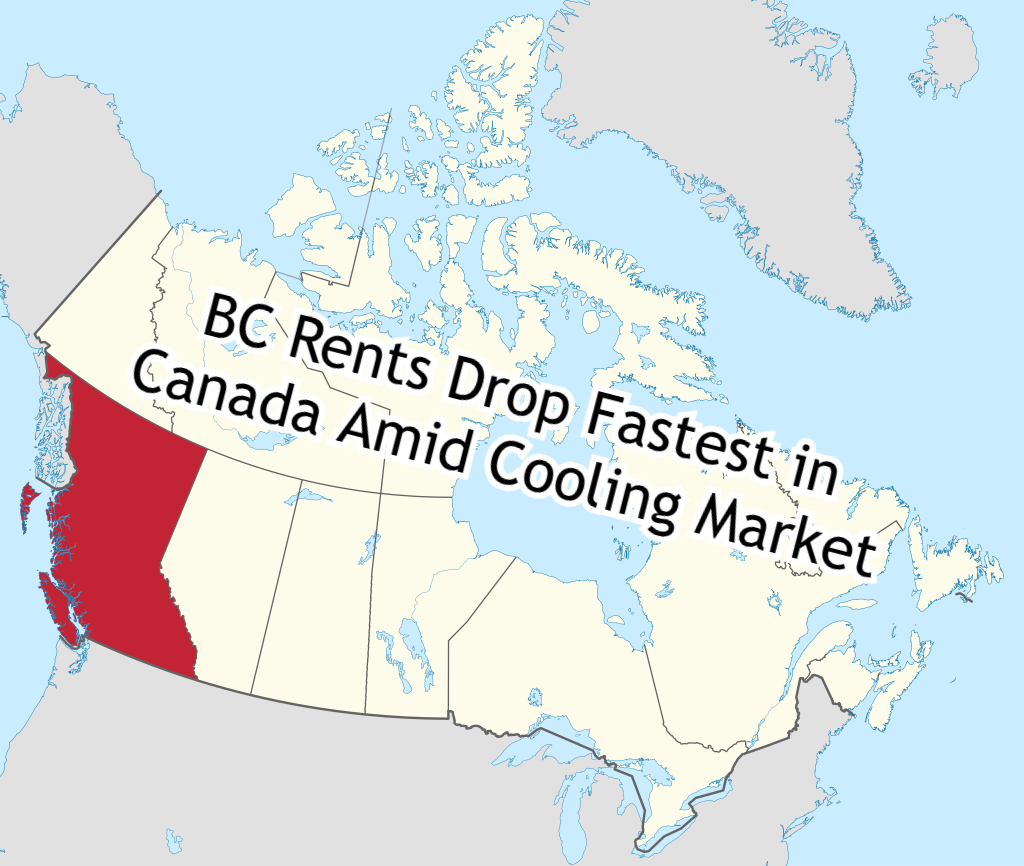
Rent prices across Canada have continued to ease in recent months, with British Columbia recording some of the steepest declines. National rental market data shows average asking rents trending downward, and B.C. has outpaced most provinces in the scale of its drop.
Analysts cite several factors behind the cooling market: new housing completions boosting supply, slower population growth, and reduced demand. With more units available, renters now have greater choice and bargaining power, pushing average asking prices lower.
In B.C., the decline has been especially pronounced. Vancouver and surrounding communities—long among the most expensive rental markets in the country—have seen noticeable reductions compared with last year. Local conditions, including a competitive supply and shifting renter demand, have amplified the broader national trend.
Across Canada, average asking rents have fallen for consecutive months on a year‑over‑year basis, marking a sharp reversal from years of steady increases. While rents remain historically high compared with earlier levels, the recent downturn offers some relief to tenants struggling with affordability.
Provincial comparisons show B.C.’s declines leading the way, followed by Alberta and Ontario, which have also seen drops, though less severe. Other provinces have experienced only modest decreases, and in some cases, slight increases in certain market segments.
Experts caution that the current softening may not last indefinitely. Employment growth, immigration, and broader economic conditions could shift rental dynamics again. For now, however, the trend signals a notable change in Canada’s rental landscape—bringing short‑term relief for renters and heightened attention from landlords, policymakers, and housing advocates.