
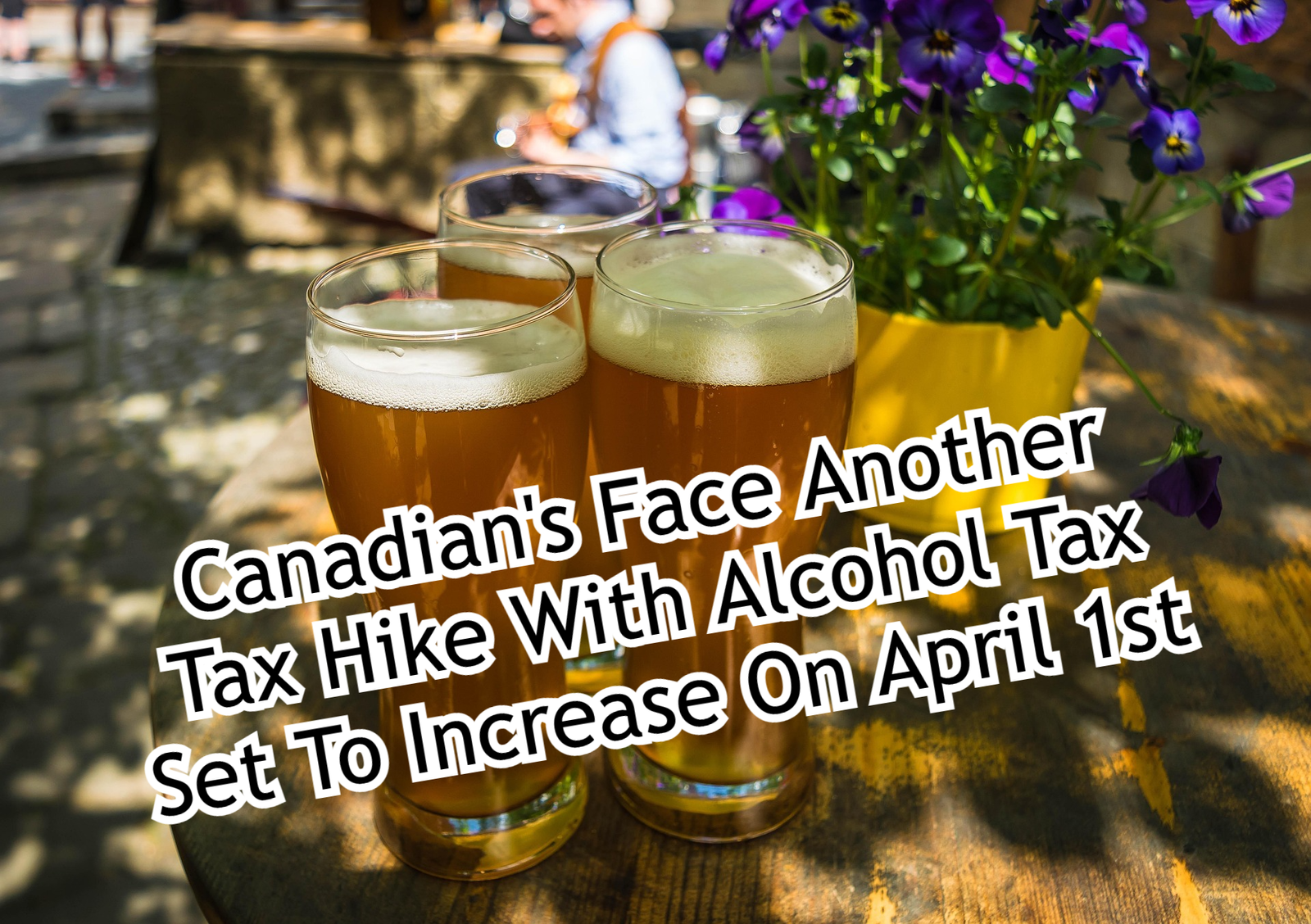
The federal government has confirmed that alcohol excise taxes will rise again on April 1, 2026, as part of the automatic annual increase applied to beer, wine, and spirits.
This built‑in adjustment — commonly known as the alcohol escalator tax — raises excise duties each year based on inflation, without requiring a separate vote in Parliament. The upcoming increase amounts to two per cent, a change industry estimates suggest will generate roughly $41 million in additional federal revenue for 2026–27.
First introduced in the 2017 federal budget, the escalator mechanism ties alcohol taxes to the Consumer Price Index. Since then, industry data indicates these automatic hikes have added about $1.6 billion to federal excise revenues.
Reaction to the latest increase is mixed. Brewers, distillers, and hospitality groups have long warned that repeated tax hikes compound pressures on producers already dealing with rising input costs, tariffs, and economic uncertainty. Some say ongoing increases could influence pricing and production decisions.
Observers also note that excise duties are only one component of alcohol pricing in Canada, with provincial markups and retail rules playing a major role. Because the federal increase is automatic, it continues to fuel debate over whether annual tax changes should require parliamentary approval.
The scheduled hike comes at a time when Canadians are already facing significant cost‑of‑living pressures, with rising prices across many sectors of the economy.