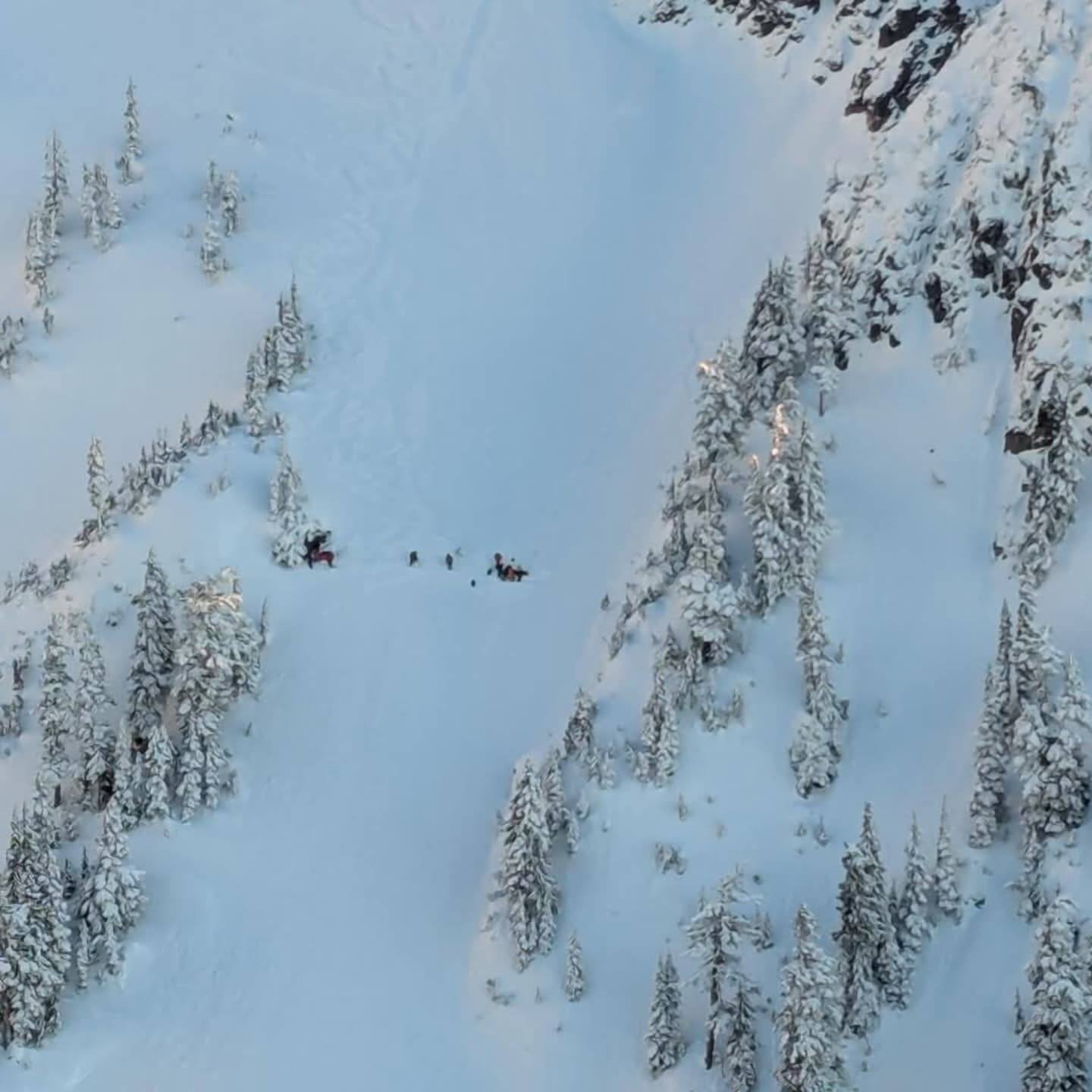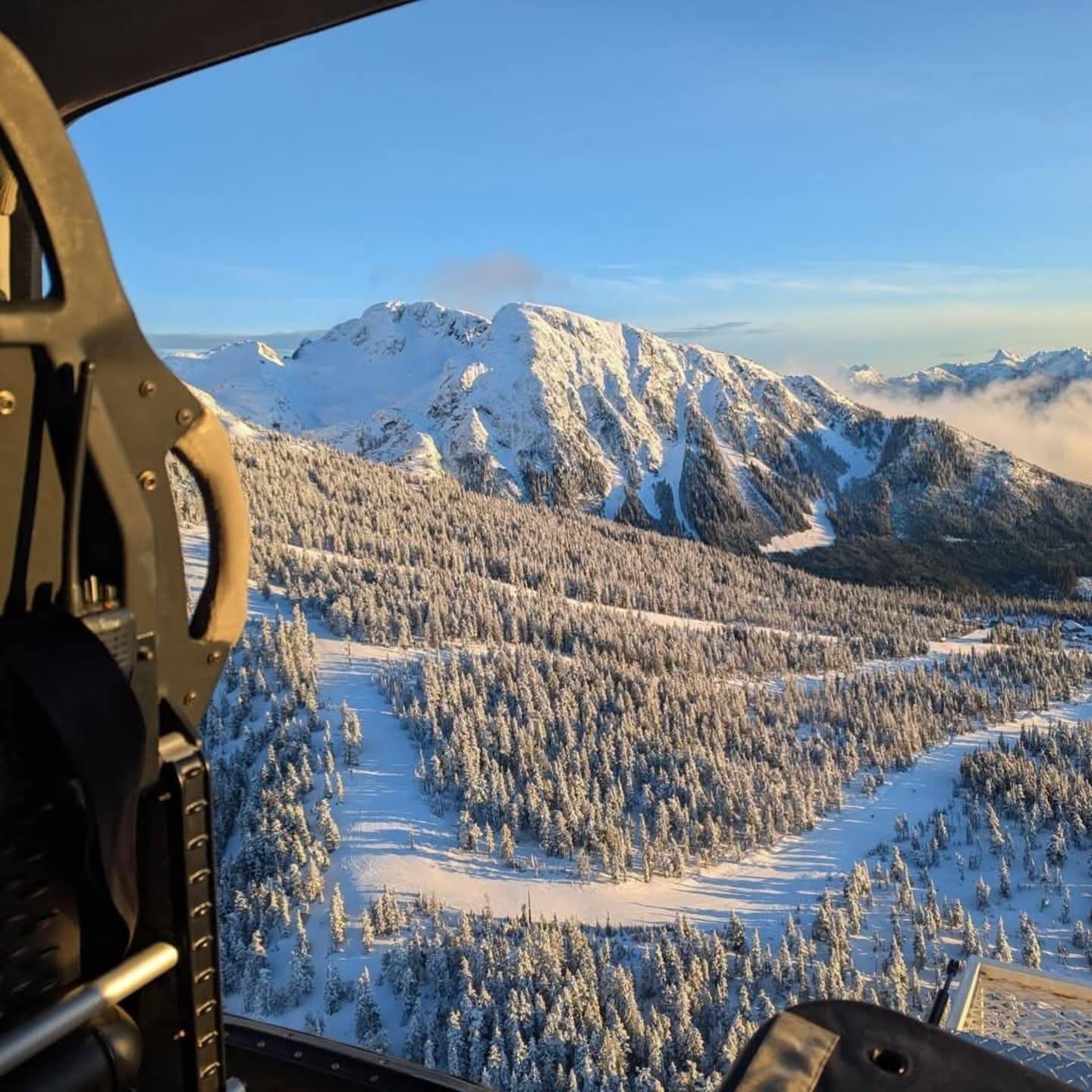
Mount Cain Finally Opens

The Team At Mount Cain Is Thrilled To Finally Have Enough Snow To Open The Slopes

Snow is expected to start Friday evening and continue into Saturday, with more snow coming.

Carrying Chains Is Mandatory

  • Ensure you have chains that fit your vehicle, know how to use them, and plan to use them.
  • Chains may be required both up and down the access road. Vehicles without chains will be denied access.
  • Make sure your chains are the right size and in good condition.
  • Tire chains are often required for all vehicles, including 4x4s with good snow tires.
  • Unprepared drivers put everyone at risk.
  • Bring a shovel in case you need to dig out.

Devastating Fire Destroys Historic Telegraph Cove Resort

Telegraph Cove Resort, a cherished destination on the northeast corner of Vancouver Island, faced a devastating structural fire in the early hours of December 31, 2024. The fire left parts of the resort smouldering, marking a tragic end to the year. Key areas affected included a portion of the boardwalk, the Old Saltery Pub, Killer Whale Café, Wastell Manor heritage house, Whale Interpretive Centre, Prince of Whales offices, and staff housing.

The resort has deep roots in the community, tracing back to Gordie and Marilyn Graham’s acquisition in 1979. Initially a campground and marina, it became a formal resort in the early 1980s, drawing visitors from across Canada and beyond. Its picturesque setting and historic charm have made it a cornerstone of Telegraph Cove.

The impact of the fire has resonated deeply with the Graham family, the local community, seasonal staff, and businesses reliant on the resort’s operations. “This resort isn’t just a business to us—it is our home, our history, and our legacy,” said Gordie Graham. “As my wife and I near retirement, we are heartbroken to see our life’s work, built with my own hands, go up in flames. While we are grateful no one was harmed, we are living through one of our worst nightmares.”

The fire’s cause is under investigation by local authorities. While the financial losses are significant, the emotional toll is immeasurable.

Demonstrating resilience, the family acknowledges the need for time and support to rebuild. “Telegraph Cove has always been a place of connection and renewal. Today, we mourn, but we also look to the future with hope. We’ve been overwhelmed by the support and concern from our community,” said Marilyn Graham. “Every message is deeply appreciated.”

Expect A Green Christmas On Vancouver Island

As the holiday season approaches, Vancouver Island is expected to experience several rounds of precipitation. However, unless you’re heading to the mountains, a white Christmas is unlikely.

Matt Loney, a meteorologist with Environment and Climate Change Canada, explained that the likelihood of snow is “very low to minimal, or even zero.”

Meteorologists have run models consistently over the past few days, and the results have remained unchanged. “The models are showing a consistent response, which reinforces the idea that low-level snow is unlikely for Vancouver Island,” Loney said. “It’s very unlikely we’ll see any Arctic air before Christmas.”

So, whether you’re celebrating a winter holiday or not, it seems Vancouver Island will be snow-free this Christmas.

Rain, however, is expected around several key dates: the Winter Solstice on December 21, Christmas Day, the start of Hanukkah on December 25, and Kwanzaa starting on December 26.

For those planning to visit higher elevations, such as Mount Washington or Mount Cain, snow conditions should be favorable. “The snow and freezing levels will be enough to create a good snowpack at Mount Washington for Christmas,” Loney noted.

While snow is unlikely for most of Vancouver Island, heavy rainfall is much more probable. Forecast models show incoming disturbances, with the mid-Island region likely to see the heaviest rainfall.

“There’s still some uncertainty in the models,” Loney said, “but stormy weather is definitely on the way.”

Island Wind Farm Firm Assures Quality Care Despite Absence of Formal Assessment

A proposed wind farm for the Strathcona Regional District is one of nine renewable energy projects that received approval earlier this week.

To expedite these projects, the province announced it is waiving environmental assessments (EA).

Energy and Climate Solutions Minister Adrian Dix announced this exemption at a press conference on December 9. He confirmed that the wind power projects, which will be co-owned by First Nations, will receive 30-year production contracts with BC Hydro.

“We urgently need these new energy generation projects to meet the growing demand for power and to accelerate our efforts to build a prosperous and inclusive clean economy,” Dix said. “We’re going to work together with BC Hydro, First Nations, and project proponents to get these projects built quickly, responsibly, and efficiently, and get those turbines spinning.”

Named the Brewster Wind Project, the plan includes a capacity of up to 200 megawatts with around 30 wind turbines. According to current provincial regulations, wind projects exceeding 50 megawatts or more than 15 turbines typically require an EA.

Megan Hunter from Capstone Infrastructure, the Toronto-based company behind the project, expressed surprise at the EA exemption but said it is too early to discuss changes in the construction timeline.

“B.C. has strong environmental protections, and we plan to complete robust consultation and engagement with Indigenous groups and the local community, as their input will improve the project,” Hunter stated in an email. “Wildlife, environmental, noise, and cultural impact studies will still be conducted.”

Chief Chris Roberts of Wei Wai Kum First Nation, partnering with Capstone, emphasized the nation’s commitment to sustainable development and environmental stewardship. He expressed confidence in Capstone’s capability as a seasoned developer, owner, and operator of renewable energy facilities.

“We understand there is an enhanced permitting process being developed to reduce duplication and inefficiencies in the current EA process,” Roberts wrote. “Our goal is to minimize and mitigate potential negative impacts on wildlife and the environment, regardless of the permitting process.”

The province reiterated its commitment to “robust environmental standards” in a December 9 media release, mentioning a “one window” permitting approach to streamline regulatory processes.

The decision to waive environmental assessments has been met with some surprise.

UBC professor emeritus Michael Healey highlighted the challenges associated with wind farms, such as potential harm to birds, significant land use, and noise concerns.

“I personally don’t think it’s wise to start any large industrial project without thorough environmental analysis, regardless of who is involved,” Healey wrote in an email. “Assuming that First Nations’ involvement means all environmental issues will be fully considered is misguided. The government often incentivizes Indigenous governments to accept projects they might otherwise reject.”

Dissatisfaction with the EA process among First Nations in B.C. has been growing for years. A significant portion of EA litigation in the province has been initiated by First Nations, encompassing broader concerns such as strategic planning, land use, and assessment procedures, according to a 2010 report by UVic’s Environmental Law Centre.

Tahsis Mayor Martin Davis, a regional district director and cave researcher, called the EA exemption decision “surprising.” He emphasized the need for some form of assessment from an economic standpoint.

When the wind project was proposed late in the summer, Davis highlighted the importance of consulting caving and paleontology experts to assess the area. He noted that some ridges in the area contain limestone, which would need to be avoided to ensure the turbines remain stable.

“From an economic perspective, placing wind turbines on limestone could lead to structural failures,” Davis told the Mirror.

Davis also mentioned that caves in the area could serve as critical habitats for bats.

Mount Cain Team Hoping For Pre-Christmas Opening With Favorable Weather Forecast

As of December 12th, 2024, the lower weather station reports 32cm of snow, with the ridge run at 49cm. Unfortunately, conditions are not suitable for opening just yet. There is potential good news, though, as long as it stays cold. Snow is in the forecast starting this weekend and into next week, so while it’s not guaranteed, there’s a chance Mount Cain might open just before the holidays.

Stay tuned for another snow update on December 18th! The Cain Lodge Hostel calendar will be live for bookings on Wednesday, December 25th at 5 PM!

In the meantime, here are some classic snow rituals to keep the snow vibes going:

1. Wear your pajamas inside out.
2. Sleep with a spoon under your pillow.
3. Flush ice cubes down the toilet.
4. Place a white crayon on the windowsill.
5. Do a snow dance.
6. Put a spoon in the freezer.
7. Throw ice cubes out the window.
8. Eat a sardine while doing a headstand.
9. Leave a penny on the windowsill.
10. Place an ice cube in each corner of the house.
11. Wear a toque to bed.
12. Run around the dining table five times before eating.
13. Make a sacrifice to Ullr.
14. Buy your Cain membership online to save time at the ticket booth. (You’ll thank me when it’s snowing and you’re in the lift line!).

And hey, if you’ve been holding onto some old pennies (since they’re not as useful these days), now’s the time to put them to work! Place one on your windowsill for some extra snow magic.

Proposal for 30 Turbine Wind Farm Northwest of Campbell River Unveiled

Toronto Energy Company Proposes 200 Megawatt Wind Farm Between Campbell River And Sayward

A wind farm is being proposed for a site 40 kilometres northwest of Campbell River in the Strathcona Regional District.

The Brewster Wind Project aims to have a capacity of up to 200 megawatts, featuring about 30 wind turbines. The project will also include a substation, access roads, an interconnection transmission line, and ancillary equipment, operating for 30 years.

In a letter to the regional district submitted in August, Andrea Kausel, Vice President of Development at Capstone Infrastructure, stated that the company is reaching out to provide preliminary notice and begin early-stage consultation.

According to a map submitted by the company, the towers will be erected in two clusters southwest of Sayward.

The letter highlights the need for new resources due to a 15 per cent increase in electricity demand by 2030. The 2024 Call for Power by BC Hydro aims to contract the lowest-cost projects that provide maximum value to the grid and rate-payers.

Last month, the regional district advised the company to consult with caving and paleontology experts, such as those at the British Columbia Paleontological Alliance and Royal B.C. Museum, given the region’s unique cave formations.

At a Sept. 25 district meeting, Martin Davis, an SRD director and cave researcher, emphasized the importance of identifying stakeholders early to assess the proposal’s feasibility. Davis noted that limestone could make the land “inherently unstable,” as evidenced by a previous wind farm proposal near Port Alice that faced environmental challenges.

Capstone Infrastructure’s website addresses the potential effects of wind farms on wildlife, acknowledging that these large-scale infrastructure projects can pose risks. The company mentions that early planning stages can help evaluate impacts. While birds and bats are particularly at risk, careful siting and design, along with in-depth field surveys, can help quantify, avoid, or mitigate impacts to acceptable levels.

Capstone Infrastructure has also proposed a 35-turbine wind farm between Kamloops and Merritt, B.C., in the Thompson-Nicola Regional District. The company operates various power facilities across Canada, including a 16-megawatt hydro power station in Sechelt.

Proposals were due in September, and BC Hydro will award the agreements in December. According to the company, new projects are set to launch between 2028 and 2031.

If successful, the Brewster Wind Project will require an environmental assessment, starting in 2025. The company also plans to conduct further engagement with local communities.

Toronto Energy Company Proposes 200 Megawatt Wind Farm Between Campbell River And Sayward