Abandoned Komoks Village Circa 1917

Sayward Historical Society information indicates that the Komoks First Nation experienced traumatic flooding and illness in short order that resulted in the Komoks Nation leaving their Salmon River settlement, consolidating with others in the Comox Valley. If you have any further information or correction to this, please reach out to SaywardHistoricalSociety@gmail.com.

Sayward Historical Society post here: https://www.saywardhistoricalsociety.com/abandoned-komoks-village-circa-1917/

Plankton Are Small Aquatic Drifters With A Big Impact

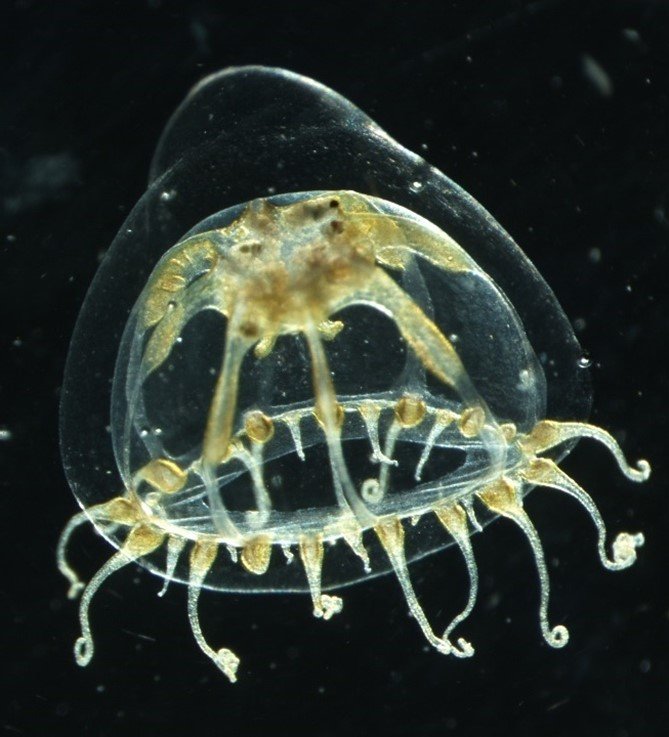
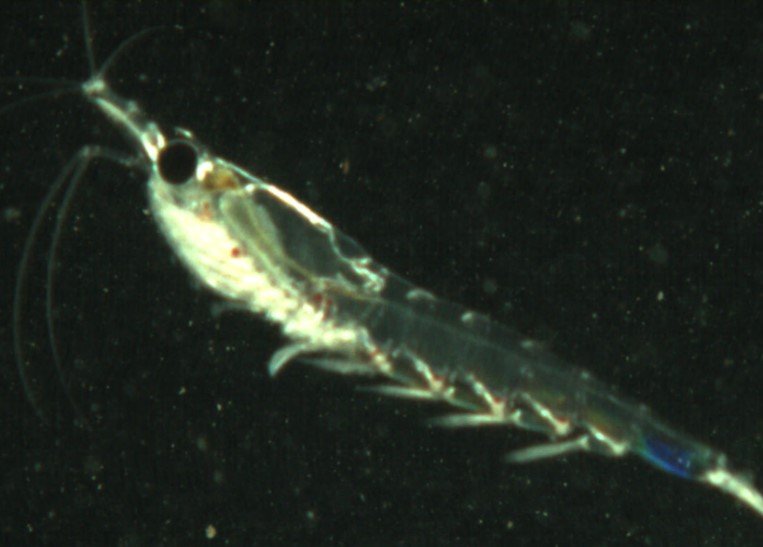
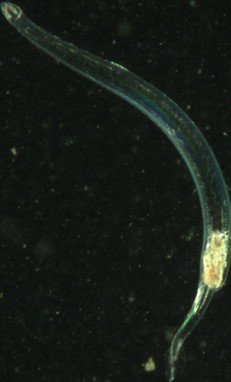
Plankton are an incredibly diverse group of organisms that inhabit oceans, lakes, and rivers. They range from microscopic bacteria and algae to small animals like crustaceans and gelatinous creatures. What unites them is their limited ability to swim against currents, leaving them to drift wherever the water carries them. Some species remain plankton for their entire lives, while others — including many fish and shellfish — are plankton only during their earliest developmental stages.

Despite their minuscule size, plankton are fundamental to life in the Pacific Ocean and the health of aquatic ecosystems.

Keeping Earth Habitable

Phytoplankton, the plant-like members of the plankton community, use sunlight to convert carbon dioxide and water into organic matter and oxygen through photosynthesis. Remarkably, they generate roughly half of the oxygen in Earth’s atmosphere.

They also play a major role in climate regulation. Through the biological pump, phytoplankton help transfer carbon from the atmosphere into the deep ocean, reducing atmospheric carbon dioxide and helping stabilize global temperatures over long timescales.

The Base of Aquatic Food Webs

Plankton sit at the foundation of nearly every aquatic food web. Phytoplankton produce the organic material that nourishes zooplankton, which in turn feed fish, seabirds, and marine mammals.

Countless species — from small fish and shellfish to the largest whales — depend directly or indirectly on plankton for survival. Plankton also support water quality by filtering particles and breaking down organic matter.

Economic Value

Because they underpin aquatic food webs, plankton are vital to pacific fisheries and the coastal communities that depend on them. Some species, such as krill and certain jellyfish, are harvested directly for food, aquaculture, and nutritional supplements.

Over geological time, plankton have even contributed to modern energy resources. The remains of ancient plankton that settled on the seafloor millions of years ago helped form today’s oil and natural gas deposits.

Cultural and Social Importance

Healthy plankton populations enhance recreation, tourism, and cultural experiences. Plankton blooms can influence activities like swimming and boating, while bioluminescent plankton create glowing waters that captivate visitors. Their intricate shapes and patterns have also inspired art, design, and scientific illustration across cultures.

Why Plankton Matter

Often overlooked, plankton are essential to life. They generate oxygen, regulate climate, support marine food webs, sustain economies, and enrich human culture. Protecting aquatic environments means safeguarding plankton — and the countless systems that rely on them.

Sayward Futures Society Seeks Volunteers

Sayward Futures Society is looking for enthusiastic volunteers this spring to help with trail maintenance and cleanup at several local Recreation Sites and Trails BC locations—including the beautiful Elk Creek area. Your support will be especially valuable in preparing trails for the upcoming Coastline Endurance Running Kusum Climb, ensuring participants and community members can enjoy safe, well‑maintained routes.

Volunteering is a wonderful way to spend time outdoors, breathe in some fresh coastal air, and connect with others who care about our natural spaces. It’s also a fun and active way to shake off winter, get your body moving, and contribute to the long-term health of the trails we all enjoy.

Whether you’re able to help for a single afternoon or you’re interested in volunteering regularly, every pair of hands makes a meaningful difference. Your time and energy directly support the stewardship of local recreation areas and help keep them accessible for everyone.

If you’d like to learn more or sign up to volunteer, reach out to volunteers@saywardfutures.ca.

Mount Cain Ready To Open

Winter has officially arrived, and Mount Cain is finally blanketed in fresh snow. Nearly 30 centimetres of cold, dry powder has fallen, transforming the hill into a winter wonderland.

While the snowfall is promising, it’s not yet enough for a safe opening. Earlier this week, bare ground stretched almost to the summit, and as a result, the planned opening on Saturday, December 20 has been postponed.

There’s still reason for optimism: forecasts call for continued snowfall over the next 24 hours. If conditions improve, Mount Cain could open on Sunday, December 21 for a short three‑day run leading into the Christmas break. Updates will be shared tomorrow via social media and email, so stay tuned.

Looking ahead to opening day, here are a few reminders:

  • Kids ski free all season: Children 12 and under can pick up a free pass at the ticket booth. Passes must be visible while skiing.
  • Seasonal child passes: Available for just $5 to cover printing costs, giving kids unlimited access all season.
  • Cash‑free convenience: Season passes can be loaded with funds and used at the ski shop and Cain Café. No need to carry cash or phones—just top up at the ticket booth whenever your balance runs low.

With fresh snow on the slopes and more in the forecast, Mount Cain is gearing up for a festive start to the season.

Sayward Appeals for Provincial Assistance in Assessing Watershed Landslide Risks

Local officials in the Village of Sayward and the Strathcona Regional District are asking the provincial government for support to assess landslide risks in the Newcastle Creek watershed, the community’s main source of drinking water.

A landslide in late October has continued to affect water quality, causing spikes in turbidity after heavy rainfall. While Sayward’s treatment system remains fully operational and meets safety standards, officials say the long‑term impacts of the slide are still uncertain.

To better understand the risks, the Village and regional district are requesting technical and financial assistance to conduct a comprehensive geotechnical and environmental study. The assessment would examine slope stability, sediment movement, and overall watershed health to determine whether future landslides could threaten water quality or infrastructure.

If approved, the study would likely use advanced tools such as LiDAR mapping, which can detect subtle terrain changes and pinpoint areas vulnerable to instability. Officials say this data would be critical for identifying mitigation measures and ensuring the watershed’s resilience.

Since the slide, municipal staff and emergency personnel have closely monitored conditions and managed water operations. Residents have been asked to conserve water during periods of high turbidity, and local leaders have praised the community’s cooperation.

Although service has not been interrupted, the incident underscores the challenges small communities face when natural events threaten essential infrastructure. Sayward officials stress that provincial support is vital to properly identify and address risks before they escalate.

They have pledged to keep residents updated as the situation evolves, emphasizing that public safety and the reliability of the water supply remain top priorities.

Carihi Secondary and Sayward Elementary Collaborate on Zombie Film

The hallways of Sayward Elementary School were transformed into the set of a zombie movie as students from two Vancouver Island schools joined forces on a collaborative short film project.

Over two days, Carihi Secondary School’s video production class filmed Safe Zone: A Zombie Film at the elementary school. Younger students stepped into acting roles as zombies, while their older counterparts took charge of directing, cinematography, camera operation, and other behind-the-scenes responsibilities.

Educators say the project offered valuable hands-on learning and mentorship opportunities, giving secondary students the chance to lead a full-scale production while introducing elementary students to the world of filmmaking. The collaboration also aimed to strengthen ties between the two school communities, helping younger students feel more connected as they prepare for future transitions to higher grades.

Administrators noted the project sparked enthusiasm and excitement, particularly among older elementary students, creating a positive and engaging experience within the school.

Student crew members described the production schedule as intense but rewarding, highlighting the challenge of completing a film within such a short timeframe.

The finished project premiered on November 13 at the Timberline Secondary School theatre, showcasing the talents of student actors and crew across roles ranging from sound and cinematography to makeup and production support.