Obituary – Bertram “Kim” Sachts

October 13, 1935 – August 21, 2025

Bertram “Kim” Sacht, a man marked by fearless curiosity and confidence, passed away on August 21, 2025, at the age of 89. Born in Rock Bay Hospital on October 13, 1935, to Louis Frederick Sacht and Anna Ethel Kelsey, Kim was the brother of Frances, Dorothy, and Lawrence, all of whom predeceased him.

Growing up in the Sayward Valley as part of a pioneer logging family, Kim left school after Grade 11 to follow in his father’s footsteps. He devoted over fifty years to the logging industry, participating in numerous successful operations across Vancouver Island, the mid-B.C. Coast, and the Interior.

From his youth, Kim loved the outdoors—he fished, hunted, gardened, sailed, and explored. Over his lifetime he journeyed widely, travelling through Mexico, Cuba, New Zealand, Africa, and throughout British Columbia in search of new adventures and excellent fishing.

In 1956 he met Judith Kathleen Richardson of Comox, who had come to Sayward to teach. They married on July 6, 1957, and over the next eight years they had five children: Kathleen Dorothy (married Steve Logan), Jane Leslie (married Morey Walker), Roger Louis (married Sheila Martin), Timothy Kelsey (married Susan Vegh, then Rita Barchard), and Arnold Benjamin. After Judy’s death in 1983, Kim married Bonnie Denis in 1984, and later Anne Halliday in 2010.

Kim is survived by his grandchildren—Ky, Ben, Amiel, Lyahna, Kelsey, Ian, Adam, and Claire—and his great-grandchildren Lexus, Keon, Tajai, Oliver, Juliette, and Ellyrah.

A lifelong learner, Kim was an avid reader with books always stacked by his favourite chair. He subscribed to numerous magazines, loved hosting dinner parties, appreciated a cold beer or a glass of red Chilean wine, and enjoyed dancing—jive, square, round, waltz, fox-trot—all with grace. Theatre, live music, and movie nights out were among his pleasures. His work ethic and determination to see things through inspired all who knew him. Once asked what, if anything, he would do differently in his life, he replied, “Nothing—just make different mistakes.”

Kim’s family extend deep gratitude to the caregivers at Nicola Ward, Third Floor, The Hamlets—truly extraordinary people.

A celebration of Kim’s life will be held at the Vernon Golf and Country Club on September 27, 2025 from 2:00 to 4:00 p.m. For more information, please contact Kathleen at 250-307-5409

Image source: Castanet

Entangled Humpback Whale Rescue Successful Near Vancouver Island

Image Credit: Department of National Defence

On August 27, 2025, a humpback whale in distress was discovered tangled in a buoy-and-line system in the Strait of Georgia. The sighting occurred around 10:15 a.m., when Mickael El-Hachem, a crew member aboard the Canadian Forces Auxiliary Vessel Stikine, noticed an unusual movement in the water—what first appeared to be a drifting buoy turned out to be a whale ensnared roughly two nautical miles northeast of Area Whiskey Golf.


Swift Response & Coordinated Action

By 10:30 a.m., the entanglement was confirmed. Captain Bill Lawrenuk, commanding officer of Stikine, promptly notified Lieutenant (Navy) Donald MacDonald, Range Officer, and Melina Sorensen, Environmental Officer. Sorensen reached out to Fisheries and Oceans Canada (DFO), which quickly mobilized Marine Mammal Coordinator Paul Cottrell and two fisheries officers to assist.

Commander Craig Piccolo, CFMETR’s commanding officer, ordered all Stikine operations to pause, placing the rescue mission at top priority. The vessel remained on-site, tracking the whale’s movements and behavior from a safe distance.


Rescue Mission & Recovery

DFO teams arrived at approximately 12:45 p.m. and, after evaluating the situation, collaborated with the Stikine crew to formulate a safe disentanglement strategy. Additional support came from Ranger 3, a CFMETR security vessel, dispatched at DFO’s request.

By 4:00 p.m., the whale was successfully freed from the fishing gear. Officials reported the animal was in stable condition following the operation.


Why It Matters

This rescue showcases the power of rapid, cross-agency coordination between CFMETR and DFO. It’s a testament to their shared dedication to marine conservation and environmental responsibility. the word.

Listen to This Story

New Wild Fire Between Campbell River And Sayward Classified As Out Of Control

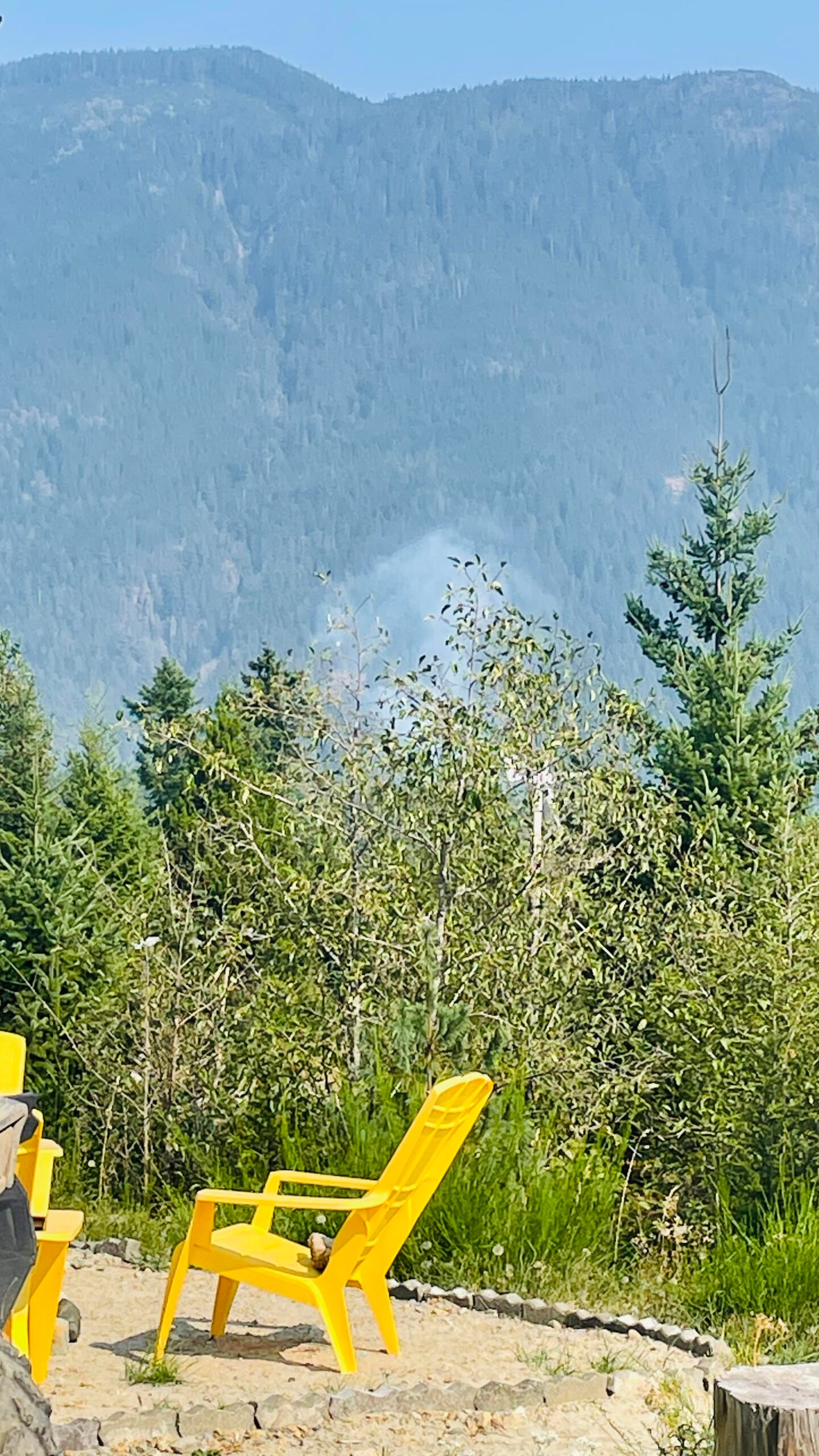
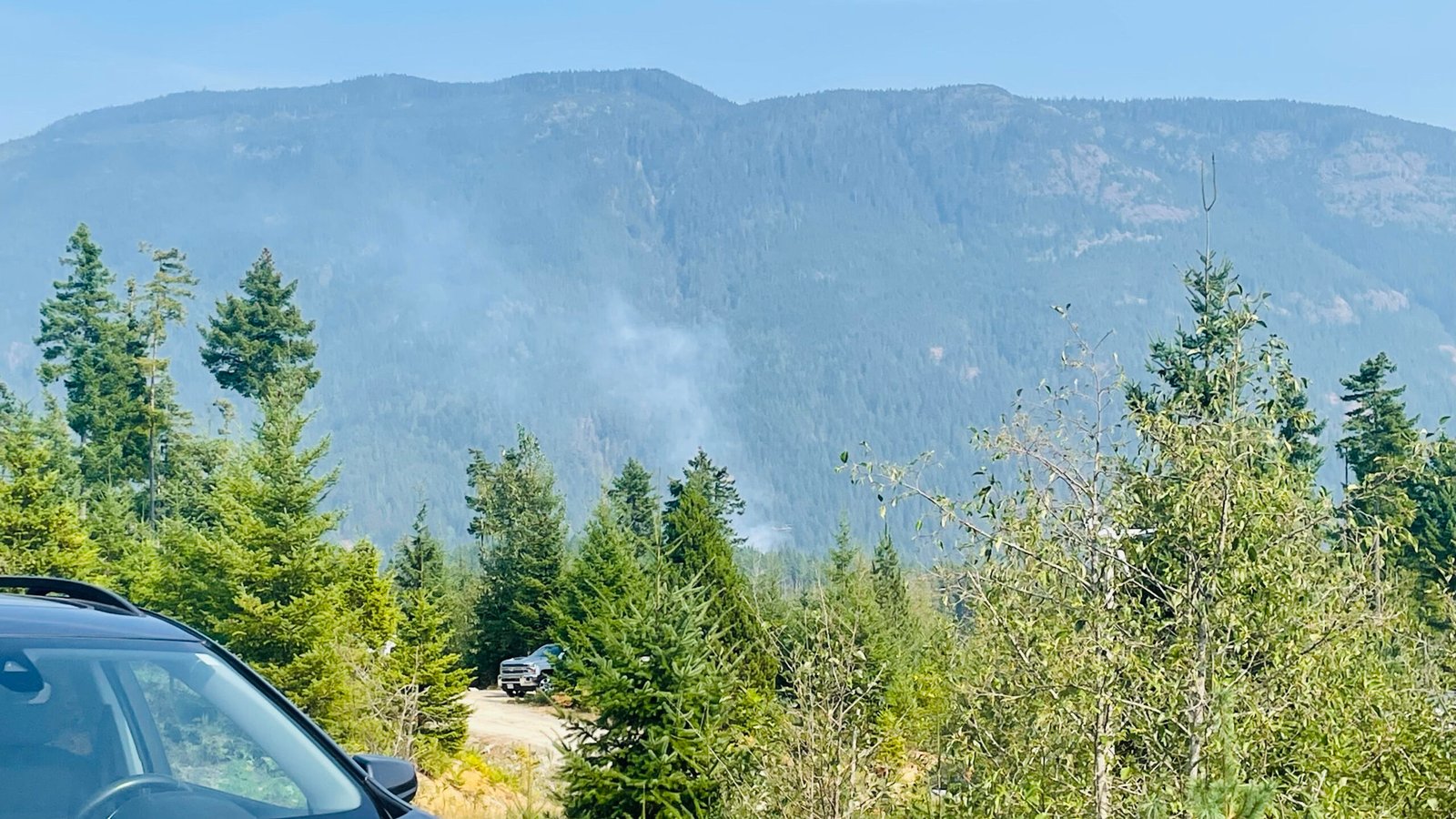
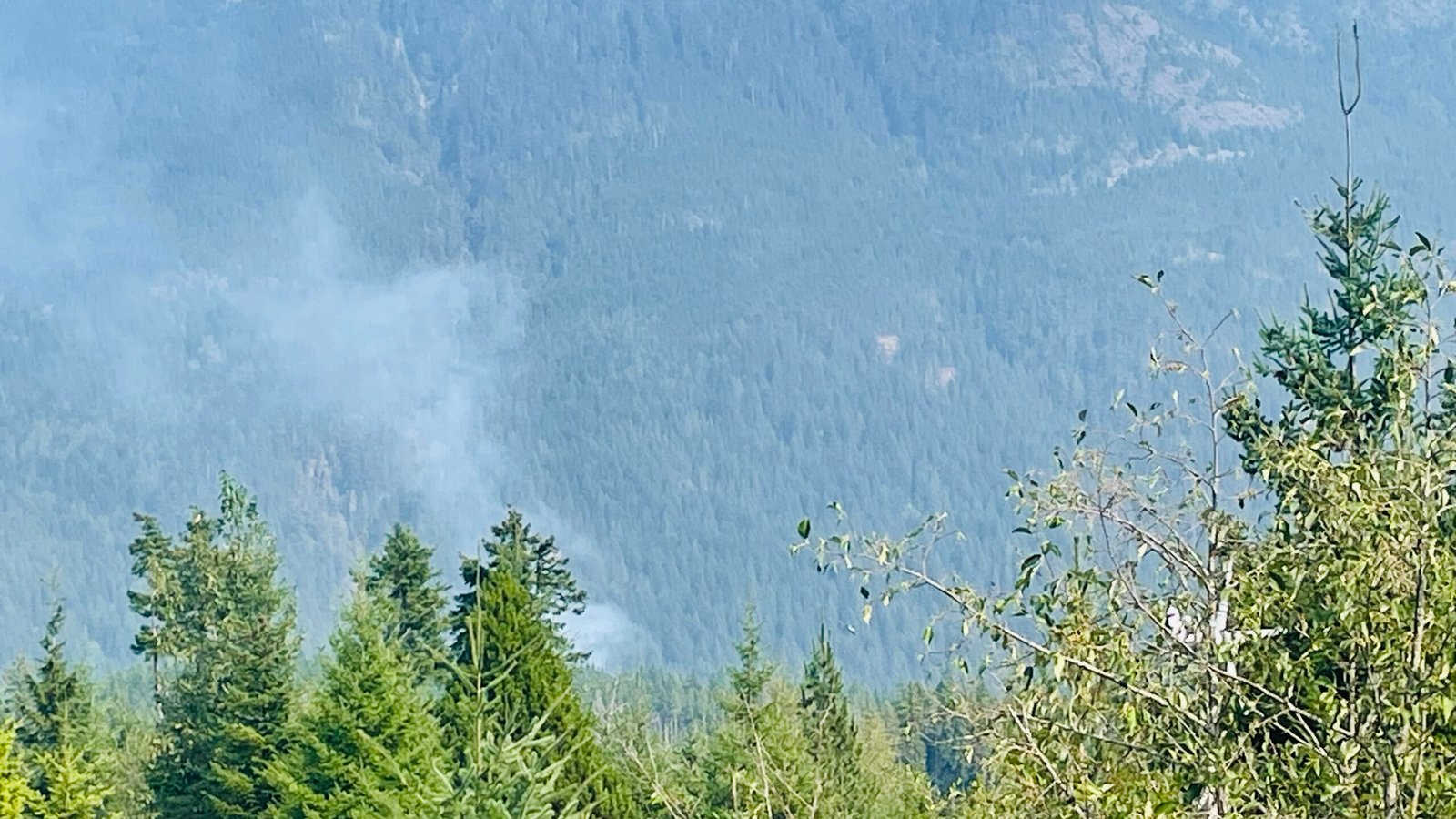
BC Wildfire Service is responding to an out of control wildfire between Campbell River and Sayward, BC. Designated as V81996, the fire is currently reported to be 0.3 hectares in size with no control lines established yet. The fire was first reported on September 6, 2025 with the latest update from BC Wildfire Service at 4:16pm. You can follow the updates from BC Wildfire Service here.

There is a helicopter and bucket working the fire from Roberts Lake at time. Highway traffic remains unaffected so far.

Phone Services Disrupted Across Northern Vancouver Island Following Vandalism

Residents in parts of northern Vancouver Island continue to experience widespread service disruptions affecting landline phones, mobile, internet, and even 911 emergency access.


Scope of the Outage


The outage has been confirmed by telecom provider Telus, which attributes the service breakdown to deliberate vandalism that “damaged infrastructure” in affected areas, including Port McNeill and Port Hardy. The disruptions extend to internet, mobile, home phone, and 911 landline services. 


Additional communities such as Alert Bay, Campbell River, and Port Alice have also seen impact from the outage. 


Emergency Response and Precautions


Emergency Info B.C. has urged residents to continue attempting to call 911 during emergencies, but also cautions that landline service may not be reliable. In such cases, people are advised to seek help from neighbors or nearby individuals. 


Summary


Cause: Telus infrastructure damage due to vandalism.


Impacted Services: Landline phone, mobile, internet, and 911 landline.


Affected Areas: Port McNeill, Port Hardy, Alert Bay, Campbell River, Port Alice.


Emergency Recommendation: Attempt to call 911; if unsuccessful, seek in-person assistance.

Back-to-School Road Safety: Speed Limits and School Bus Awareness

As summer winds down and students return to class, drivers are reminded to take extra care on the roads. Back-to-school season means more children walking, biking, and riding buses, making road safety more important than ever. Here are two critical reminders for all motorists: school zone speed limits and school bus stopping rules.


School Zone Speed Limits


School zones are designed to protect children traveling to and from school. Speed limits in these areas are significantly reduced during posted hours, often 30 km/h in many communities. Slowing down gives drivers more time to react if a child unexpectedly steps onto the road.


Always watch for posted signs — school zone hours may vary by community.

Stay alert for crossing guards and crosswalks.

Anticipate sudden movements. Children are smaller, harder to see, and may not always follow traffic rules.

By easing off the accelerator, you’re giving kids the space and safety they need.


Stopping for School Buses


School buses use flashing lights and a stop sign arm to signal that children are getting on or off. When those lights are flashing:

Drivers in both directions must stop on an undivided road.

Do not pass the bus until the lights have stopped flashing and the stop arm is retracted.

Leave plenty of space. Children may cross the road unexpectedly in front of or behind the bus.

These rules are in place because kids are most at risk when they’re getting on or off the bus—not while they’re riding it.


Why It Matters


A few extra seconds of patience can prevent a tragedy. Fines for speeding in school zones or passing a stopped school bus are steep, but the real cost is the safety of our children.


As the school year begins, let’s all commit to safer driving habits. Slow down, pay attention, and always stop for flashing school bus lights. Every child deserves a safe trip to and from school.


Northern Resident Orca I76 Passes Away in Johnstone Strait, With Family and Dolphins at His Side

In a deeply moving scene that touched researchers and whale watchers, a well-known Northern Resident killer whale, I76, died in Johnstone Strait on Sunday, August 17, 2025. The 28-year-old male was surrounded by his close family and a group of dolphins during his final hours, a moment witnesses described as both heartbreaking and profound.

Marine biologist Jared Towers, executive director of Bay Cetology, was called to the area after reports that I76 appeared weak and emaciated. He was located near the entrance to Blackney Pass on the Vancouver Island side of the strait. Close by were his 45-year-old mother, I4, his 22-year-old sister, and his young nephew. As I76 slipped beneath the surface for the last time, dolphins circled the pod, remaining with them through the final moments.

“I’ve had to change the official status of many Northern Resident orcas from alive to deceased over the years, but I have never watched one pass until this day,” Towers shared in a heartfelt social media post. He reflected on years of observing I76 socializing, foraging, and playing, recalling one especially vivid memory from July 2024: “He was healthy then, chasing a big salmon past my boat. I like this memory of him, and like to think he enjoyed that moment too.”

OrcaLab researchers also documented the event, noting the quiet, grief-like behavior of I76’s family and the dolphins that lingered motionless around them until his final breath. Helena Symonds of OrcaLab described the moment as profoundly sad, with the family remaining in place before beginning to vocalize.

Northern Resident killer whales are known for their lifelong family bonds. They feed primarily on Chinook salmon and are currently listed as “threatened” under Canada’s Species at Risk Act, facing challenges such as declining prey, pollution, and vessel traffic.

I76’s death is a significant loss for the Northern Resident community, a population of more than 200 whales across 34 pods ranging from northern Vancouver Island to southeast Alaska. His passing is a poignant reminder of both the fragility of these iconic whales and the importance of continued conservation efforts.