Kelsey Bay and Johnstone Strait Pictures September 6th 2026
Kelsey Bay and the Johnstone Strait was a busy hub of commerce and pleasure on this sunny Sunday, September 6th, 2026.
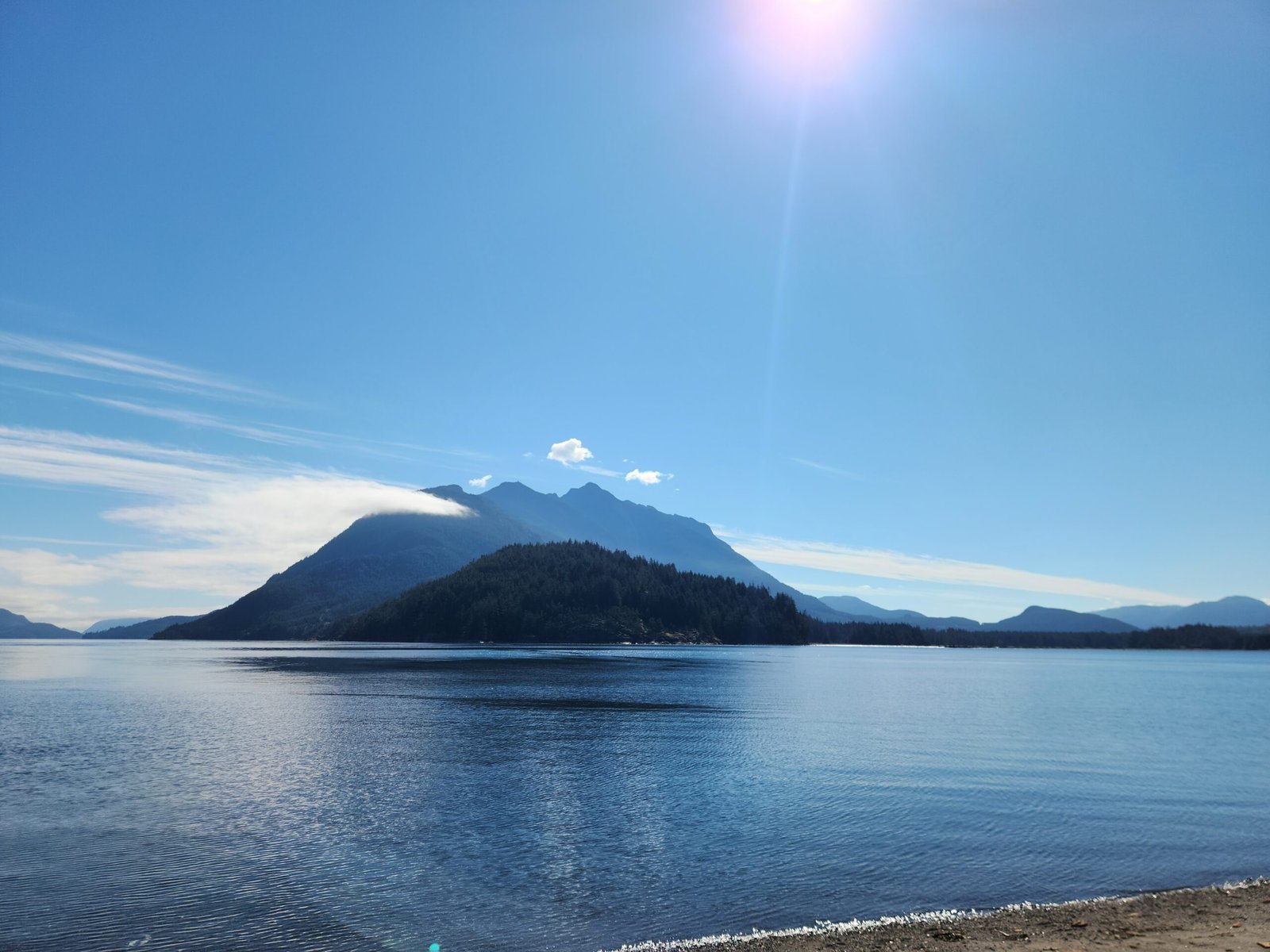
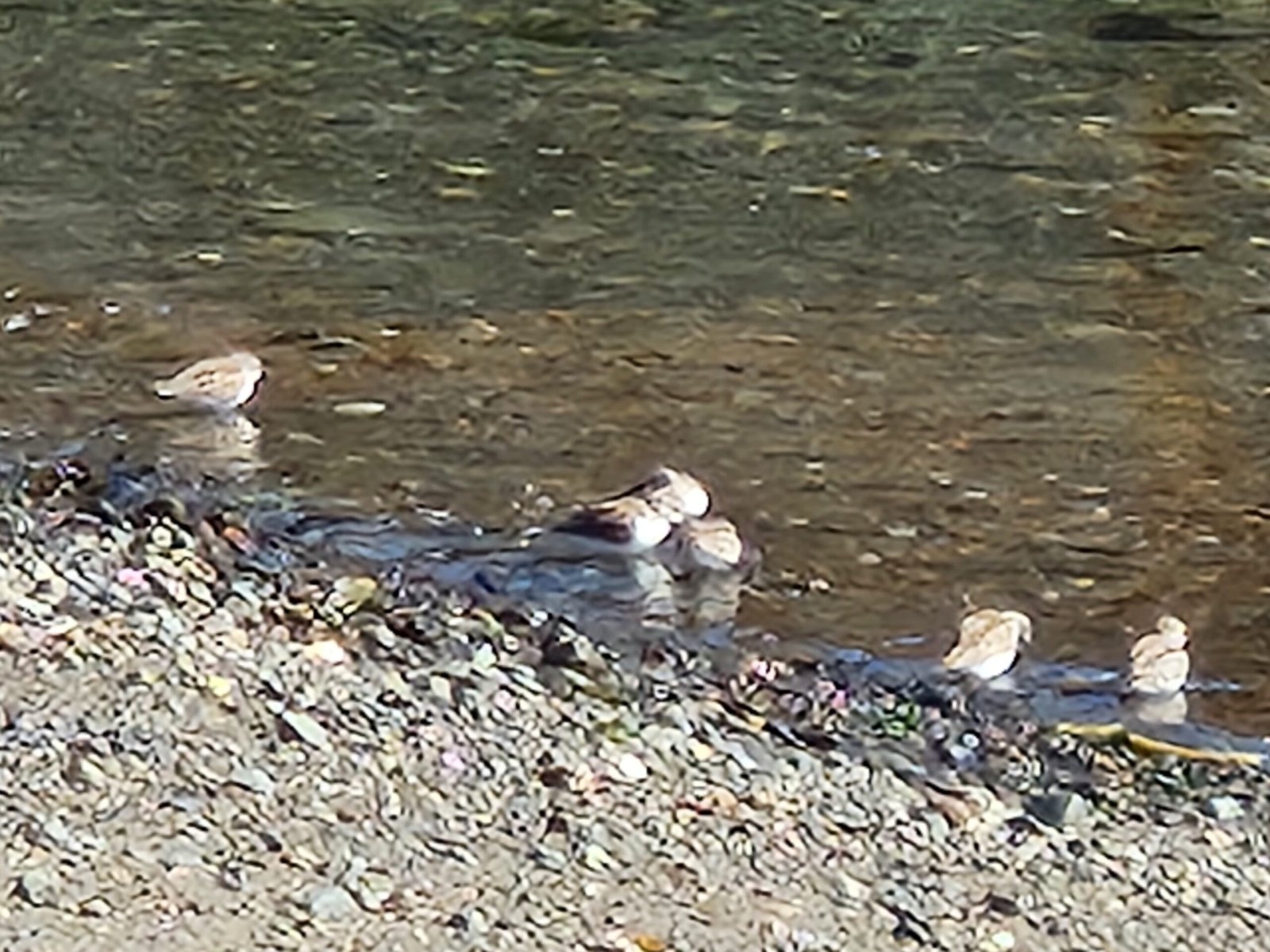
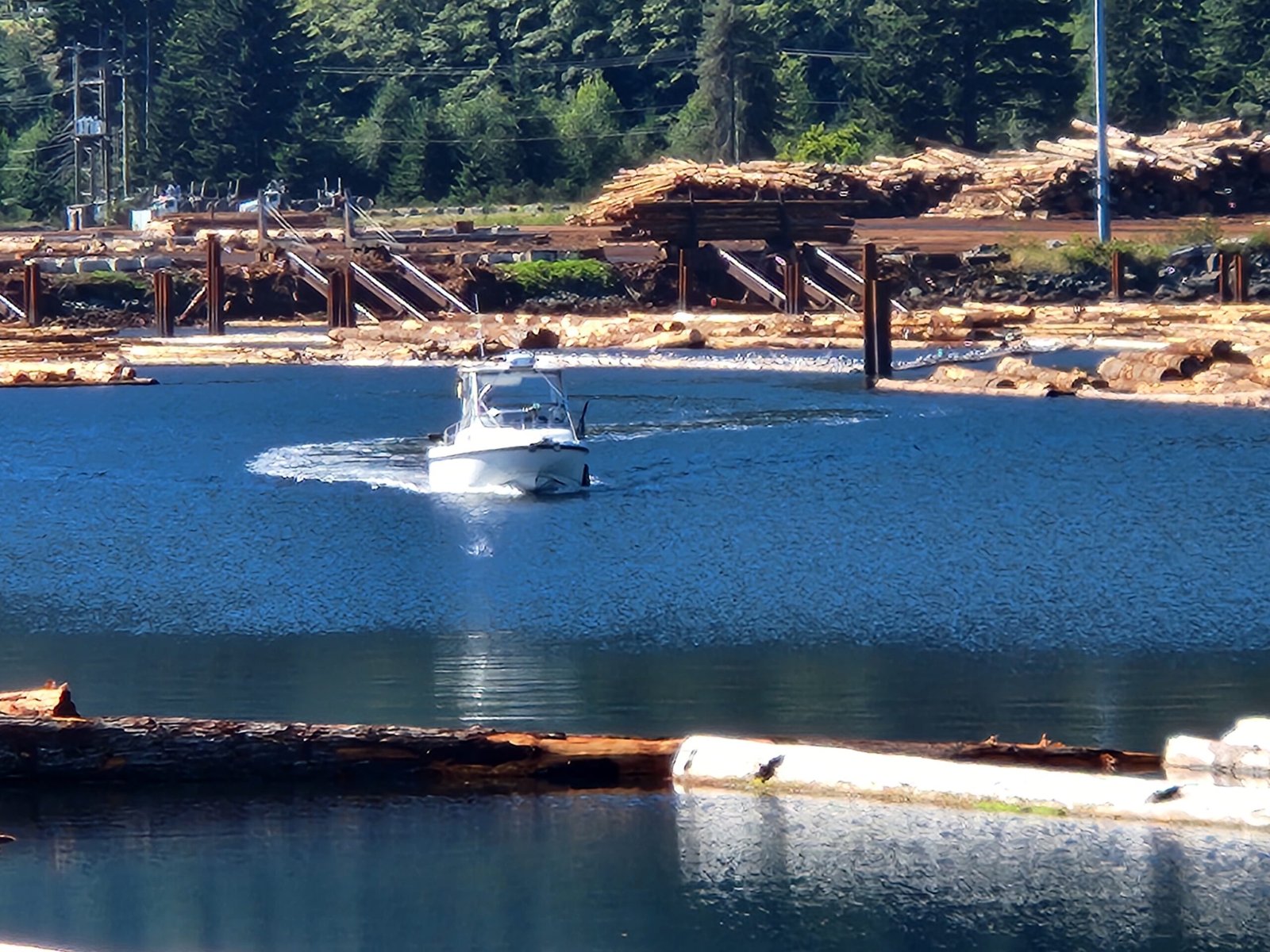
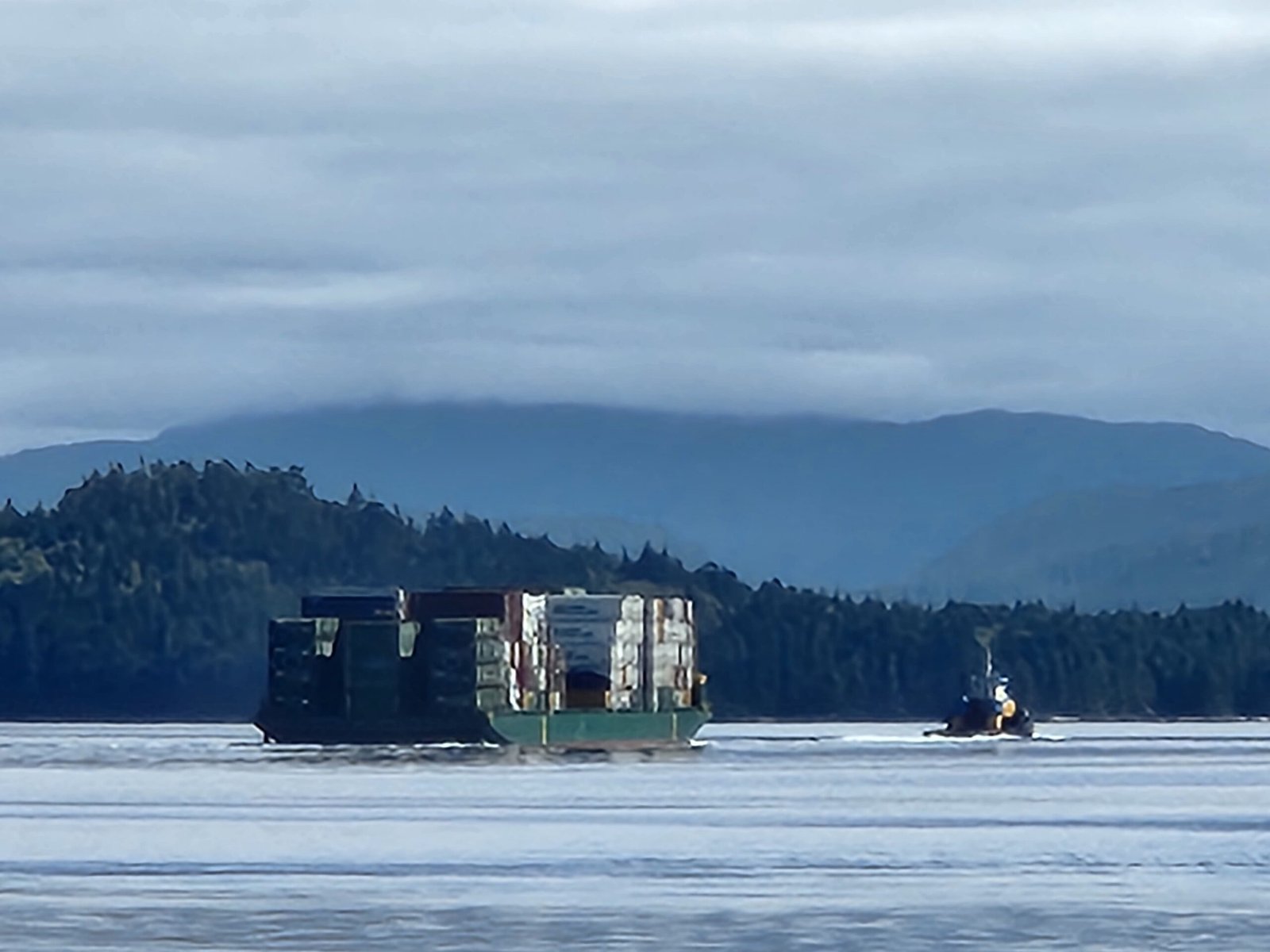
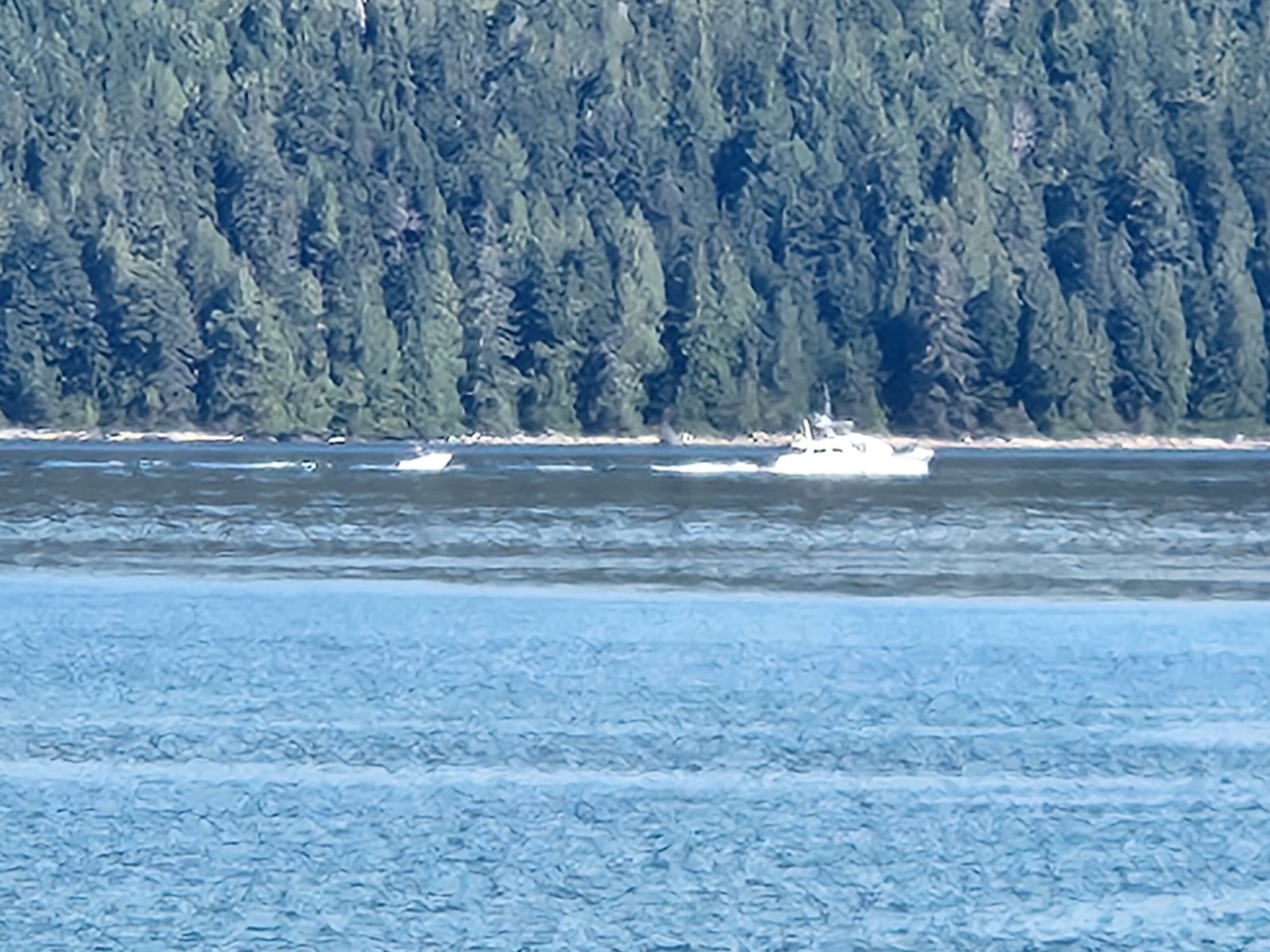
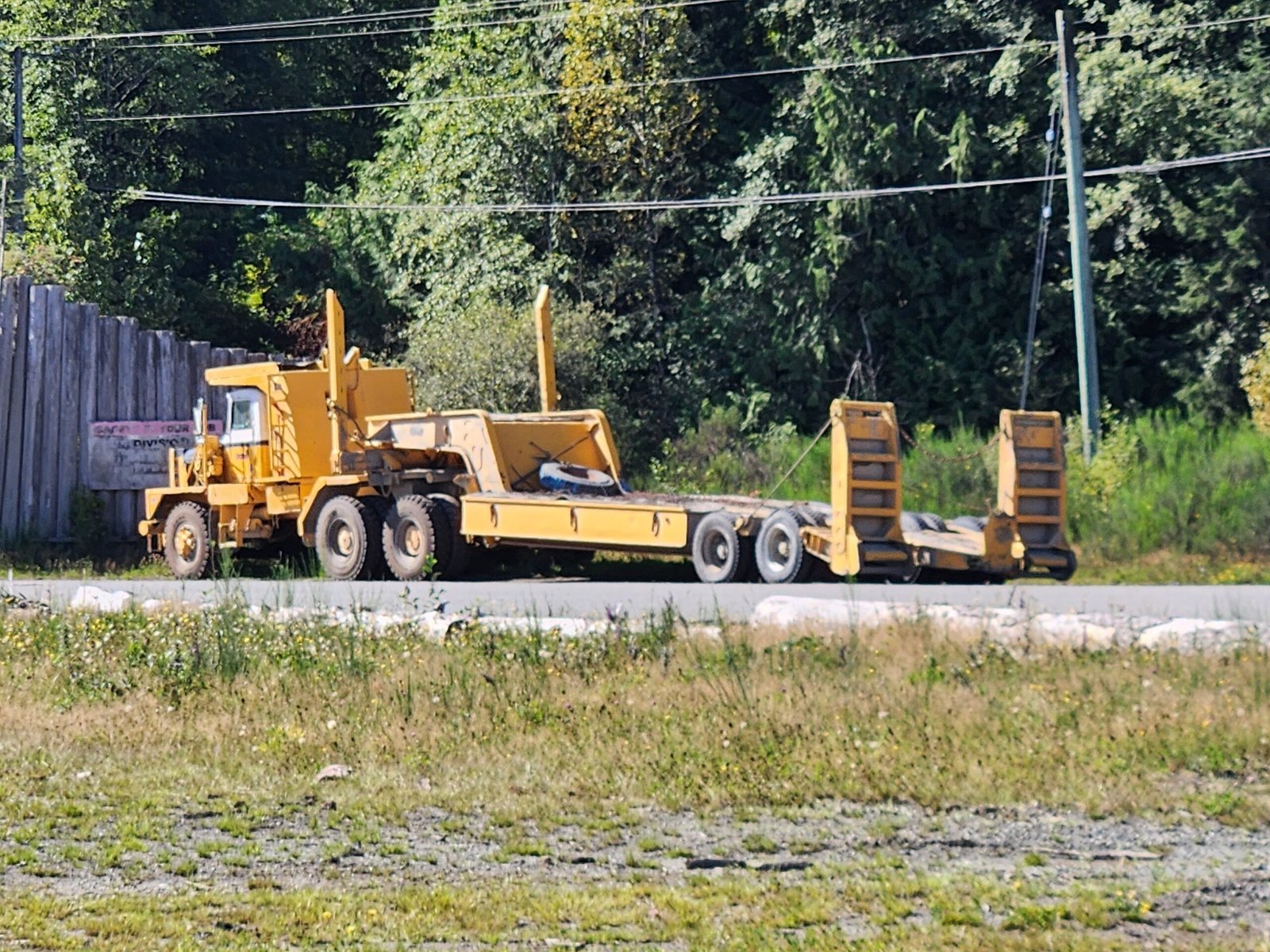
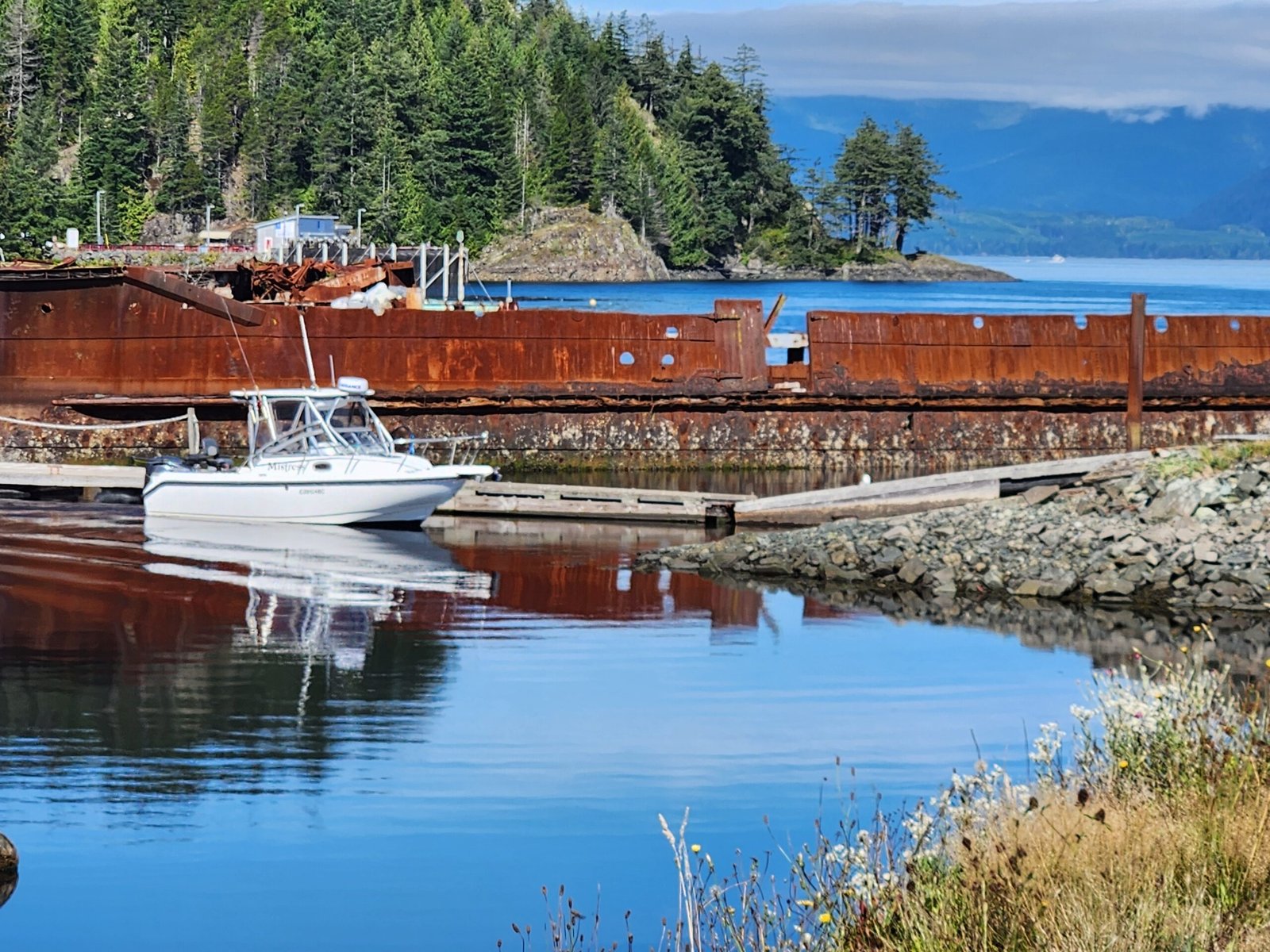
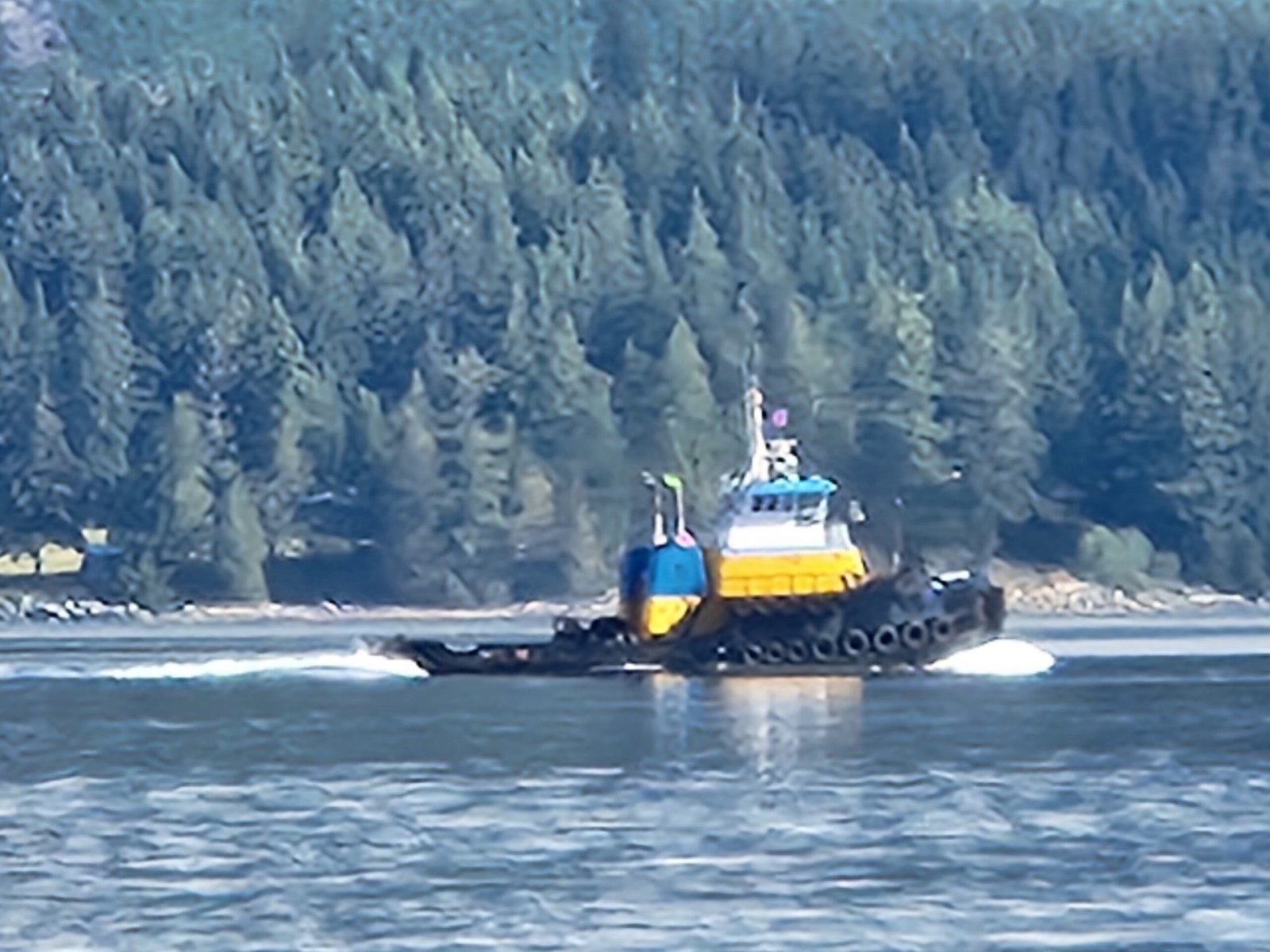
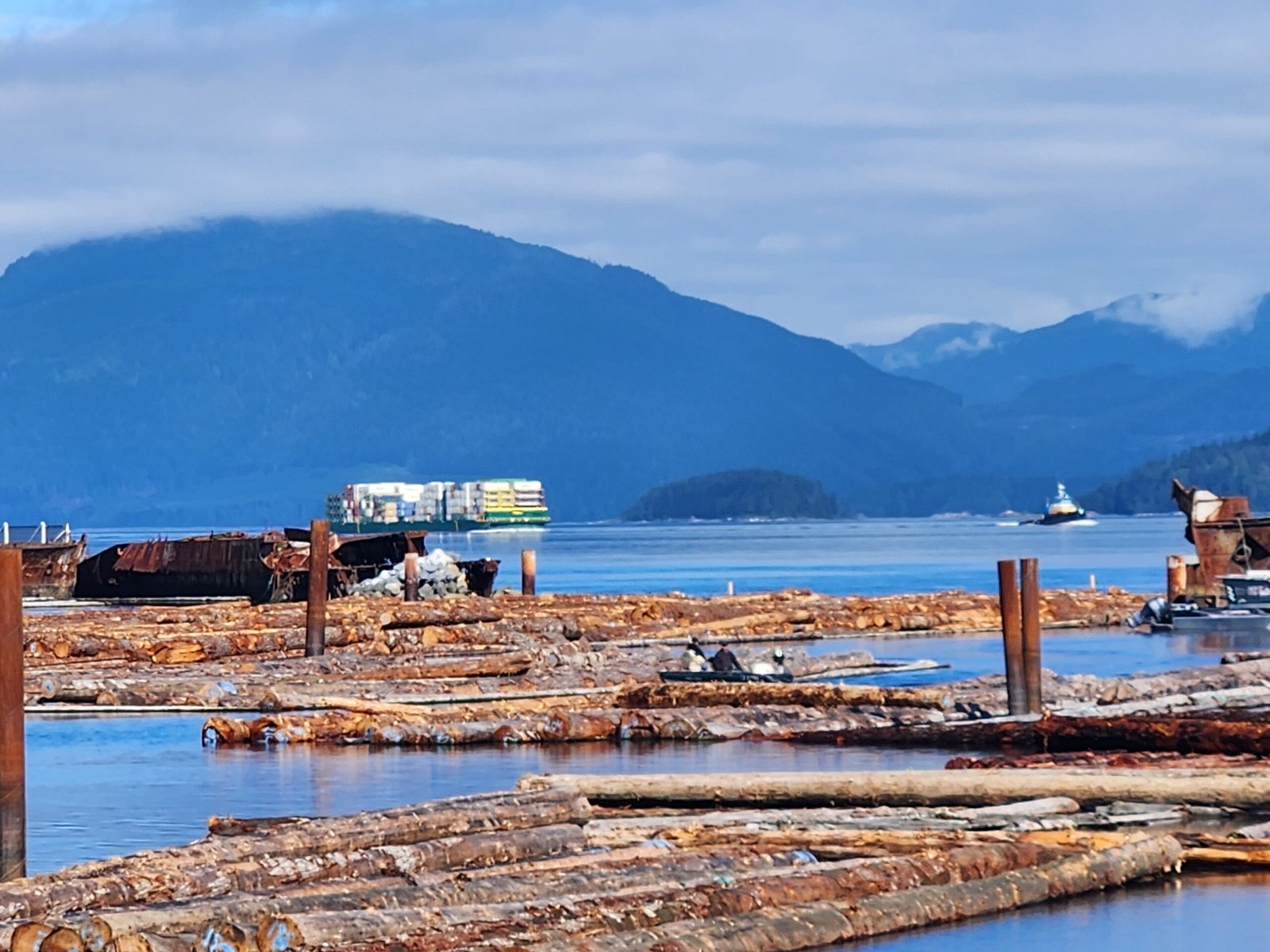

Kelsey Bay and the Johnstone Strait was a busy hub of commerce and pleasure on this sunny Sunday, September 6th, 2026.
There’s something quietly powerful about old bulletin clippings—those small, grainy windows into everyday lives that rarely make it into history books. This one, pulled from an old Beavertails Bulletin, captures exactly that kind of moment: a man, a place, and a way of life mid-transition.
The photo shows Vern Skogan, seated outdoors, wearing a cap and dark glasses, framed by what looks like a rugged, working landscape. The image itself feels weathered, almost as if it absorbed the same elements Vern likely did—wind, dust, long days. It’s not posed in any modern sense. It’s practical. Functional. Honest.
The caption does most of the storytelling.
Vern is identified as a “Charge Hand at the dryland sort,” which already situates him firmly within the logging industry. This isn’t just a job—it’s part of a generational thread. His father, who lived to 99, was among the original settlers in the Sawmill Valley and worked as a logger too. That detail alone stretches the story back decades, hinting at a time when the valley was being carved—both literally and figuratively—out of wilderness.
But what stands out most is not the past—it’s the change.
Vern reflects on how the townsite has shifted in recent years. Farming, once a cornerstone of the valley, has largely disappeared. Logging has taken over as the primary livelihood, supplemented slightly by commercial fishing. It’s a familiar story in many rural regions: industries evolve, economies pivot, and communities reshape themselves around what remains viable.
Yet Vern doesn’t sound bitter. There’s no romanticizing of the “good old days,” at least not in the way we might expect when looking back from the present. In fact, he says something strikingly pragmatic: “We live a lot better these days than we used to do years ago, despite people’s memories.”
That line cuts through nostalgia.
It challenges the idea that the past was inherently better. Vern acknowledges progress—material improvement, perhaps stability—even as he recognizes that people tend to remember things differently. Memory, after all, edits out the hardship and keeps the sentiment.
And then comes the final line, simple but firm: “You can’t return to the past.”
There’s no drama in it. No regret. Just acceptance.
This small clipping becomes more than a record of one man’s life. It’s a snapshot of a community in transition and a reminder of how people adapt. Vern stands at the intersection of generations—his father’s pioneering era behind him, his son working alongside him, and a changing economy unfolding in real time.
In a way, the most modern thing about this decades-old clipping is its message. We still wrestle with the same tension today: holding onto what was, while navigating what is.
And like Vern, whether we admit it or not, we’re all living somewhere in between.
Sport fishing on Vancouver Island — a long‑standing tradition and an economic anchor for communities like Sayward — is facing renewed uncertainty as the federal government moves ahead with major changes to salmon‑fisheries management.
Ottawa is rewriting salmon policy and regulations with a stronger focus on conservation and Indigenous‑led management. While many agree that protecting declining salmon stocks is essential, anglers, guides, and coastal communities worry the new approach could sharply restrict recreational fishing without addressing the deeper causes of salmon decline.
For Sayward, where sport fishing supports local businesses, tourism, and family traditions, the potential impacts reach far beyond the docks.
The federal government has signalled that recreational salmon fishing could face tighter limits, shorter seasons, or expanded closures as part of a broader overhaul of fisheries management. These measures are intended to prioritize conservation and food fisheries, particularly for Indigenous communities. But critics say the approach risks sidelining the sport‑fishing sector.
Anglers note that recreational fishing already operates under strict rules — including size limits, seasonal openings, gear restrictions, and catch limits. Many feel additional restrictions unfairly target sport fishers while larger pressures on salmon — such as habitat loss, warming oceans, predation, and industrial impacts — remain insufficiently addressed.
In Sayward, sport fishing is more than a hobby. It supports charter operators, lodges, restaurants, fuel docks, marinas, and local retailers. Visiting anglers bring crucial seasonal income, especially during the summer months when tourism helps sustain small businesses.
Residents also rely on recreational fishing for food and as a way to stay connected to the water. For many families, fishing is part of their identity — a tradition passed down through generations.
Any reduction in fishing opportunities could ripple through the community, making it harder for businesses to stay afloat and for residents to maintain the coastal lifestyle that defines the region.
Most anglers in Sayward support conservation and recognize the serious pressures facing salmon stocks. But many question whether focusing on recreational fishing will meaningfully improve salmon returns if larger issues remain unresolved.
Habitat degradation, blocked fish passage, warming rivers, poor marine survival, and predation are often cited as more significant drivers of salmon decline. Critics argue that without stronger action in these areas, restricting sport fishing risks becoming symbolic rather than effective.
There is also concern about uneven impacts. While industrial activities and large‑scale pressures continue, small coastal communities fear they will bear the brunt of policy changes that reduce access to a resource they depend on.
Fishing groups and coastal residents are urging Ottawa to slow down and consult more closely with communities like Sayward before finalizing new rules. They want decisions grounded in transparent science, local data, and a clear understanding of how policy changes affect rural economies.
Many are calling for a balanced approach — one that recognizes sport fishing as both a cultural tradition and an economic contributor, rather than treating it as expendable.
As Ottawa continues reshaping salmon management, Sayward residents will be watching closely. The outcome could determine not only the future of recreational fishing, but also the health of local businesses and the character of the community itself.
For many here, the message is clear: protecting salmon is essential — but conservation efforts must include the people and communities who have relied on these waters for generations. Decisions made far from the coast should not come at the expense of rural livelihoods unless there is clear evidence they will truly help salmon recover.