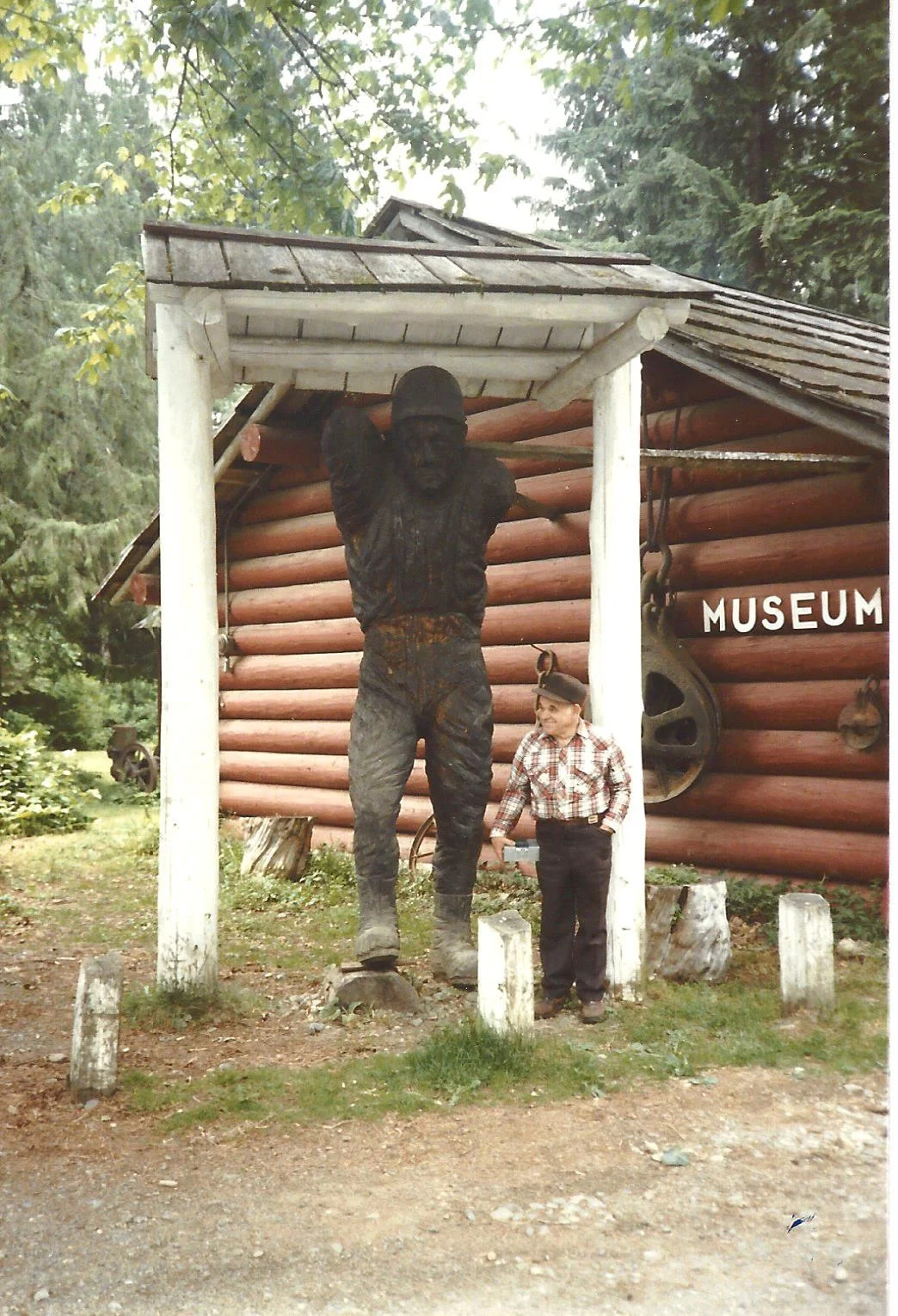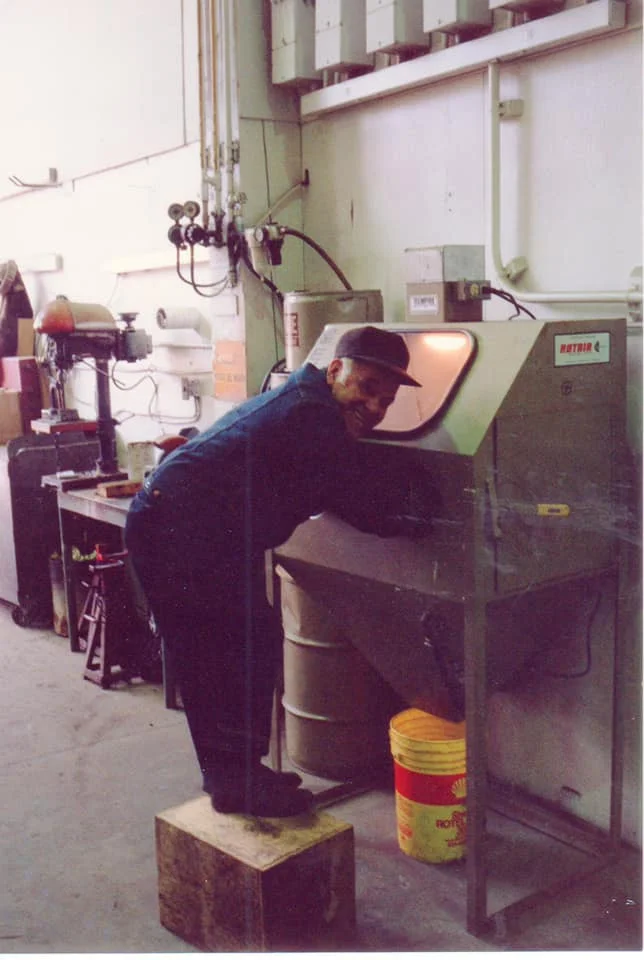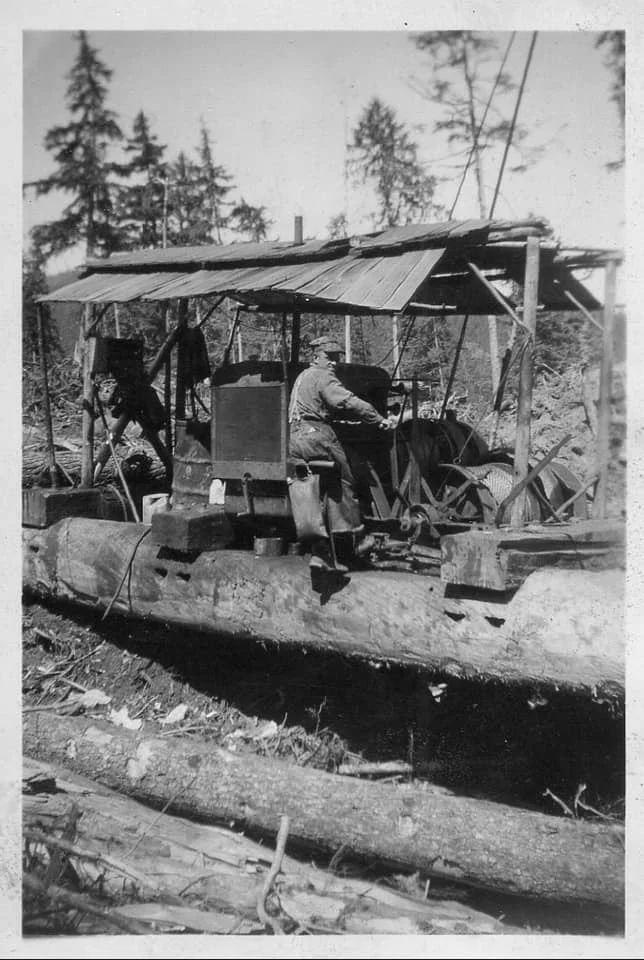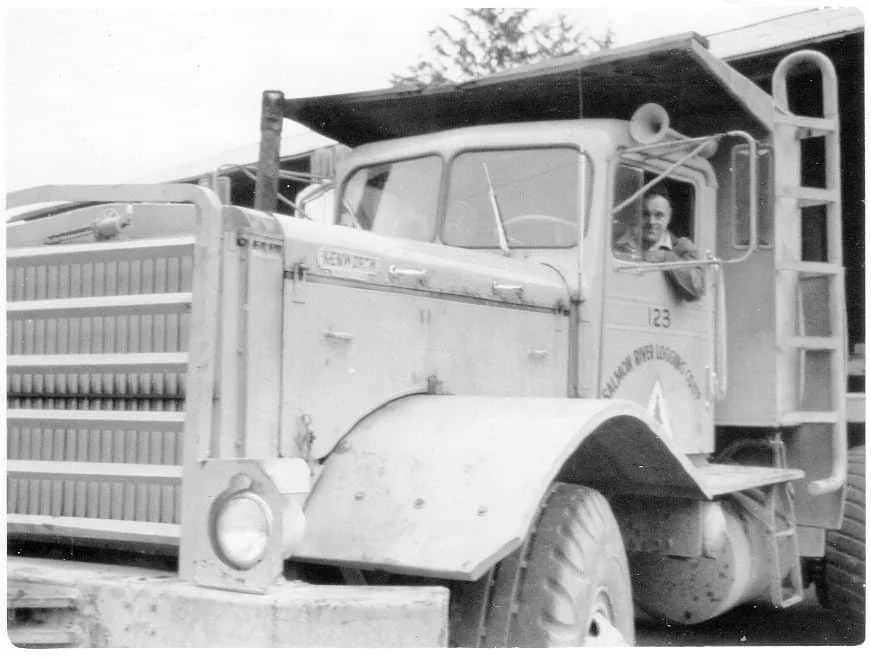
Sayward Valley Rail Logging Circa 1930s

Rail Logging in the Sayward Valley: Life and Industry in the 1930s

In the 1930s, the forests of the Sayward Valley echoed with the sound of steam whistles, iron wheels and falling timber. Long before modern logging trucks and highways, railways were the backbone of the coastal logging industry—and nowhere was that more evident than in this rugged stretch of northern Vancouver Island.

The Rise of Rail Logging on Vancouver Island

By the early 20th century, companies operating in Vancouver Island had one major challenge: how to move massive old-growth logs out of dense, remote forests. The answer was rail.

Logging railways—often temporary, rough-built lines—were pushed deep into the bush. Steel tracks snaked through valleys, over creeks, and around steep grades, allowing steam locomotives to haul enormous logs to coastal booming grounds.

In the Sayward Valley, this system became essential. The terrain was steep, heavily forested, and often inaccessible by road, especially in the 1930s when infrastructure was limited.

Steam, Steel, and Cedar Giants

At the heart of the operation were small but powerful steam locomotives, many of them built specifically for logging. These engines hauled flatcars loaded with Douglas fir, western red cedar, and hemlock—trees that had stood for centuries.

The logs themselves were staggering in size. Some measured several feet in diameter and required specialized equipment just to load. Crews used spar trees, cables, and steam-powered winches to drag timber from where it fell to the rail line.

From there, trains carried the logs out of the valley toward coastal hubs, where they were sorted, bundled, and floated to mills.

A Moving Industry

One unique aspect of rail logging was its mobility. Unlike permanent railways, logging lines were constantly shifting.

As an area was cut over, crews would:

  • Pull up rails and ties
  • Move them further into untouched forest
  • Rebuild the line to access new timber

Entire camps moved with the work. What existed one year might be gone the next, leaving behind only traces—old grades, rusting المعدات, and the occasional artifact.

Life in the Logging Camps

The men who worked these operations lived in remote camps scattered throughout the valley. Life was physically demanding and often dangerous.

A typical camp included:

  • Bunkhouses packed with workers
  • A cookhouse serving hearty, high-calorie meals
  • Blacksmith shops and repair sheds
  • Rudimentary medical facilities

Days were long, and the work—felling trees, handling cables, operating machinery—came with constant risk. Yet these camps also had a strong sense of camaraderie. In isolated conditions, workers relied heavily on one another.

The Role of Companies and Expansion

Large logging firms, including operations tied to Comox Logging & Railway Company, played a major role in developing rail infrastructure in the region. Their investments helped expand access to timber and connect remote valleys like Sayward to coastal shipping routes.

These companies didn’t just harvest timber—they built entire industrial ecosystems in the forest.

Decline of Rail Logging

By the mid-20th century, rail logging began to fade. Improvements in road-building and the introduction of powerful logging trucks made rail less practical.

Roads were more flexible, required less setup, and could reach areas without the need to lay track. Gradually, the rails were pulled up, and the locomotives fell silent.

What Remains Today

Today, the Sayward Valley still holds quiet reminders of its rail logging past:

  • Overgrown rail grades cutting through the forest
  • Old trestle foundations near creeks
  • Scattered iron relics hidden beneath moss and ferns

A Legacy Carved in Wood and Steel

Rail logging in the Sayward Valley wasn’t just an industry—it was a way of life that shaped the region’s identity. It connected remote lumber to global markets, powered local economies, and left a lasting imprint on the landscape.

Though the tracks are gone, the story remains—etched into the forests, and carried forward by those who continue to document and remember this remarkable era.

Village Of Sayward Hiring Labourer / Operator In Training

Entry-level municipal position offers hands-on training, competitive wages, and career development in public works

The Village of Sayward is inviting applications for a Labourer / Operator in Training, offering a local employment opportunity for residents interested in building a career in municipal public works and infrastructure operations.

The full-time position is part of the Village’s Public Works department and is designed to provide hands-on training in water and wastewater systems, road maintenance, parks, facilities, and general municipal operations. The role supports the day-to-day services that keep the community running while helping the successful candidate gain certifications and experience for long-term career growth.

Position details

According to the official job posting, the Labourer / Operator in Training position includes:

  • full-time municipal employment
  • hands-on training in public works operations
  • work in water and wastewater systems, roads, parks, and infrastructure
  • operation and maintenance of equipment
  • outdoor work in varying weather conditions
  • teamwork within the Village’s public works department

The position is intended to help the successful applicant develop the skills and certifications needed to advance within municipal operations and utilities.

Wage and benefits

The Village of Sayward notes that the position offers competitive wages based on qualifications and experience, along with training opportunities and a supportive municipal work environment focused on skill development and long-term employment.

The role provides an opportunity to gain valuable experience in essential community services while working locally in Sayward.

Qualifications and requirements

Applicants are expected to demonstrate:

  • a strong work ethic and willingness to learn
  • ability to work outdoors and perform physical labour
  • valid driver’s licence
  • ability to operate or learn to operate equipment
  • teamwork and communication skills
  • interest in public works and municipal operations

Experience in construction, equipment operation, or infrastructure maintenance is considered an asset, but training will be provided for the right candidate.

The Village emphasizes that individuals who may not meet every qualification but are motivated to learn and grow are encouraged to apply.

Supporting local employment

Municipal job opportunities like this are important for smaller communities such as Sayward, where stable local employment helps support essential services and retain skilled workers in the region.

The Labourer / Operator in Training role offers residents a chance to work close to home while contributing directly to community infrastructure and public services.

Application deadline and how to apply

Applicants are encouraged to review the full job posting and job description and submit their application to the Village of Sayward.

How to apply:

  • submit resume and cover letter
  • apply through the Village of Sayward job opportunities page
  • review full posting and job description on the Village website
  • applications must be submitted before the stated closing deadline in the posting

More information and the full job description are available on the Village of Sayward website under job opportunities.

Sayward Delivery Bringing Convenience, Time Savings, and Fuel Savings to Local Residents

In a rural community where travel to larger shopping centres often requires a significant drive, Sayward Delivery is helping residents save both time and money while improving access to essential goods and services.

Operating out of Sayward, the locally owned delivery service connects the village with Campbell River and communities across Vancouver Island, offering personal shopping, retail delivery, restaurant delivery, and courier services. The company schedules several trips each week between Campbell River and Sayward, reducing the need for residents to make frequent long-distance trips themselves.

Reducing Travel and Fuel Costs

For many Sayward residents, a round trip to Campbell River can take over an hour and require a significant amount of fuel. By consolidating multiple customer orders into scheduled delivery runs, Sayward Delivery allows individuals and families to avoid unnecessary travel, resulting in noticeable fuel savings and reduced vehicle wear.

The service uses a fuel-efficient delivery vehicle capable of transporting multiple grocery orders and bulk items in a single trip, helping keep costs low while ensuring goods arrive safely and in good condition.

This approach provides a practical solution for residents who:

  • Want to reduce weekly travel expenses
  • Need groceries, supplies, or restaurant meals without leaving the village
  • Have limited mobility or transportation options
  • Prefer to save time for work, family, or community activities

Convenient Personal Shopping and Delivery

Sayward Delivery offers more than simple courier service. Customers can either purchase items online and have them picked up, or use the company’s personal shopping service, where staff purchase goods on behalf of customers — especially useful for stores without online ordering or for those without credit cards.

The company delivers:

  • Groceries and household items
  • Restaurant meals and take-out food
  • Retail purchases and specialty goods
  • Pet supplies, building materials, and other essentials
  • Parcels and courier shipments across Vancouver Island

Deliveries are brought directly to the customer’s door, with refrigerated and hot items transported using temperature-controlled containers to maintain quality and safety.

Supporting Rural Accessibility

Reliable delivery services play an important role in small communities where access to large retail stores and services is limited. Sayward Delivery’s regular trips and flexible service model help bridge the gap between rural residents and urban retail centres, making everyday shopping more accessible and convenient.

The company emphasizes its community-focused approach, describing its mission as “going the extra mile, so you don’t have to.”

A Growing Community Asset

Customer feedback highlights the value of the service, with users describing it as reliable, affordable, and an essential resource for a small rural community. Residents have noted that the service saves them “so much hassle” and provides dependable delivery for those living far from town.

As rural communities continue to look for ways to improve access to goods and services while reducing travel costs, Sayward Delivery is becoming an increasingly important part of daily life in the region — helping residents save time, reduce fuel expenses, and enjoy the convenience of having essentials delivered right to their door.

Village of Sayward Budget Shortfall Analysis

The Village of Sayward is confronting a projected 42 per cent property tax increase for 2026, driven by a severe budget shortfall and near-total depletion of its financial reserves. As of March 2026, the village holds less than $2 million in total assets, the lowest of any municipality in British Columbia.

Why the Tax Hike is Necessary

  • Exhausted Reserves: Over the past five years, the village has relied on accumulated surpluses to cover annual deficits of roughly $100,000. With these funds now depleted, property taxes are the only remaining option to fund basic operations.
  • High Legal Costs: Internal council disputes and lawsuits cost the village $302,870 in 2025 alone, nearly 20 per cent of its total revenue.
  • Shrinking Revenue Base: A decline in commercial and industrial properties has left about 350 residents carrying the bulk of the tax burden.
  • Reduced Support: Provincial “Small Community” grants have steadily decreased, while the village reports insufficient assistance from regional authorities.

Potential Measures to Mitigate the Increase

Village staff have already reduced the proposed hike from 50 per cent to 42 per cent through initial cost-cutting. Additional measures under consideration include:

  • Municipal Dissolution: The grassroots Sayward Taxpayers Alliance has petitioned the B.C. Ministry of Municipal Affairs to dissolve the village. If approved, governance would shift to the Strathcona Regional District, potentially lowering administrative costs and providing more stable oversight.
  • Service Cuts: The village has already closed the Kelsey Recreation Centre and canceled several community programs, saving $175,000–$200,000 annually. Further reductions to parks, public works, and other non-essential services may be needed.
  • Governance Stabilization: Ending ongoing legal disputes among council members could immediately eliminate $300,000+ in annual legal fees, a sum exceeding the village’s entire roads and public works budget.
  • Forensic Audit: Some council members are calling for an audit to identify financial mismanagement and opportunities for efficiency.
  • Provincial Intervention: Sayward remains under provincial advisory, with council members hoping the October 2026 municipal election will bring a “like-minded” council capable of stabilizing finances.

The coming months will be critical as Sayward grapples with the dual pressures of fiscal shortfalls and governance instability, while residents face one of the steepest property tax hikes in the province.

Rising Food Bank Use on Vancouver Island Highlights Deepening Affordability Crisis

Food bank usage across British Columbia — including communities on Vancouver Island — is reaching record levels, as rising living costs and policy-driven economic pressures continue to strain household budgets in smaller communities like Sayward.

According to a 2025 report from Food Banks BC, visits to food banks across the province have increased by 79 per cent since 2019, with more than 113,000 people accessing services in a single month in 2025 — a 44 per cent jump compared to pre-pandemic levels.

The data paints a stark picture: nearly one in four British Columbians — about 1.3 million people — now experience some level of food insecurity.

Pressure growing in smaller communities

While much of the attention has focused on urban centres, the impact is increasingly visible in rural and resource-based communities like Sayward on northern Vancouver Island, where incomes are often lower and access to affordable groceries is more limited.

Food bank operators across B.C.’s northern and interior regions report some of the highest usage rates in the province, with demand outpacing available donations and supplies.

In smaller communities, food banks are often stretched even further, acting as primary support hubs rather than emergency services. Many report being forced to reduce portion sizes or limit how often clients can access food due to shortages.

Inflation and cost pressures driving demand

At the core of the surge is a sustained rise in the cost of basic necessities. Since 2021, prices for essentials such as food and housing have climbed more than 25 per cent, significantly outpacing wage growth.

Food costs alone have risen more than 30 per cent in B.C. since 2019, with households expected to spend hundreds more annually on groceries.

For many families in places like Sayward, where transportation costs and limited competition can further increase prices, the result is a growing gap between income and expenses — one that increasingly leads to food bank reliance.

Notably, employment is no longer a safeguard. A rising share of food bank users are working individuals whose incomes no longer keep pace with inflation.

The role of government policy

Experts and advocacy groups point to a combination of local, provincial, and federal policies contributing to the affordability crisis.

At the federal level, broad inflationary pressures tied to pandemic-era spending, interest rate hikes, and carbon pricing mechanisms have increased costs across supply chains, particularly in transportation and food production.

Provincially, critics argue that housing shortages and regulatory constraints have driven up shelter costs — the largest expense for most households — leaving less income available for food. Food bank data shows low-income households are now spending up to two-thirds of their income on housing alone.

At the local level, smaller municipalities like Sayward face additional challenges, including limited economic diversification and higher costs for goods transported over long distances.

Food Banks BC and partner organizations have emphasized that the crisis is not the result of individual choices, but systemic gaps in income supports and affordability policies.

A system under strain

Food banks themselves are increasingly unable to keep up. More than 80 per cent report that rising food costs are affecting their ability to procure supplies, while some have already begun turning people away due to lack of resources.

What was once considered a temporary safety net is becoming a long-term necessity for many households.

“This is no longer an emergency response — it’s becoming part of the system,” one report noted, warning that charitable food programs cannot compensate for broader economic and policy failures.

Looking ahead

As food bank usage continues to rise on Vancouver Island and across the province, the situation in communities like Sayward underscores a broader shift: affordability challenges are no longer confined to major cities or the unemployed.

Instead, they are increasingly affecting working families, seniors, and rural residents — raising questions about whether current policy approaches are adequately addressing the cost-of-living crisis, or contributing to it.