
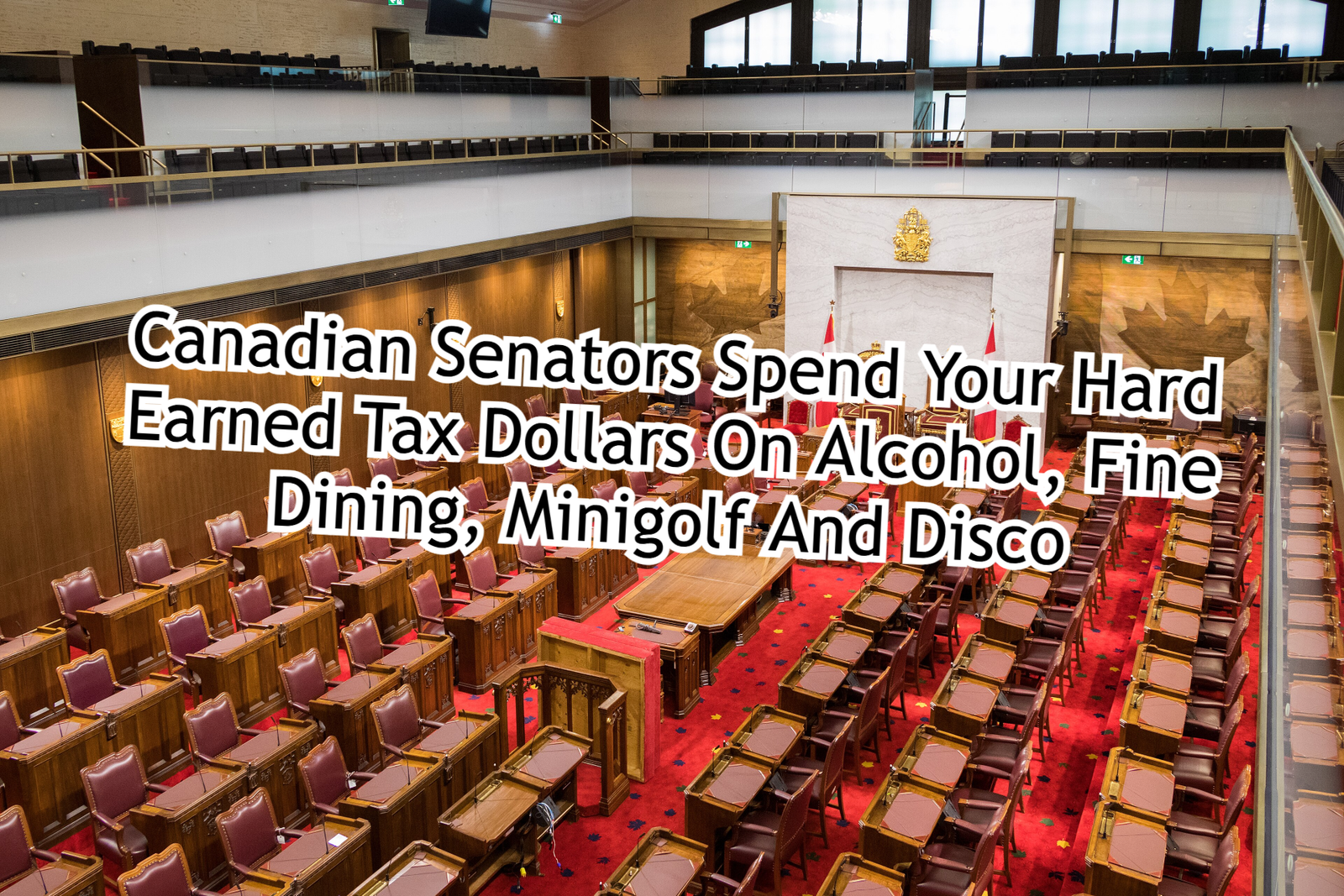
Senate Hospitality Spending Scrutinized Over Alcohol, Dining and Entertainment Costs
Newly released expense records reveal that members of Canada’s Senate have billed taxpayers for a wide range of hospitality costs, including alcohol purchases, upscale dining, entertainment venues and recreational outings such as mini‑golf and escape rooms.
The Canadian Taxpayers Federation, which reviewed the disclosures, says the spending raises concerns about how publicly funded hospitality budgets are being used within the Senate.
According to the records, senators charged taxpayers $116,100 in hospitality expenses last year, a 67 per cent increase from the previous year.
Alcohol, Dining and Event Costs
The disclosures show thousands of dollars spent on alcohol from provincial liquor stores, wineries and beer retailers. Since 2019, senators have billed roughly $27,000 for alcohol through hospitality budgets.
Dining expenses were also significant. One restaurant alone accounted for more than $20,000 in charges across multiple visits.
Other hospitality spending included event‑related costs such as hiring bartenders, hosting receptions at a disco venue and paying for recreational activities. Notable examples include:
$790 to hire bartenders for a single event
$2,100 for three receptions at a disco venue
$644 at a mini‑golf facility for a staff session
$210 for an escape room activity
Critics argue these expenses raise questions about whether such costs are appropriate uses of public funds.
Individual Spending Patterns
The records also highlight several senators with higher‑than‑average hospitality spending.
Yvonne Boyer was among the most frequent users of hospitality budgets, billing nearly $15,000 since 2019, including several thousand dollars spent on gifts.
Other senators with notable hospitality expenses included Marilou McPhedran, David Wells, Mohamed‑Iqbal Ravalia and Bernadette Clement, each recording spending tied to meetings and events.
Renewed Debate Over Senate Accountability
The findings have reignited debate over oversight and accountability in the Senate. Critics argue hospitality budgets should be tightly controlled and reserved strictly for necessary parliamentary work. Supporters counter that such expenses can be legitimate when hosting meetings, receptions or discussions tied to legislative duties.
The controversy comes as senators are set to receive another automatic salary increase. The current base salary of about $184,800 is expected to rise to roughly $193,600 after the next adjustment.
With public scrutiny of government spending intensifying across Canada, these latest disclosures are likely to fuel continued debate about transparency and the responsible use of taxpayer dollars within the Senate.