North Island Highway Closures November 20

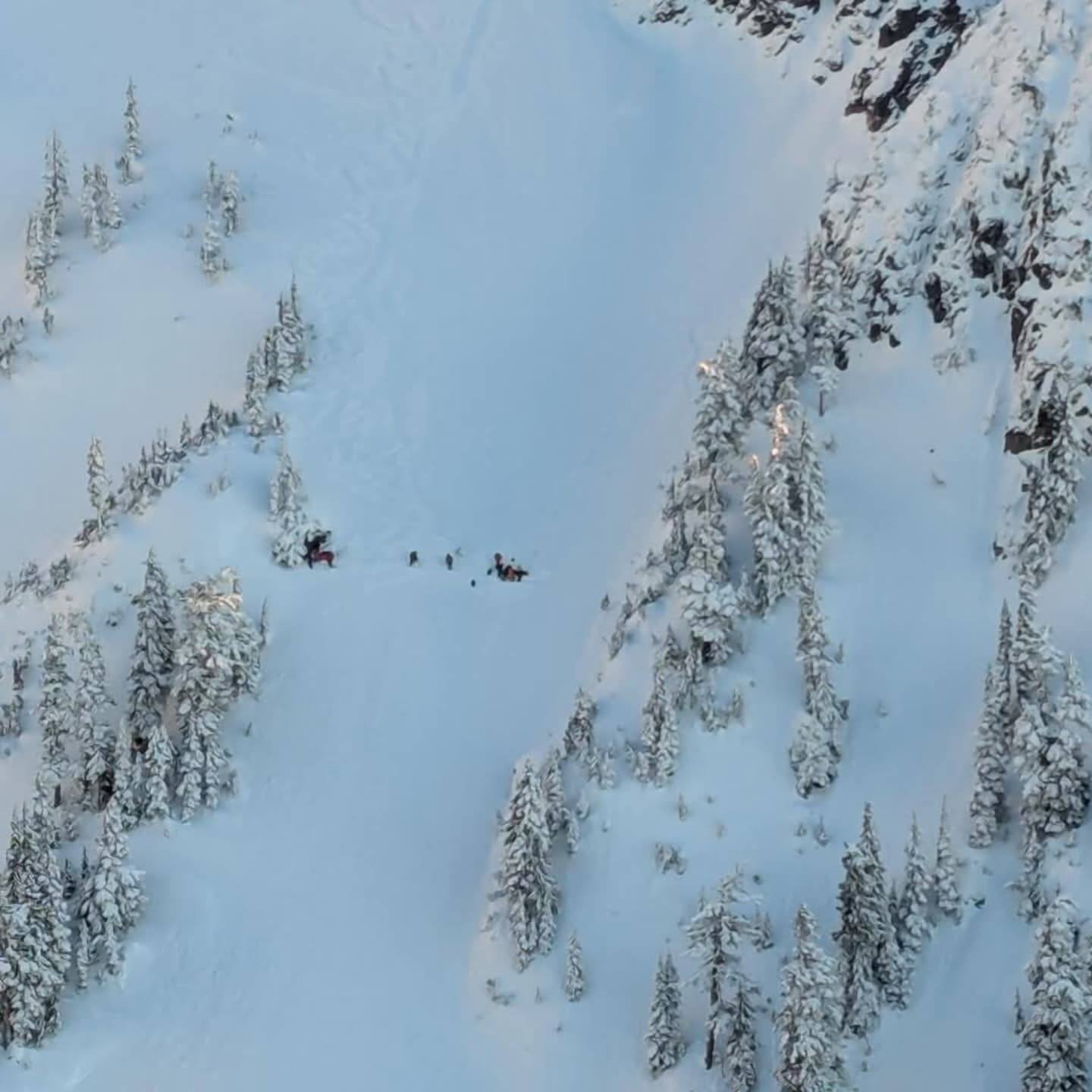
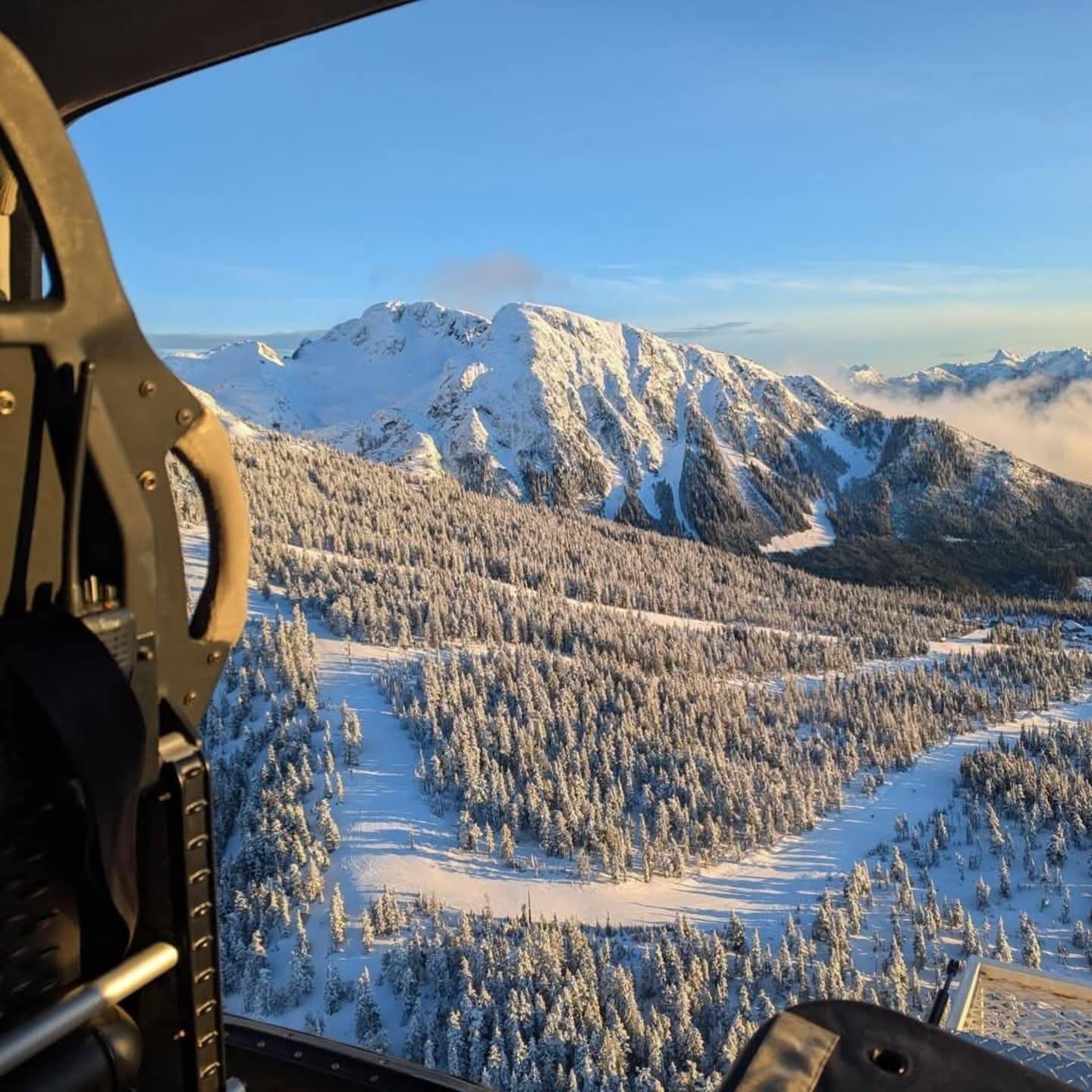
North Vancouver Island has significant highway closures due to storm damage. Highways impacted include:

  • Coal Harbour Road between Port Hardy and Coal Harbour
  • Head Bay Road between Gold River and Thasis
  • Highway 19 between Sayward and Port McNeill
  • Highway 30 between Highway 19 and Port Alice
  • Zeballos Forest Service Road


Visit DRIVEBC.CA for updates.

Zeballos Forest Service Road Closure November 20

Safe Driving Tips For Winter Weather

Winter driving can be both beautiful and treacherous. Snow-covered landscapes might look like a scene from a postcard, but those slick roads and unpredictable weather conditions can quickly turn a serene drive into a hazardous journey. Here are some essential tips to help keep you safe on the road during winter weather.

1. Prepare Your Vehicle

Before venturing out, ensure your vehicle is winter-ready:

  • Tires: Equip your vehicle with winter tires. These provide better traction on snow and ice compared to all-season tires.
  • Battery: Cold weather can affect your car’s battery performance. Make sure your battery is in good condition and fully charged.
  • Fluids: Check antifreeze levels, and use winter-grade oil. Keep your gas tank at least half full to avoid gas line freeze-up.
  • Wipers and Washer Fluid: Install winter wiper blades and use a winter formula windshield washer fluid to help keep your windshield clear.

2. Plan Your Route

  • Check the Weather: Stay updated on the latest weather conditions before you leave.
  • Know Your Route: Familiarize yourself with the roads and have alternative routes in mind in case conditions worsen or roads are closed.
  • Leave Early: Give yourself extra time to reach your destination to avoid feeling rushed in treacherous conditions.

3. Adjust Your Driving

  • Reduce Speed: Driving slower than the speed limit is crucial when roads are icy or covered in snow. Speed limits are set for ideal conditions.
  • Increase Following Distance: Increase the distance between you and the car ahead to allow more time to stop.
  • Use Gentle Movements: Accelerate, brake, and steer slowly and smoothly to avoid skidding.

4. Handle Skids Correctly

  • Front-Wheel Skid: Remove your foot from the gas. Shift to neutral but don’t try to steer immediately. When the wheels skid sideways, you’ll regain traction, then steer in the direction you want to go.
  • Rear-Wheel Skid: Remove your foot from the gas and steer in the direction you want the front of the car to go. Avoid using brakes.

5. Be Prepared for Emergencies

  • Keep an Emergency Kit: Include items such as a blanket, food, water, flashlight, batteries, first aid kit, and a small shovel.
  • Charge Your Phone: Ensure your phone is fully charged before you start your trip.
  • Stay with Your Vehicle: If you get stuck, it’s often safest to stay in your car and wait for help.

6. Stay Calm and Focused

  • Avoid Distractions: Keep your attention on the road and avoid using your phone or other distractions.
  • Take Breaks: Long drives can be exhausting, especially in difficult conditions. Take regular breaks to stay alert.

Winter driving demands extra caution and preparedness. By taking these steps, you can help ensure that you and your passengers arrive safely at your destination. Remember, it’s always better to arrive late than not at all. Stay safe out there!

Sunken Fuel Truck Near Sayward Recovered Successfully

A fuel truck carrying 17,000 litres of diesel that sank off the east coast of Vancouver Island has been successfully recovered.

The B.C. Environment Ministry reported that the truck was hoisted out of the water on Friday evening with minimal fuel release during the lift.

The truck had plunged 27 to 36 metres deep into Chancellor Channel, a rockfish conservation area by Fisheries and Oceans Canada, after rolling off a barge during a windstorm on April 20.

The barge, operated by Marine Link Transportation, was en route from Menzies Bay to Hardwicke Island to deliver fuel to a logging operator when the incident occurred. The operator promptly reported the incident to the Canadian Coast Guard.

Responders from the Coast Guard, a marine spill response company, and First Nations were on site the next morning. Using an underwater, remote-operated vehicle, they detected fuel leaking from one of the truck’s five tanks.

In a joint statement last week, the ministry, Coast Guard, Marine Link, and the Wei Wai Kum, We Wai Kai, and K’ómoks First Nations described the leaks as “intermittent and minimal.” Divers worked to patch the leaks while surveying the truck’s orientation.

Following the truck’s removal, containment crews remained on-site overnight to monitor the situation. Crews will continue to inspect the shoreline for any signs of environmental damage.

Paramedic From Sayward BC Tackles 26km Walk To Support Wounded Warriors

Aggie Pringle celebrated her 54th birthday on Wednesday by embarking on a challenging 26-kilometre walk in the pouring rain.

“One word – damp. Very, very damp. Yeah, it’s been raining the whole time,”  said Aggie.

A dedicated paramedic from Sayward, Aggie chose part of the scenic route from Ucluelet to Tofino for her walk, dedicating a kilometre for every $100 she raised. In total, she raised $2,600 for mental health programs offered by Wounded Warrior Run BC.

“Well, I’m raising money for Wounded Warrior Canada and the Wounded Warrior Run BC specifically. I just wanted to help veterans and other uniformed professionals like myself, a paramedic, get the programming they need. All the programming is funded by Wounded Warrior,” she said.

Aggie has been volunteering as paramedic support for the run since 2018, often trailing runners in an ambulance between Port Hardy and Victoria.

Now, she’s contributing financially as well.

“Two years ago, I could never have imagined doing anything like this. But learning from those super-fit runners, I realized that physical health is just as important as mental health. So I’ve really started to work on the physical part now that my mental health is more squared away,” Aggie shared.

With 33 years as a paramedic, serving communities from Zeballos to Vancouver, Aggie has faced her share of PTSD. She was among the responders at the multi-fatal train derailment in Woss in 2017.

“Thankfully, I’ve not had many ‘Woss’s’, but there are a lot of tragedies I’ve seen throughout my career. The programs I’ve used have really helped me in my healing,” she added.

Aggie’s partner, Vern Coward, supported her during the walk.

“There are people out there who need help, and what she’s doing today is really going to help those folks,” he said. “I couldn’t be more proud.”

Aggie hopes to make this an annual fundraiser, aiming to walk the full 42 kilometres next year if she raises $4,200.

Meet The Pacific Fin Whale

The Fin Whale, a large baleen cetacean measuring up to 25 meters in length, belongs to the family Balaenopteridae. Characterized by a hydrodynamically streamlined body and swift swimming capabilities, it is second in size only to the Blue Whale. Most members of this family look similar, making it challenging to distinguish them at sea. The Fin Whale’s distinctive feature is the asymmetrical pigmentation on its lower jaw—dark on the left and light on the right. This pattern extends to part of the baleen plates. In the northern and southern hemispheres, Fin Whales are considered separate subspecies: B. p. physalus in the north and B. p. quoyi in the south. Genetic evidence supports the distinction between North Atlantic and North Pacific Fin Whales as different subspecies, yet new names are pending. In Canada, COSEWIC regards these as separate designatable units. Historically, Fin Whales were heavily targeted during 20th-century whaling, depleting populations in the Canadian Atlantic and Pacific. Nowadays, they are a highlight for whale watching in nearshore Canadian Atlantic waters.

Fin Whales are found almost globally in all major oceans, with highest densities in cool temperate and subpolar waters, and are mostly absent near the equator. They inhabit both oceanic and coastal areas, migrating to high latitudes in summer for feeding and to lower latitudes in winter for breeding. However, they can be found in Canadian waters year-round.

In Canadian waters, Fin Whale habitats are marked by oceanographic features that boost prey production and concentration. In the Atlantic, their presence is often linked to productive oceanic fronts with high densities of euphausiid crustaceans. They inhabit various bathymetric features, from continental shelves to deep canyons in the Gulf of St. Lawrence and topographically varied areas in the Bay of Fundy. In the Pacific, they aggregate along the continental slope, especially where canyons and troughs concentrate euphausiids. They also frequent deep channels between islands along British Columbia’s northern coast. Their presence off both coasts during winter suggests courtship, mating, and possibly calving occur in Canadian waters.

Fin Whales reach sexual maturity at 6 to 8 years and physical maturity at around 25 years, with a lifespan up to 100 years. Their generation time is approximately 25 years. Conception and calving, following an 11 to 12-month gestation, primarily occur in winter. Data from British Columbia indicate that 75% of births occur between mid-October and mid-February, peaking in December. Newborns are about 6 meters long and are weaned at 6 to 7 months. The average interval between births is about 2.24 years, with adult female pregnancy rates estimated at 38 to 50%.

Despite the end of large-scale whaling over 50 years ago, around 20 Fin Whales are hunted annually for subsistence in Greenland, and Iceland hunted 146 in 2018. Increasing ocean noise from oil and gas exploration, shipping, wind farms, and military exercises poses threats, causing displacement, disturbance, injury, and communication signal masking. Vessel strikes are a significant mortality source, particularly in busy shipping areas on both coasts. Fatalities from vessel strikes are likely underreported, as many struck whales sink undetected. Entanglement in fishing gear is another mortality cause, particularly in the Atlantic. Other threats include habitat suitability shifts and toxic pollutants.

The Species at Risk Act (SARA) provides measures for protecting certain listed species, including their critical habitats. Conservation responsibility is shared across Canada, with all Canadians playing a role in wildlife protection. For more information on SARA and provincial or territorial protection measures, consult relevant government websites.

See original post here.

Essential Liquids Permitted On Airplanes In Quantities Greater Than 100mL

What do breast milk, liquid medication, and distilled water (for CPAP devices) have in common?

They are all considered essential liquids and can be carried through security screening in quantities exceeding the 100ml limit.

These items are exempt from the 100ml liquid limit and do not need to be placed in your 1L plastic bag. However, you must declare these items to the screening officer at the checkpoint and remove them from your carry-on bag for inspection.

Learn more about essential liquids here.