Kelsey Bay and Johnstone Strait Pictures September 6th 2026
Kelsey Bay and the Johnstone Strait was a busy hub of commerce and pleasure on this sunny Sunday, September 6th, 2026.
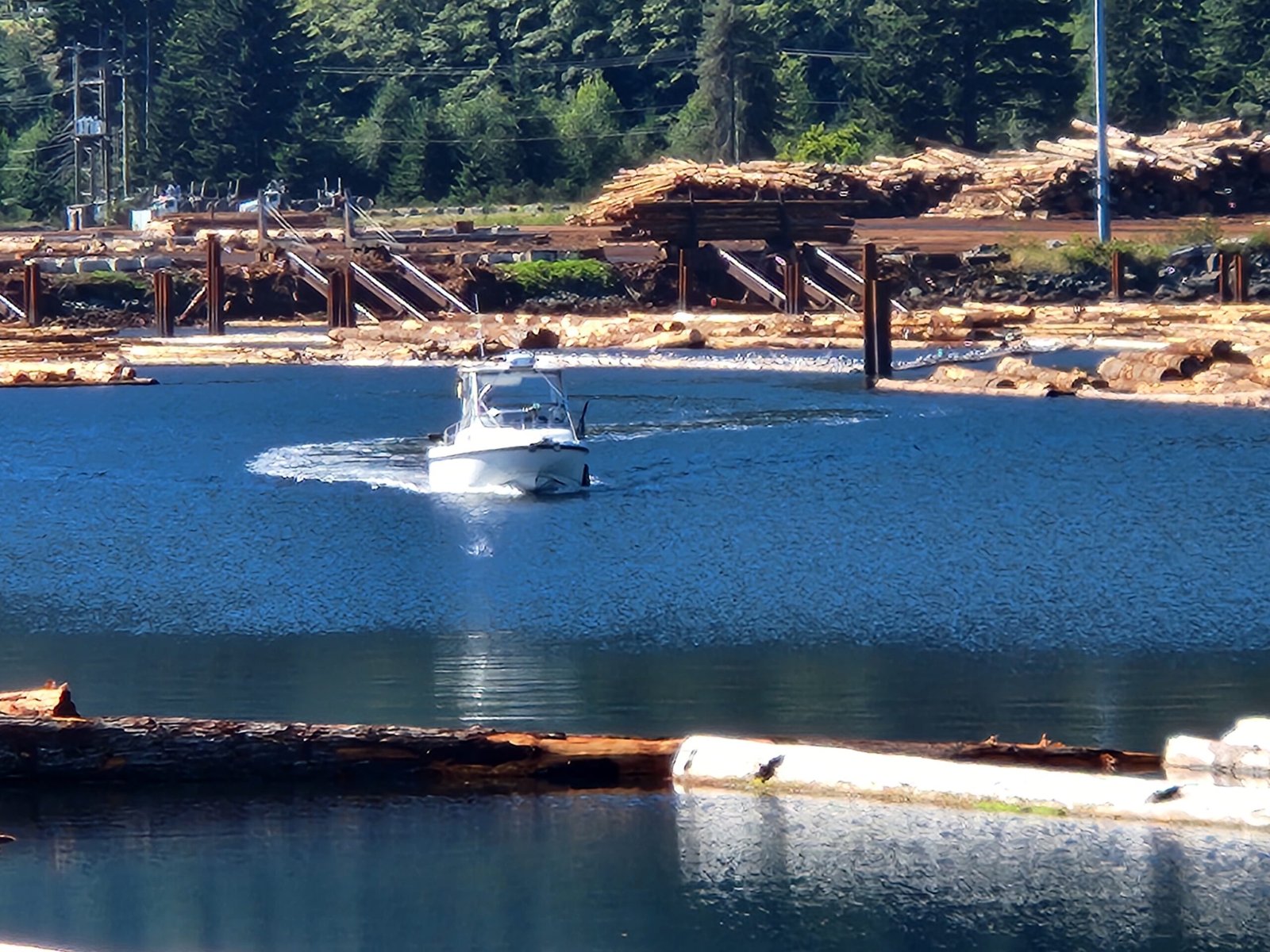
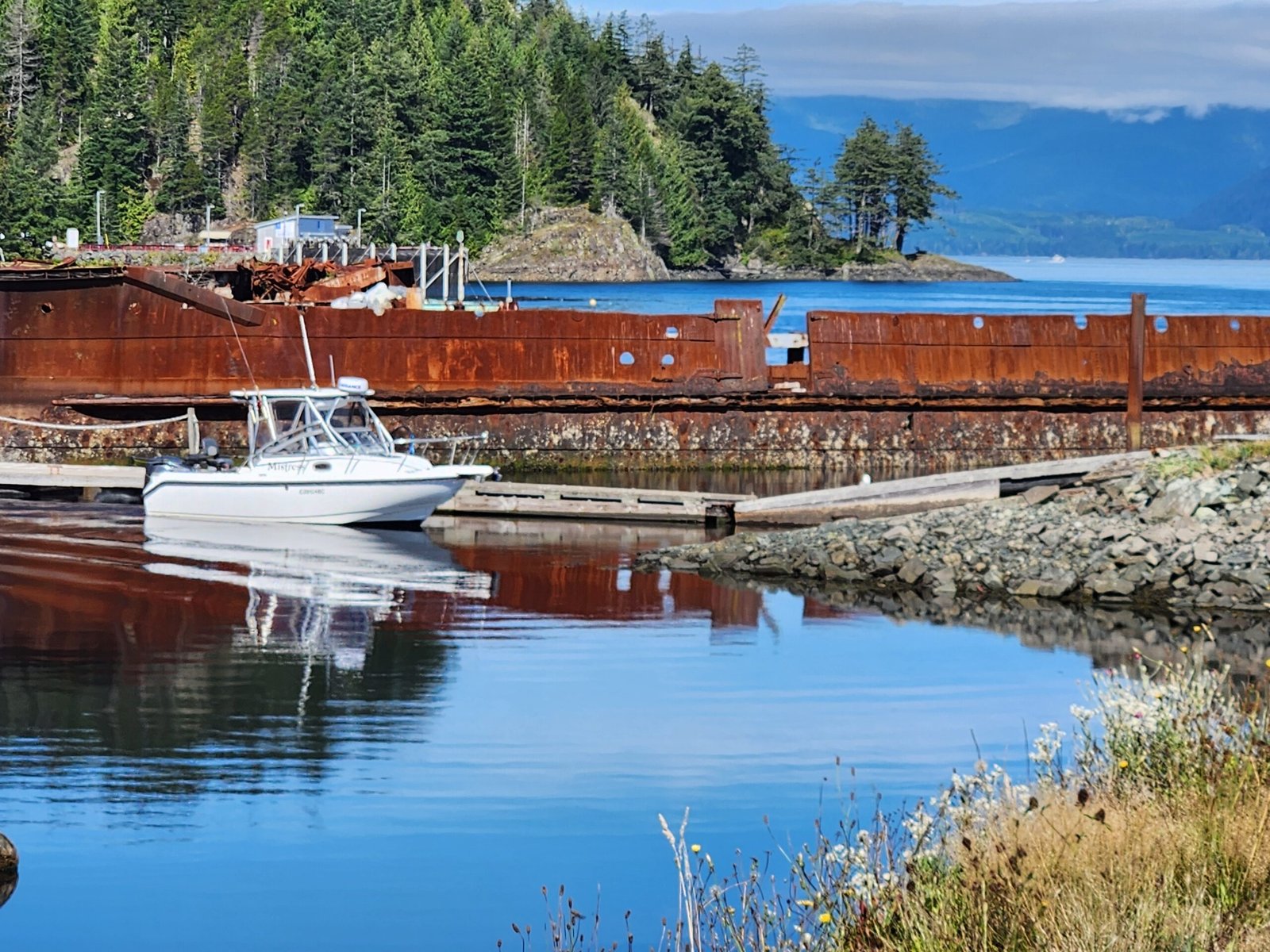
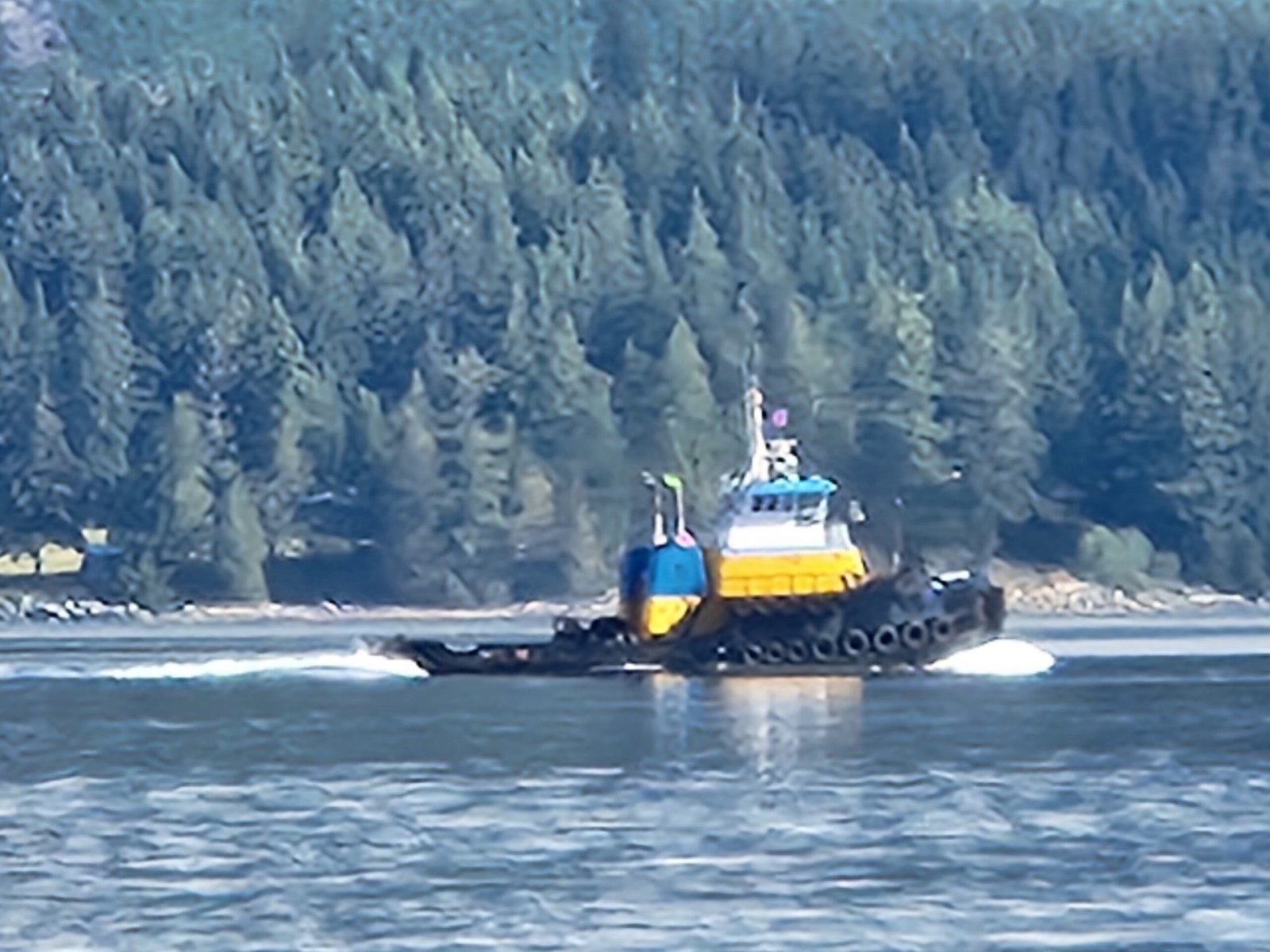
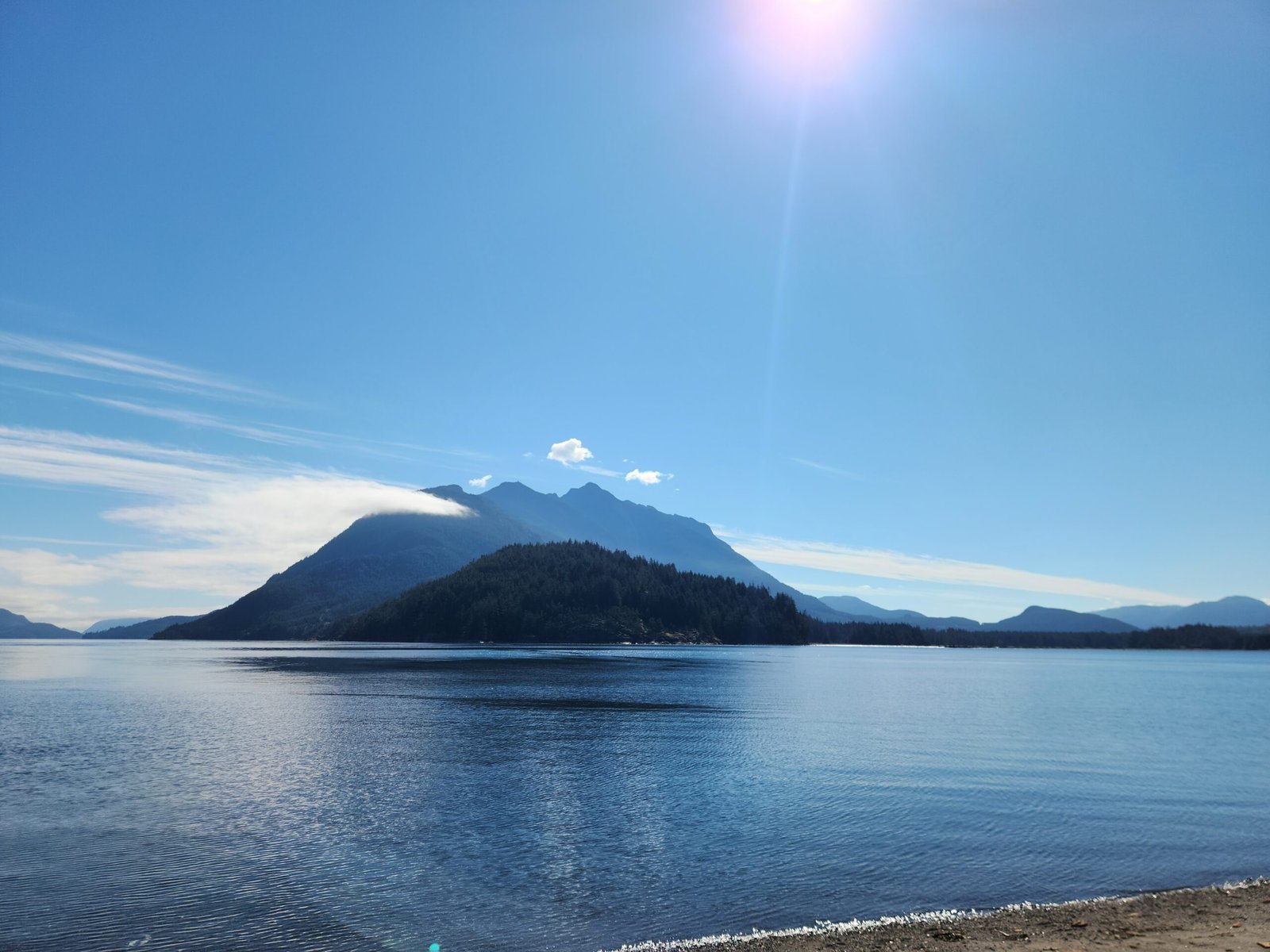
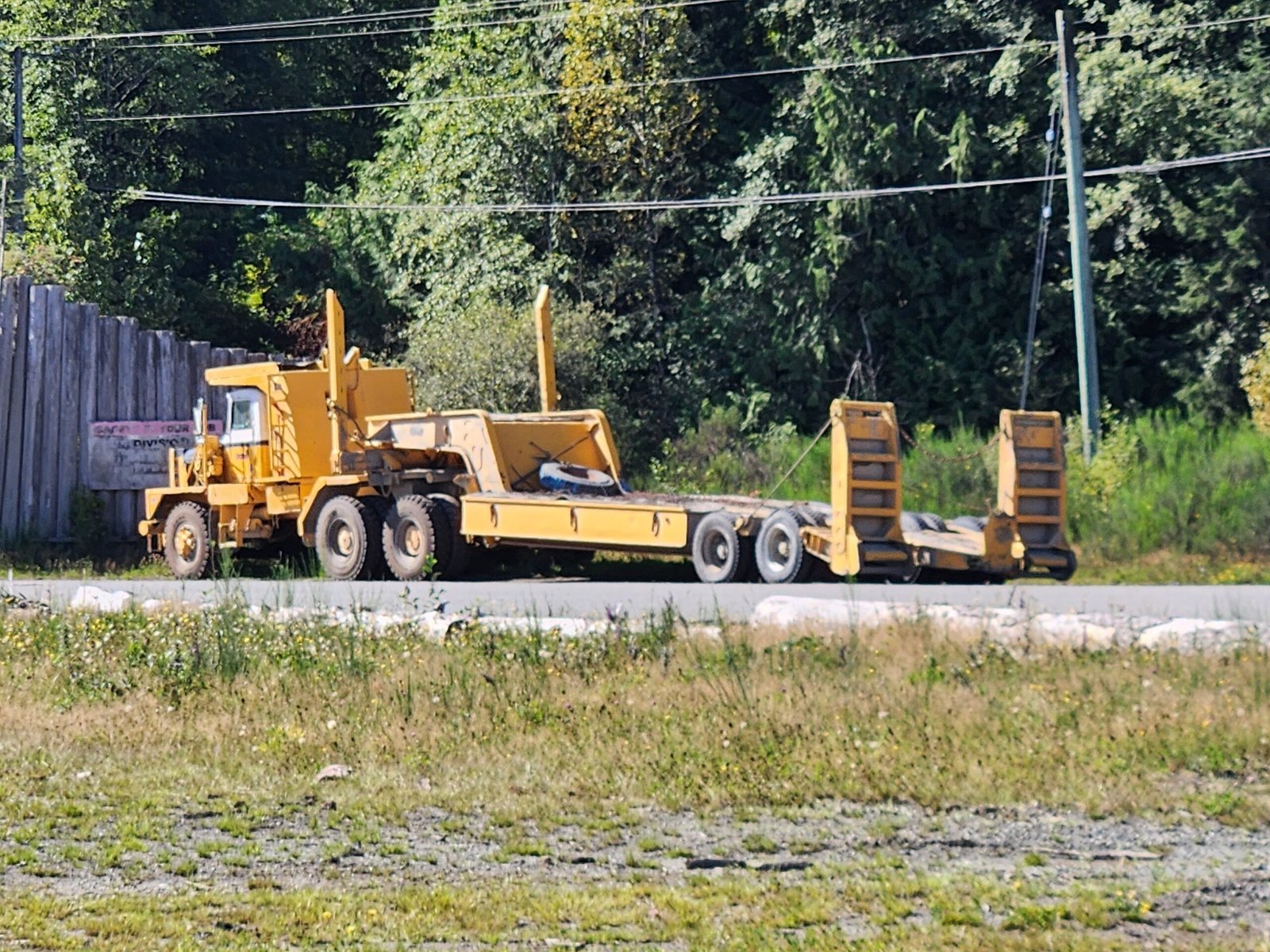
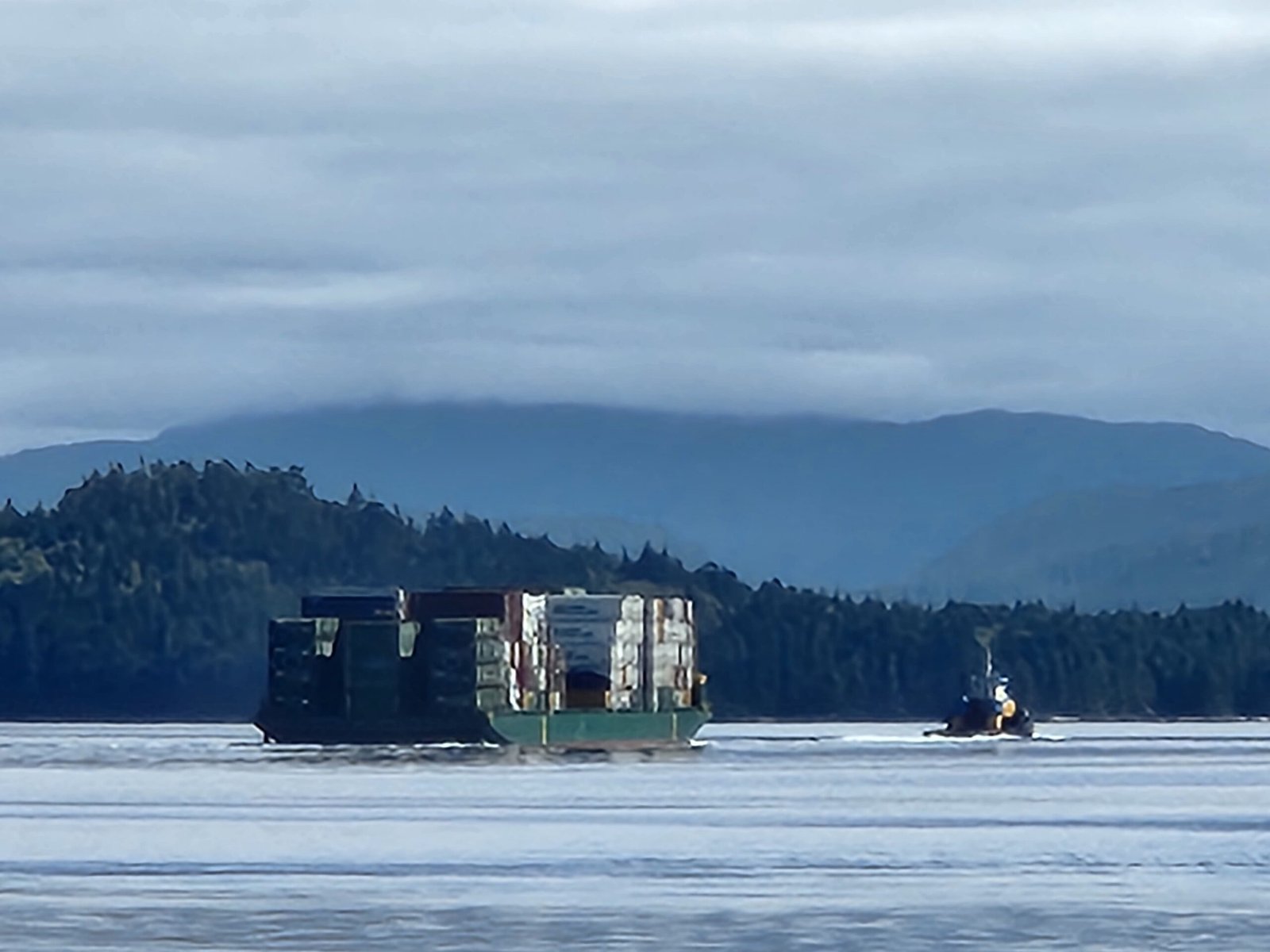
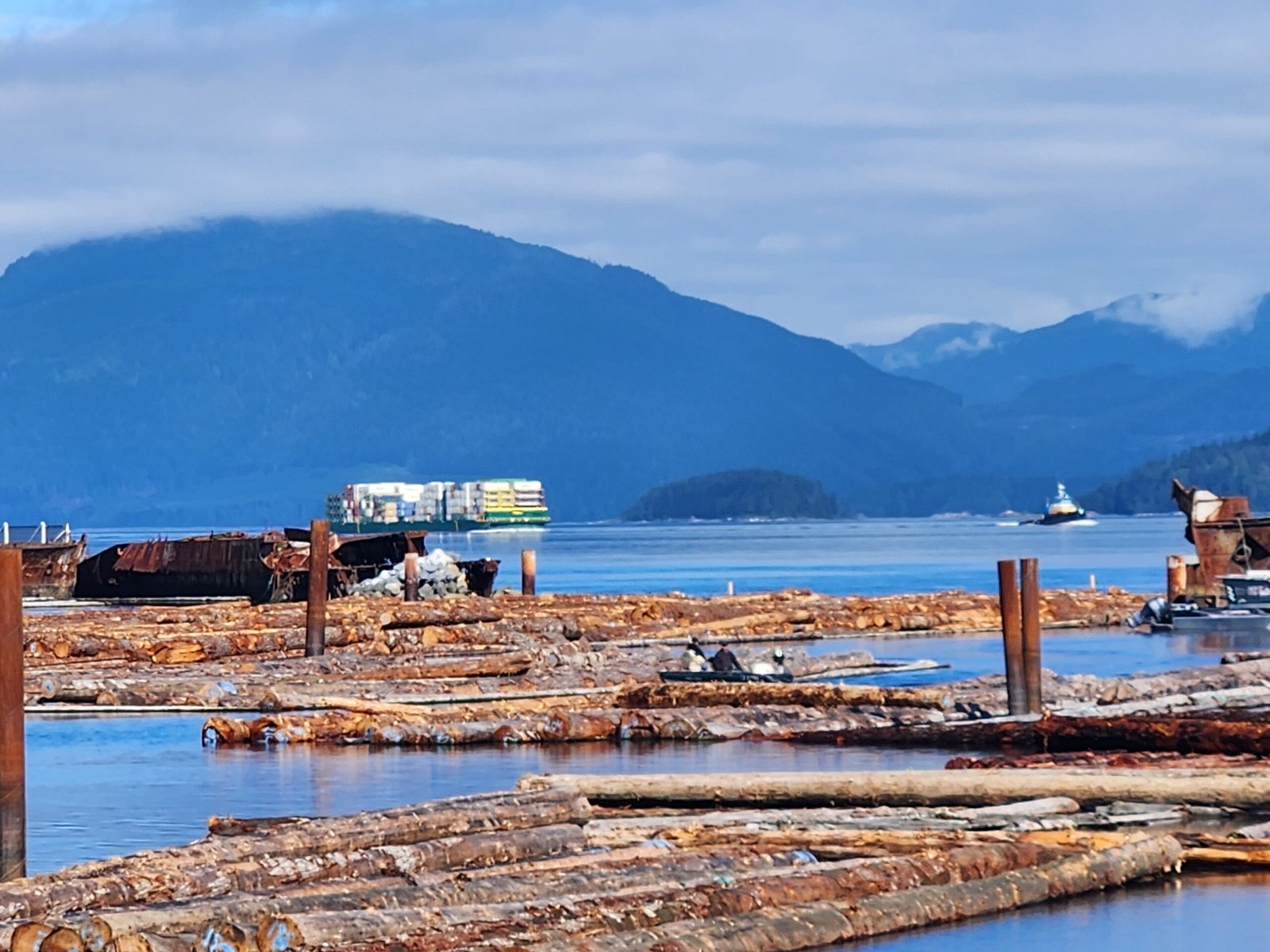

Kelsey Bay and the Johnstone Strait was a busy hub of commerce and pleasure on this sunny Sunday, September 6th, 2026.
Nestled along the rugged shoreline of Johnstone Strait, the historic Kelsey Bay Beach Logging Camp once served as one of the busiest industrial hubs in the Sayward Valley during Vancouver Island’s great logging era.
The photograph above, believed to date to approximately 1937, captures Kelsey Bay during a time when coastal logging operations dominated the economy of northern Vancouver Island. Before highways connected the region to the rest of the island, communities like Kelsey Bay existed primarily because of the forest industry.
At its peak, Kelsey Bay was much more than a small waterfront settlement. It was a thriving company town built around logging, rail transport, booming grounds, and marine shipping operations. Timber harvested deep within the Sayward Valley was transported by logging railway from inland camps to the waterfront at Kelsey Bay, where logs were sorted, stored, and loaded for shipment to coastal mills and export markets.
The image reveals several defining features of the early beach logging camp. Floating log booms crowd the sheltered water in the foreground while a wooden wharf and industrial structures extend into the bay. Small bunkhouses and work buildings line the shoreline beneath the steep forested mountains that tower behind the settlement.
Life at the beach camp revolved around hard labour and strict schedules. Workers maintained rail equipment, operated steam donkeys, sorted logs in the booming grounds, repaired machinery, and loaded timber onto ships. The camp itself was largely self-contained, with bunkhouses, kitchens, maintenance buildings, and offices supporting hundreds of workers connected to the operation.
The logging railroad was the lifeline of the operation. Trains hauled massive logs from remote inland camps around Alice Lake and the upper Sayward Valley down to the coast. The sight and sound of loaded logging trains descending toward Kelsey Bay became a familiar part of daily life for decades.
Over time, advancements in trucking, road building, and mechanized logging gradually replaced the old railway and beach camp systems. By the latter half of the 20th century, many of the original camp structures disappeared as the industry evolved and operations modernized.
Hidden deep within the forests of the Sayward Valley, the historic Alice Lake Logging Camp 2 once stood as a bustling hub of coastal forestry life during the height of Vancouver Island’s railroad logging era.
In the 1940s, the forests surrounding Alice Lake were alive with the sounds of steam donkeys, locomotives, axes, and saws as logging crews harvested massive stands of old-growth timber throughout the region. The camps established in the valley were more than just temporary worksites — they were isolated communities where hundreds of workers lived, ate, and spent months at a time far from town.
Camp 2 was one of several numbered logging camps connected to the broader Kelsey Bay and Sayward Valley forestry operations. While Kelsey Bay served as the coastal shipping and industrial centre, inland camps like Camp 2 were built closer to active logging areas deep in the forest. Supplies, equipment, and workers often arrived by rail along rugged logging railways that stretched throughout the valley. Railroad logging had become a defining part of the region’s economy by the early 20th century.
The surviving photographs of Camp 2 offer a fascinating glimpse into daily life during this era. Long rows of bunkhouses lined the camp, housing loggers who worked grueling shifts in all weather conditions. Nearby cookhouses operated around the clock, feeding hungry crews with enormous meals designed to sustain men performing some of the toughest labour in British Columbia.
Life in the camps was physically demanding and often dangerous. Crews worked with primitive equipment by modern standards, relying heavily on steam-powered machinery, cable systems, and spar trees to move giant logs across steep terrain. Injuries were common, and isolation added another layer of hardship. Yet despite the difficult conditions, strong communities developed within the camps, with workers forming lifelong friendships and shared traditions.
The forests around Alice Lake were part of a much larger logging network that shaped the growth of Sayward and Kelsey Bay for decades. Historical records indicate that major logging operations expanded significantly across northern Vancouver Island during the 1940s, including activities connected to Alice Lake Logging and other forestry companies operating throughout the region.
Today, little remains of Camp 2 itself. The bunkhouses are long gone, and much of the valley has regenerated into second-growth forest. However, traces of the old railroad grades, logging roads, and industrial sites can still be found hidden throughout the backcountry around Sayward.
There’s something quietly powerful about old bulletin clippings—those small, grainy windows into everyday lives that rarely make it into history books. This one, pulled from an old Beavertails Bulletin, captures exactly that kind of moment: a man, a place, and a way of life mid-transition.
The photo shows Vern Skogan, seated outdoors, wearing a cap and dark glasses, framed by what looks like a rugged, working landscape. The image itself feels weathered, almost as if it absorbed the same elements Vern likely did—wind, dust, long days. It’s not posed in any modern sense. It’s practical. Functional. Honest.
The caption does most of the storytelling.
Vern is identified as a “Charge Hand at the dryland sort,” which already situates him firmly within the logging industry. This isn’t just a job—it’s part of a generational thread. His father, who lived to 99, was among the original settlers in the Sawmill Valley and worked as a logger too. That detail alone stretches the story back decades, hinting at a time when the valley was being carved—both literally and figuratively—out of wilderness.
But what stands out most is not the past—it’s the change.
Vern reflects on how the townsite has shifted in recent years. Farming, once a cornerstone of the valley, has largely disappeared. Logging has taken over as the primary livelihood, supplemented slightly by commercial fishing. It’s a familiar story in many rural regions: industries evolve, economies pivot, and communities reshape themselves around what remains viable.
Yet Vern doesn’t sound bitter. There’s no romanticizing of the “good old days,” at least not in the way we might expect when looking back from the present. In fact, he says something strikingly pragmatic: “We live a lot better these days than we used to do years ago, despite people’s memories.”
That line cuts through nostalgia.
It challenges the idea that the past was inherently better. Vern acknowledges progress—material improvement, perhaps stability—even as he recognizes that people tend to remember things differently. Memory, after all, edits out the hardship and keeps the sentiment.
And then comes the final line, simple but firm: “You can’t return to the past.”
There’s no drama in it. No regret. Just acceptance.
This small clipping becomes more than a record of one man’s life. It’s a snapshot of a community in transition and a reminder of how people adapt. Vern stands at the intersection of generations—his father’s pioneering era behind him, his son working alongside him, and a changing economy unfolding in real time.
In a way, the most modern thing about this decades-old clipping is its message. We still wrestle with the same tension today: holding onto what was, while navigating what is.
And like Vern, whether we admit it or not, we’re all living somewhere in between.
In the rugged backcountry, where rivers cut through dense forest and the terrain resists easy passage, necessity has always driven ingenuity. This striking photograph captures one such moment—an early-stage logging bridge under construction at the Adam River crossing, where raw materials and human effort come together in a careful balance of practicality and risk.
At first glance, the scene looks deceptively simple: a series of long, stripped logs laid side by side across a narrow span. But a closer look reveals the complexity behind this structure. Each log has been placed with intention, aligned to distribute weight evenly and anchored with crosspieces and cables. Beneath them, a foundation of stacked timber supports the approach, elevating the roadway above uneven ground and guiding loads safely onto the bridge.
This type of bridge wasn’t built for elegance—it was built for survival. Logging operations depended on reliable crossings to move heavy timber out of remote areas. Steel and concrete were often unavailable or too costly to transport, so crews relied on what the forest provided. Trees became beams, braces, and decking, shaped with hand tools and muscle power. Every decision—spacing, anchoring, reinforcement—had immediate consequences for safety.
Notice the cables and rigging suspended near the center. These likely played a role in positioning the logs, acting as both lifting aids and stabilizers during construction. The workers, though difficult to make out clearly, would have operated in close quarters with heavy materials, often above rushing water. It was dangerous, exacting work that demanded both coordination and trust.
The surrounding environment tells its own story. Fallen branches, uneven banks, and dense vegetation frame the crossing, emphasizing how isolated these projects often were. There were no roads leading in—this bridge was the road. Before its completion, everything had to be carried or dragged into place.
What stands out most is the resourcefulness. Without modern machinery, crews engineered durable solutions using simple principles: load distribution, redundancy, and friction. The logs act like parallel beams, spreading the weight of wagons or early trucks. Cross-bracing prevents shifting, while the stacked base absorbs impact and stabilizes the structure against erosion.
Bridges like this were temporary by design, yet many lasted far longer than expected. They bore the weight of countless loads, endured seasonal floods, and stood as quiet testaments to the craftsmanship of the people who built them.
Today, images like this remind us that infrastructure doesn’t always begin with blueprints and cranes. Sometimes, it begins with an axe, a rope, and a clear understanding of how to make the land work with you—not against you.
The Adam River crossing is more than a bridge—it’s a snapshot of resilience, adaptation, and the relentless push to connect even the most remote corners of the landscape.